

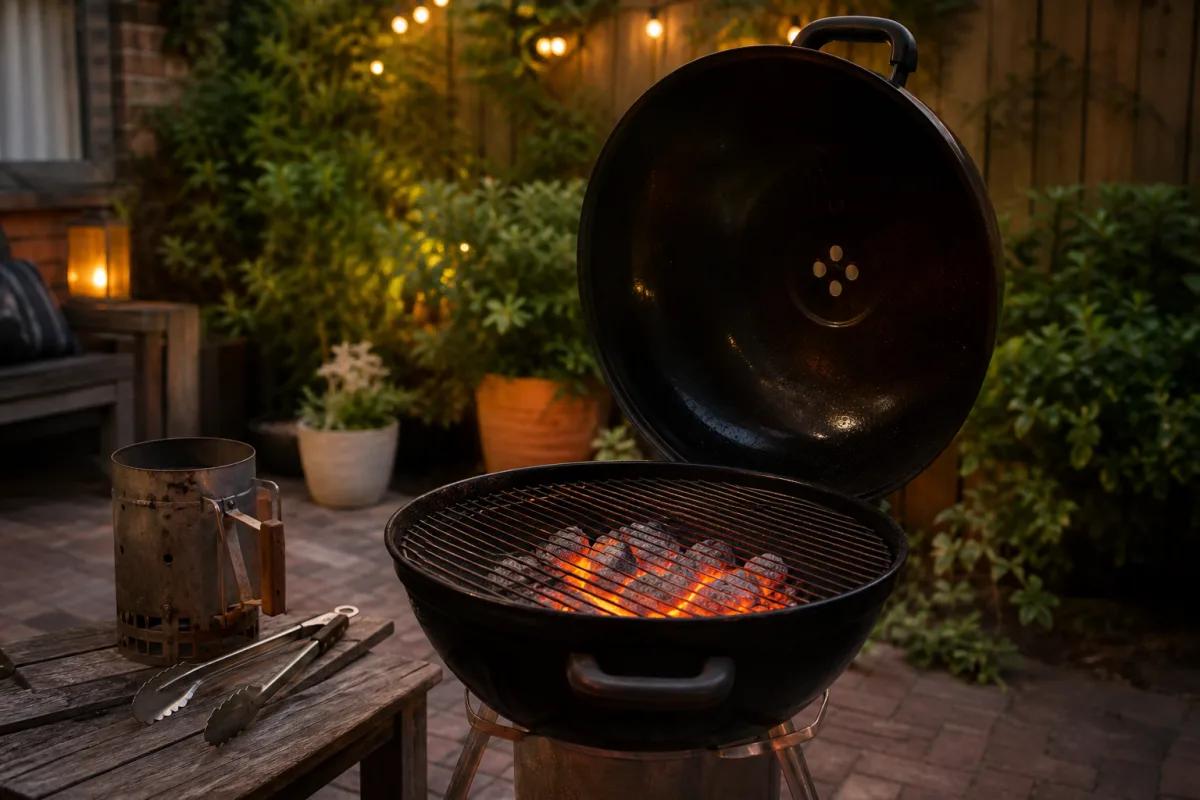
$$$ · picanha, steaks, skewers, and general charcoal grilling
Get a real charcoal crust at home
High-heat grilling, simple indirect cooks, steak, picanha, and burgers.
Weber Original Kettle Premium 22-Inch Charcoal Grill
Both contain strip and tenderloin separated by a T-bone, but the porterhouse is cut further back and has a substantially larger tenderloin portion — the USDA requires at least 1.25 inches of tenderloin for a porterhouse.
These are near equivalents in the way butchers and cooks use them. If you can source either one, you're very close to the same result.
| Country | Porterhouse | T-bone steak |
|---|---|---|
| 🇺🇸United States | Porterhouse | T-bone steak |
| 🇬🇧United Kingdom | Porterhouse | T-bone steak |
| 🇫🇷France | Porterhouse | T-bone |
| 🇪🇸Spain | — | T-bone |
| 🇦🇷Argentina | Porterhouse | T-bone |
| 🇲🇽Mexico | Porterhouse | T-bone |
| 🇧🇷Brazil | Porterhouse | T-bone |
| 🇮🇹Italy | Porterhouse | Bistecca con l'osso |
| 🇩🇪Germany | Porterhouse-Steak | T-Bone-Steak |
$$$ · picanha, steaks, skewers, and general charcoal grilling
High-heat grilling, simple indirect cooks, steak, picanha, and burgers.
Weber Original Kettle Premium 22-Inch Charcoal Grill
Five questions: name the cut, place it on the animal, and say which country calls it that. A new board every day — no sign-up.
Play today’s puzzle