The pig is one of the most thoroughly used animals in world cuisine — from nose to tail, almost every part finds a place in some culinary tradition. The same cut can be cured into Spanish jamón, Italian prosciutto, or American country ham. Click any region on the diagram to jump to that section.
Select a primal to see its cuts
Could you place a cut on this diagram?
That's one of the five questions in today's puzzle.
Try the quiz →Head
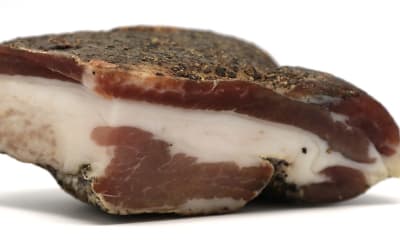
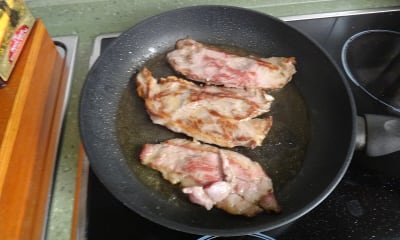
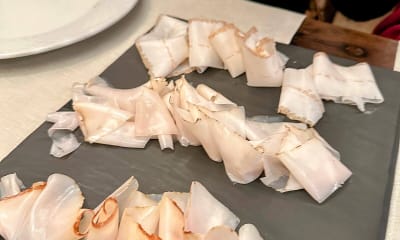
3 cutsCheeks, jowl, and snout — some of the most flavourful parts of the pig. Source of guanciale, coppa, and head cheese across European charcuterie traditions.

Blade Shoulder
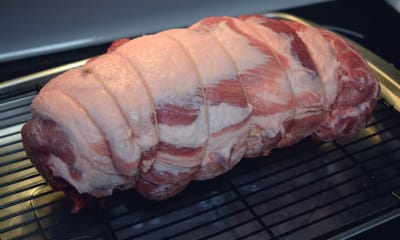
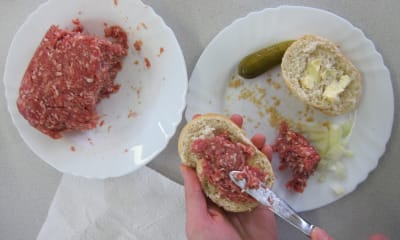
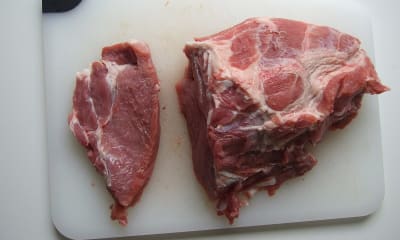
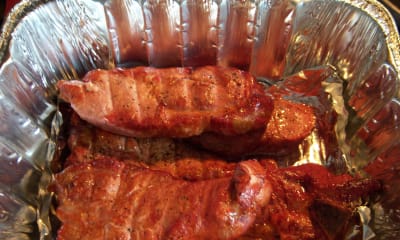
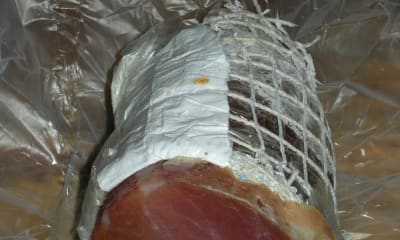
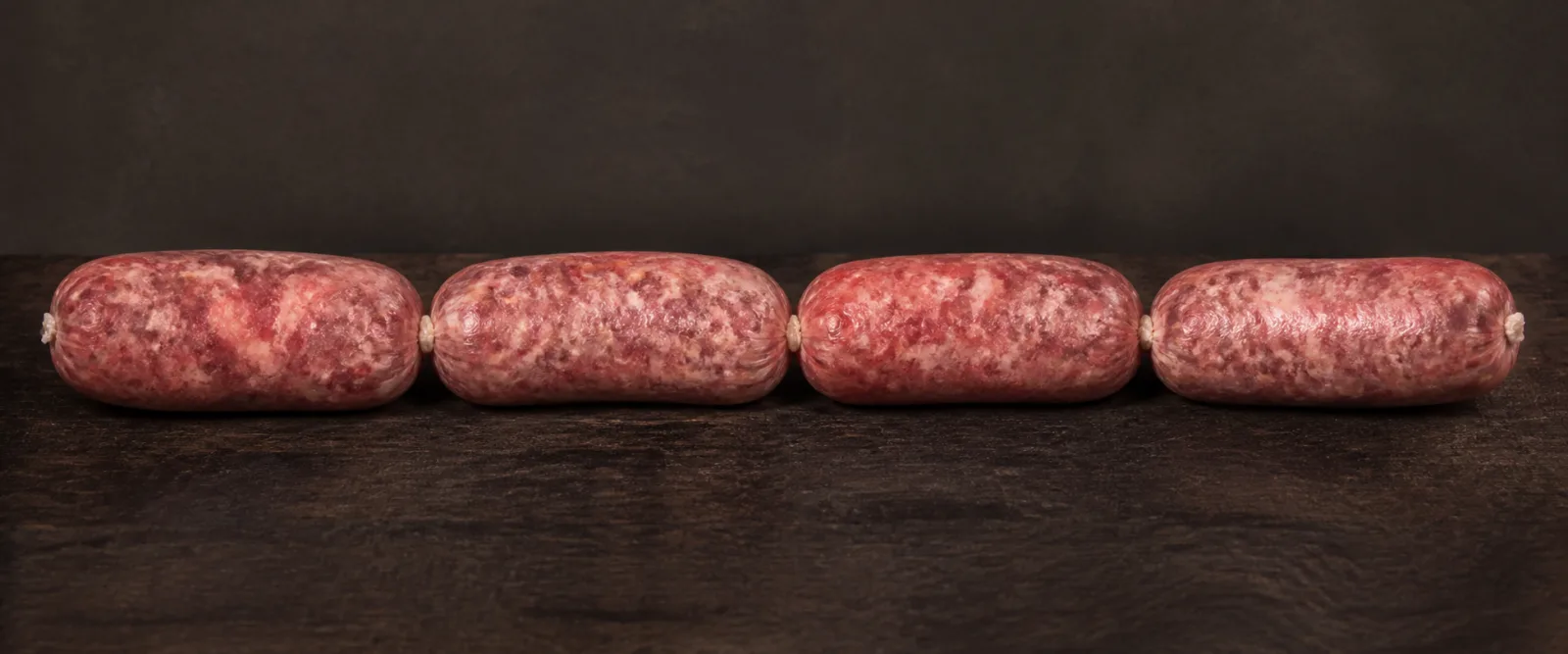
7 cutsThe upper shoulder, well-marbled from constant use. The go-to cut for pulled pork, slow roasts, and braised dishes worldwide.

Arm Shoulder
1 cutThe lower shoulder and arm — slightly leaner than the blade, and equally suited to long, slow cooking.
Loin
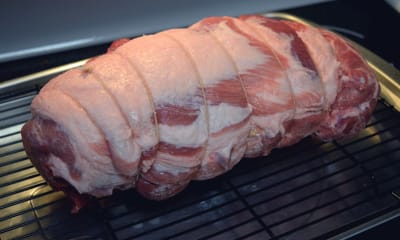
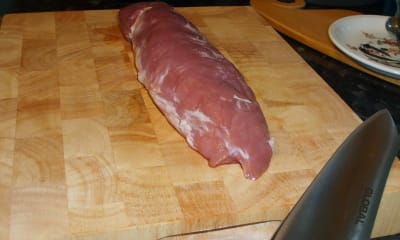
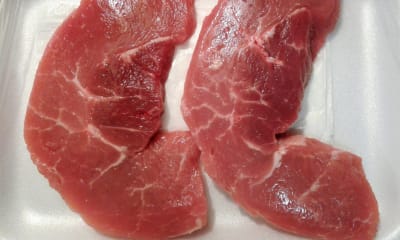
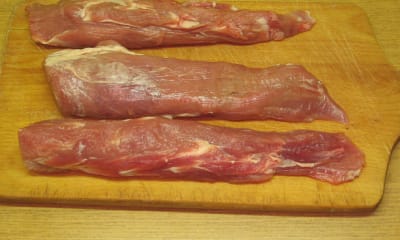
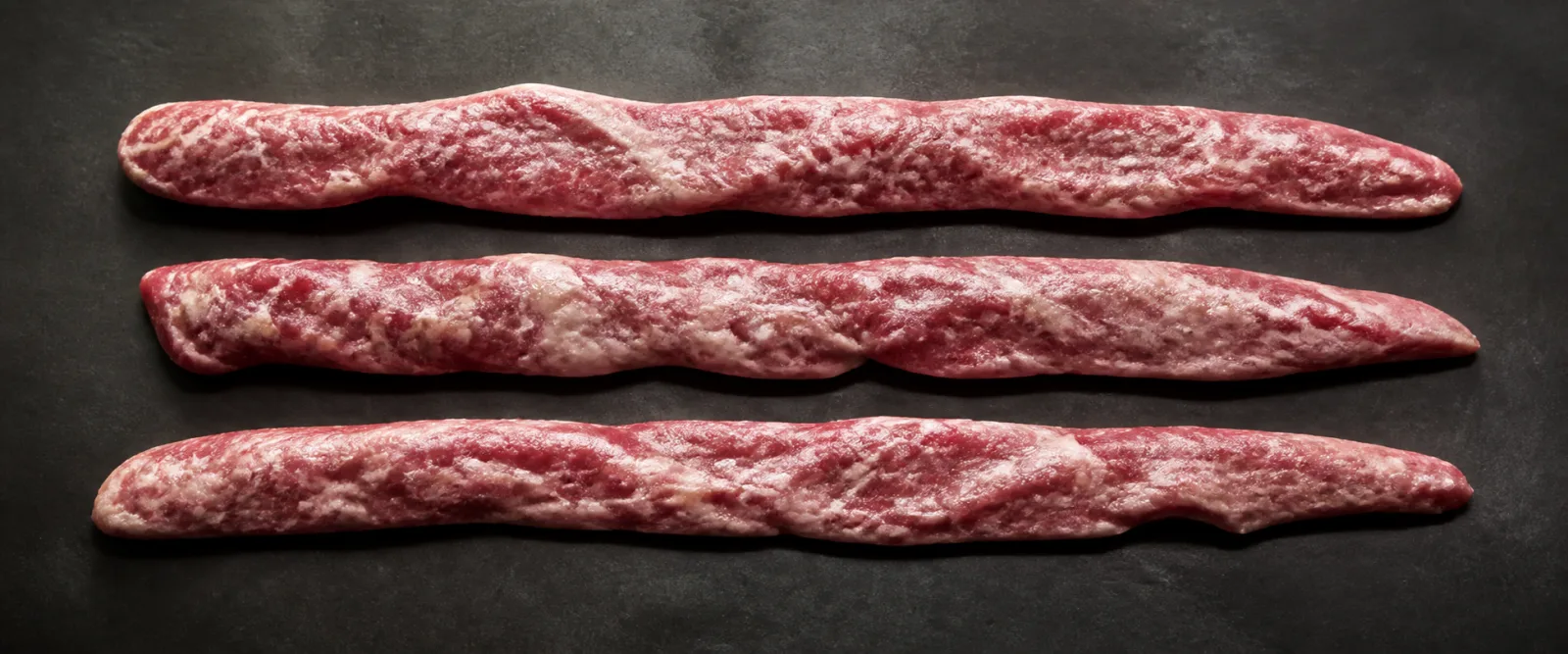
10 cutsThe back of the pig — the leanest primal section. Source of chops, tenderloin, back bacon, and roasting joints.


Ribs
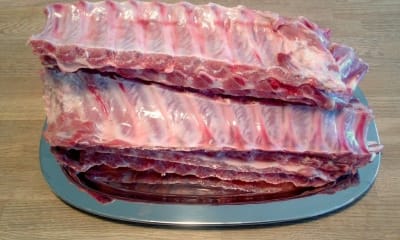
1 cutBaby back and spare ribs — the balance of cartilage, fat, and meat makes them ideal for smoking, glazing, and grilling.

Belly
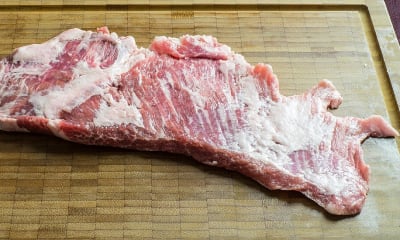
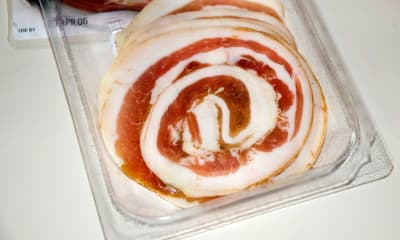
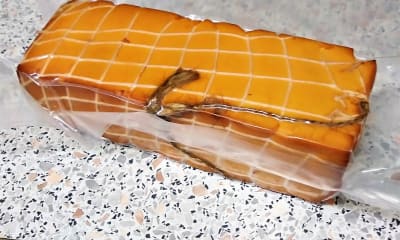
4 cutsThe underside of the pig — alternating layers of fat and meat. The source of bacon, pancetta, pork belly, and lardons.


Leg
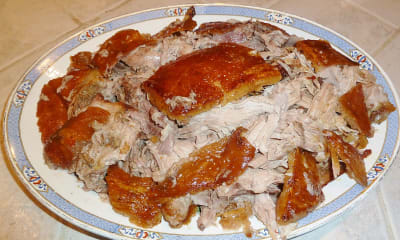
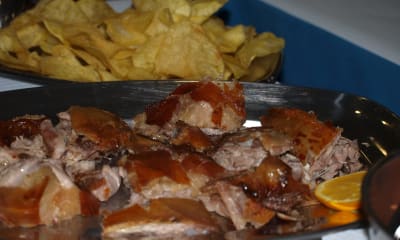
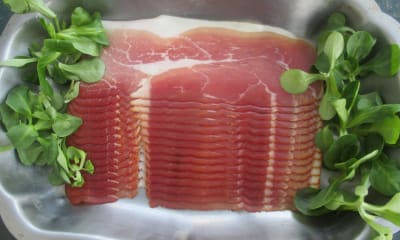
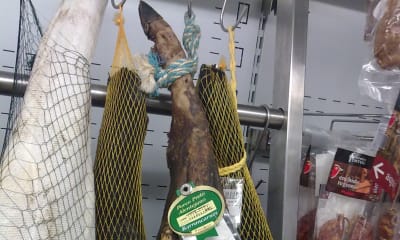
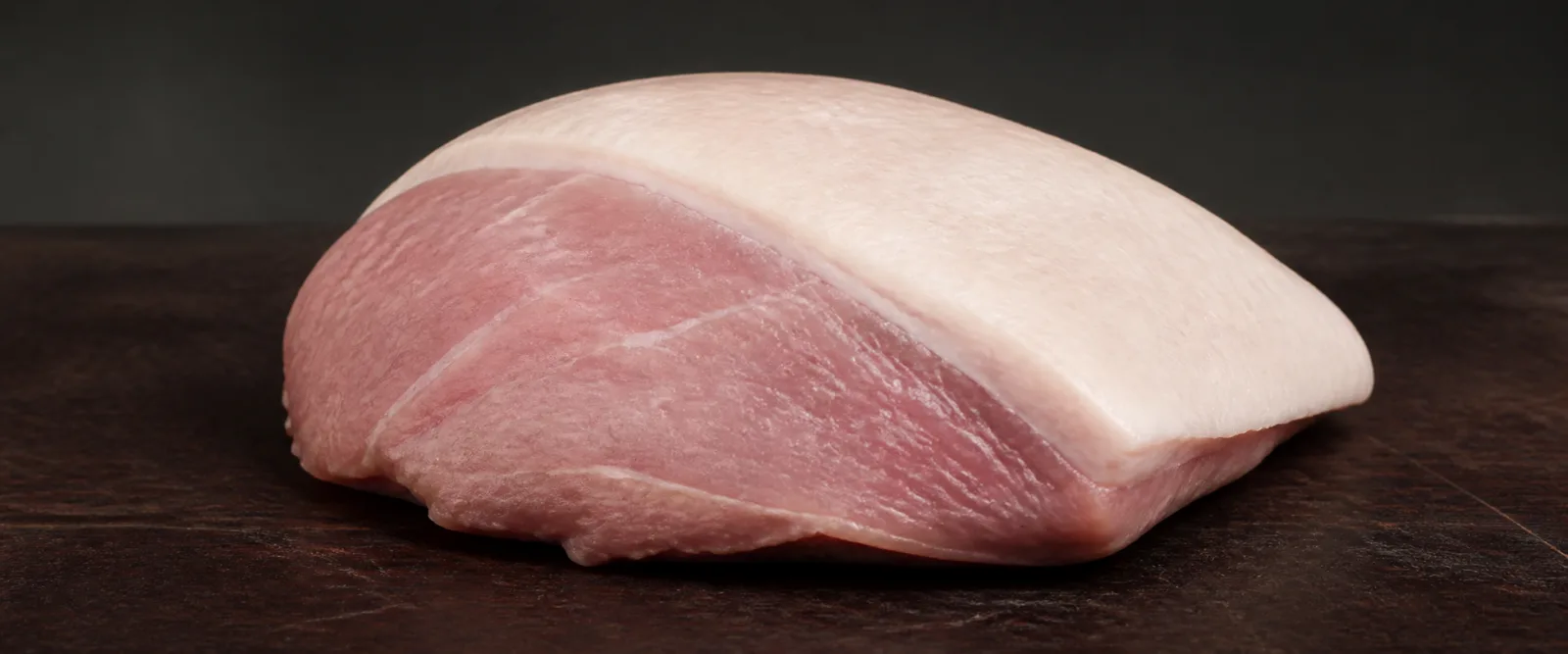
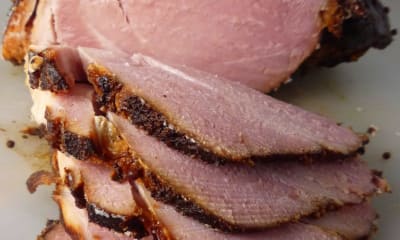
11 cutsThe rear haunch — large, lean, and versatile. Slow-roasted whole or cured into prosciutto, jamón ibérico, and ham.



Hock
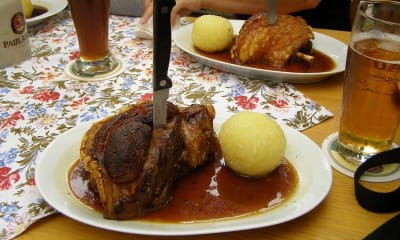
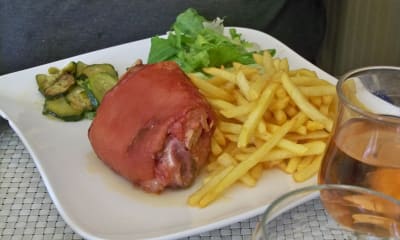
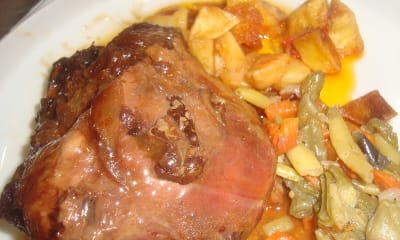
3 cutsThe ankle joint — collagen-rich and gelatinous when braised. Essential to stocks, cassoulet, and cured preparations.