Beef is divided into primal sections — large areas of the carcass that determine a cut's texture, fat content, and best cooking method. The same primal can yield very different cuts depending on the butchery tradition: what France calls entrecôte, Argentina calls ojo de bife, and the United States simply calls ribeye. Click any region on the diagram to jump to that section.
Select a primal to see its cuts
Could you place a cut on this diagram?
That's one of the five questions in today's puzzle.
Try the quiz →Chuck
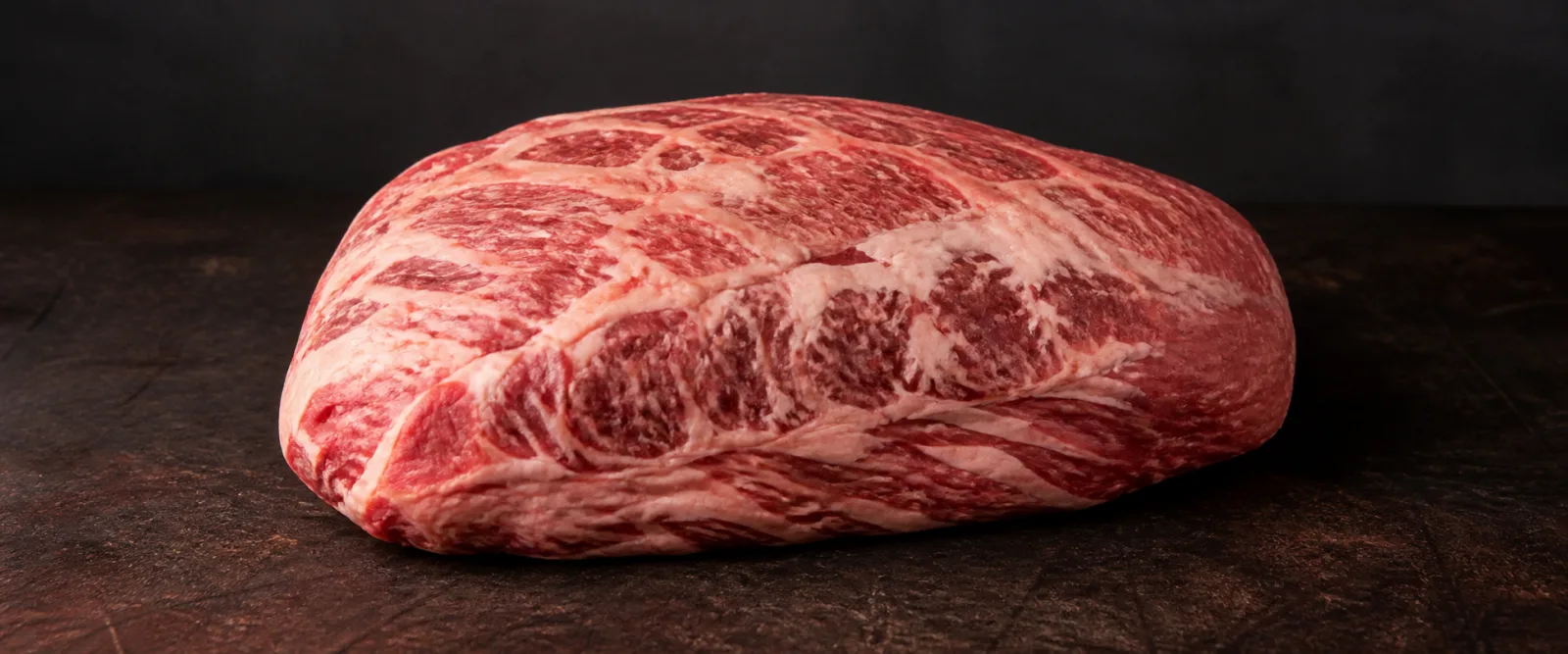
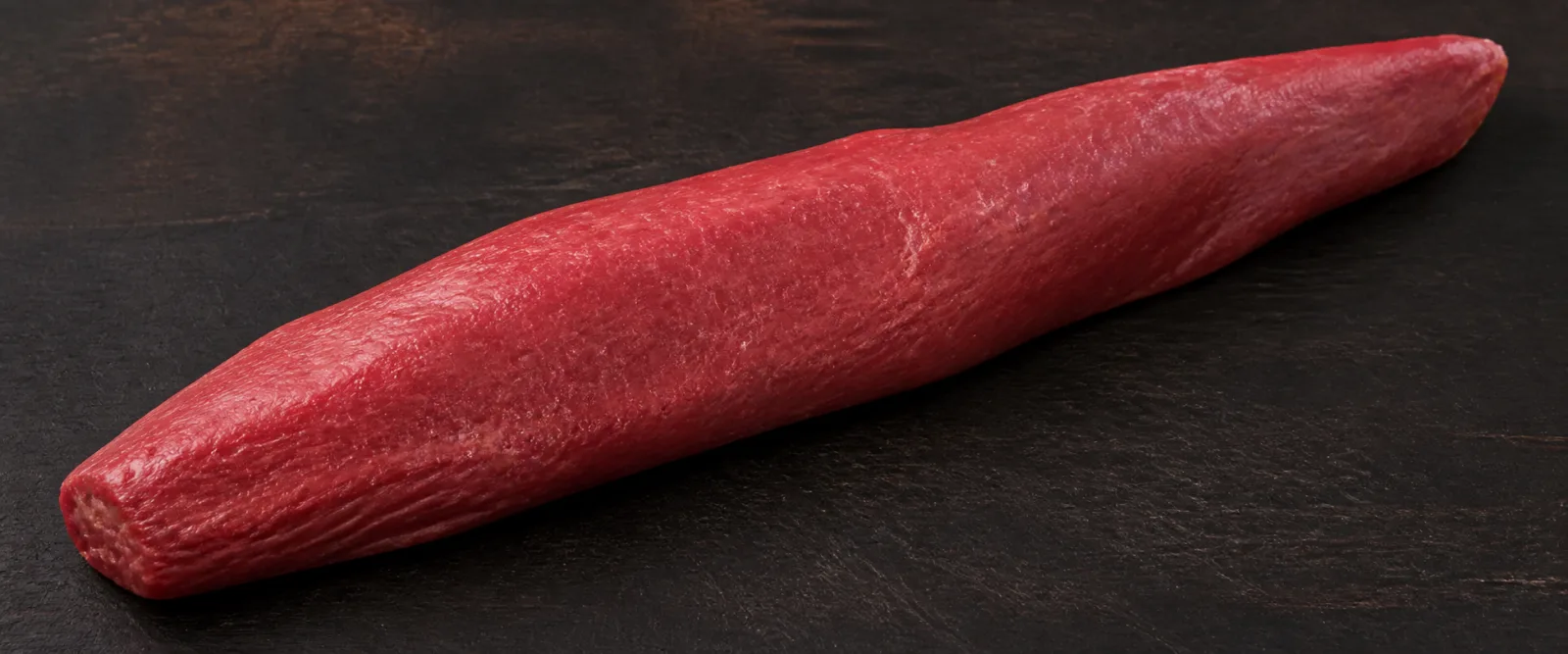
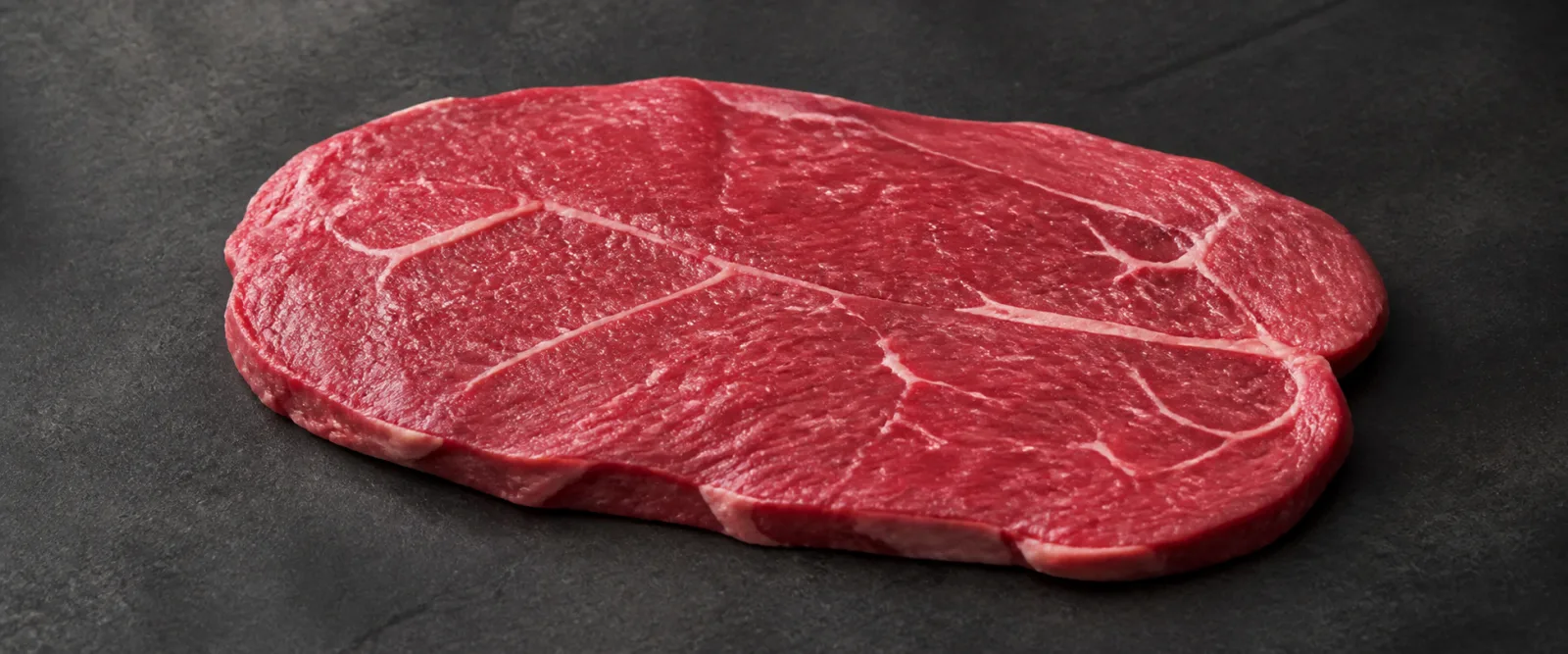
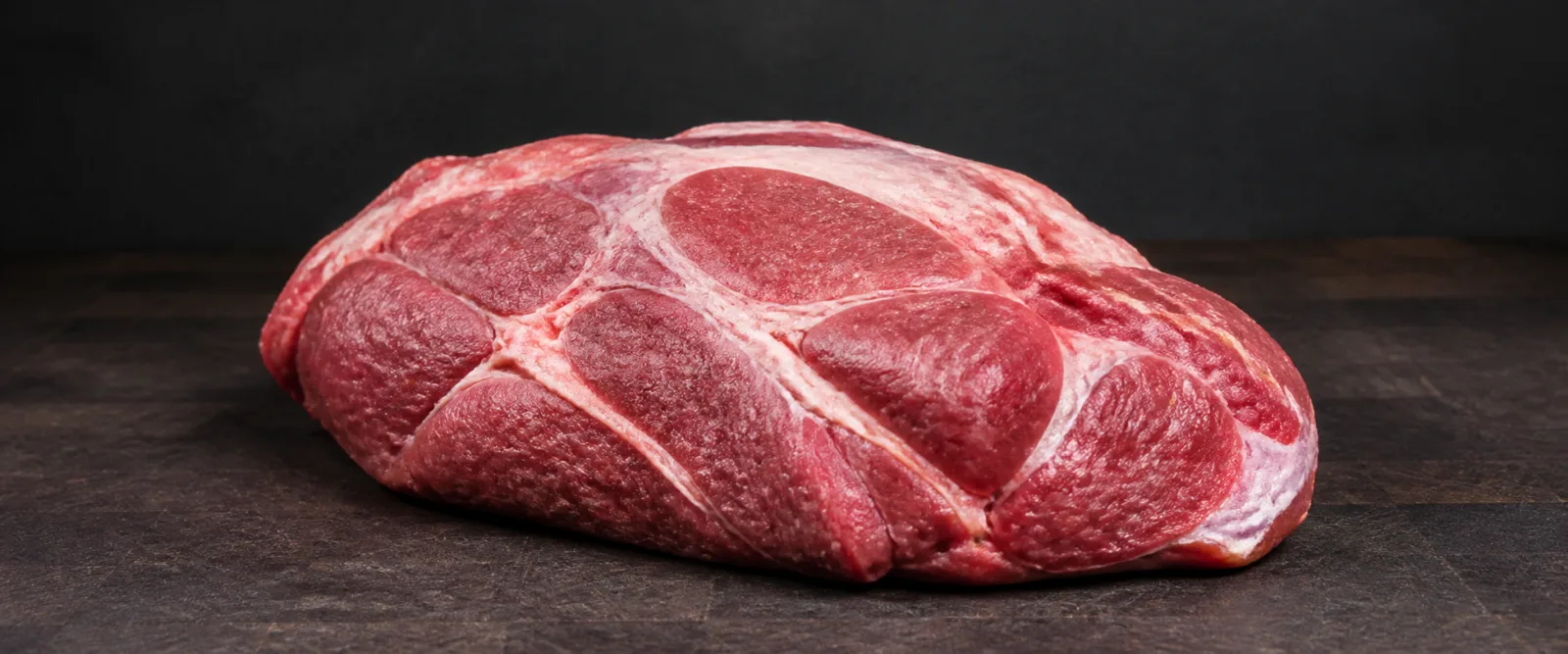
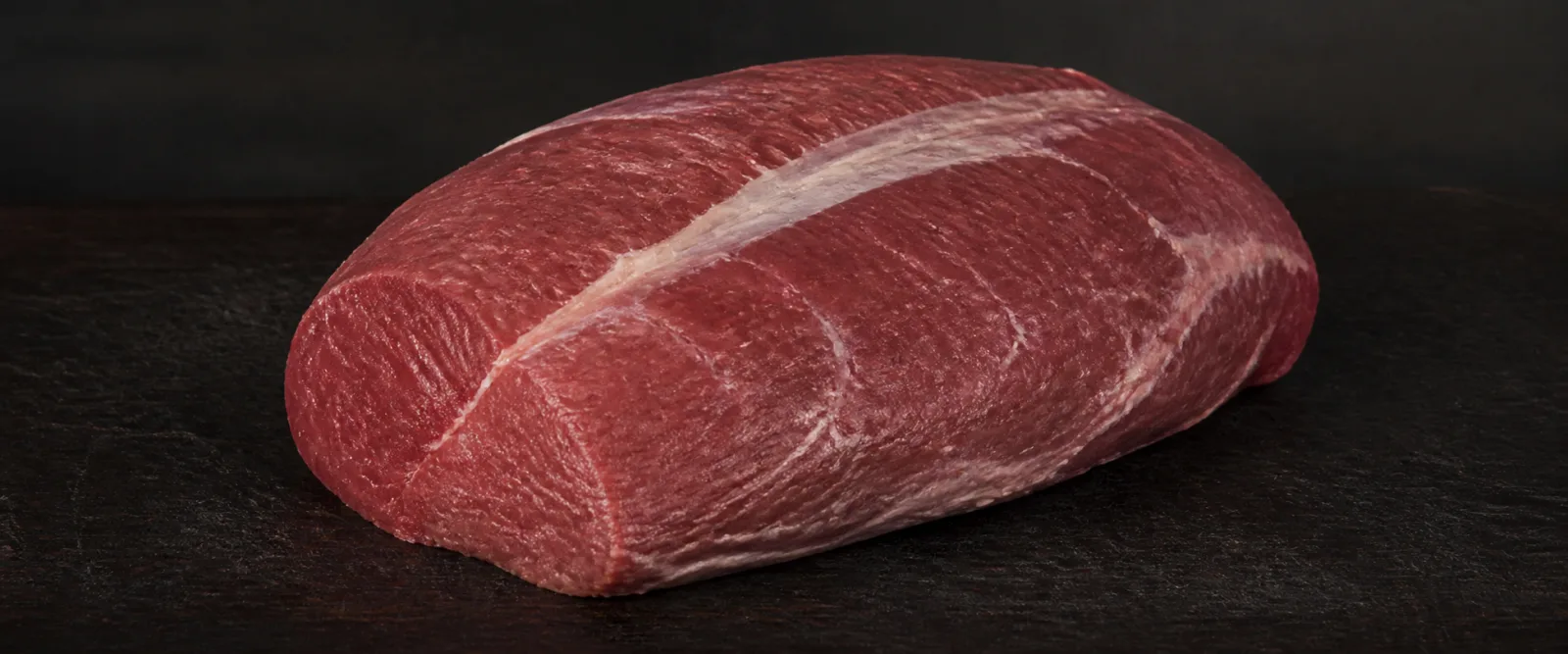
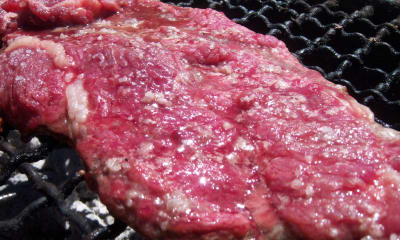
13 cutsThe shoulder and neck — heavily worked muscles that reward long, slow cooking. Best for braises, pot roasts, and grinding.



Rib
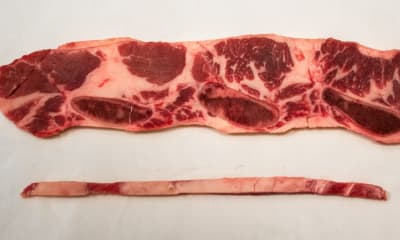
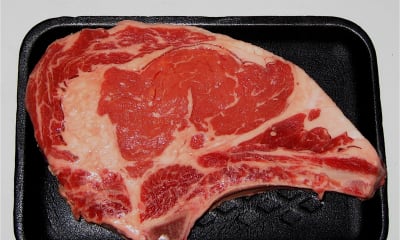
6 cutsThe upper ribcage, lightly worked and well-marbled. Home to the ribeye and prime rib — some of the most prized cuts in the world.



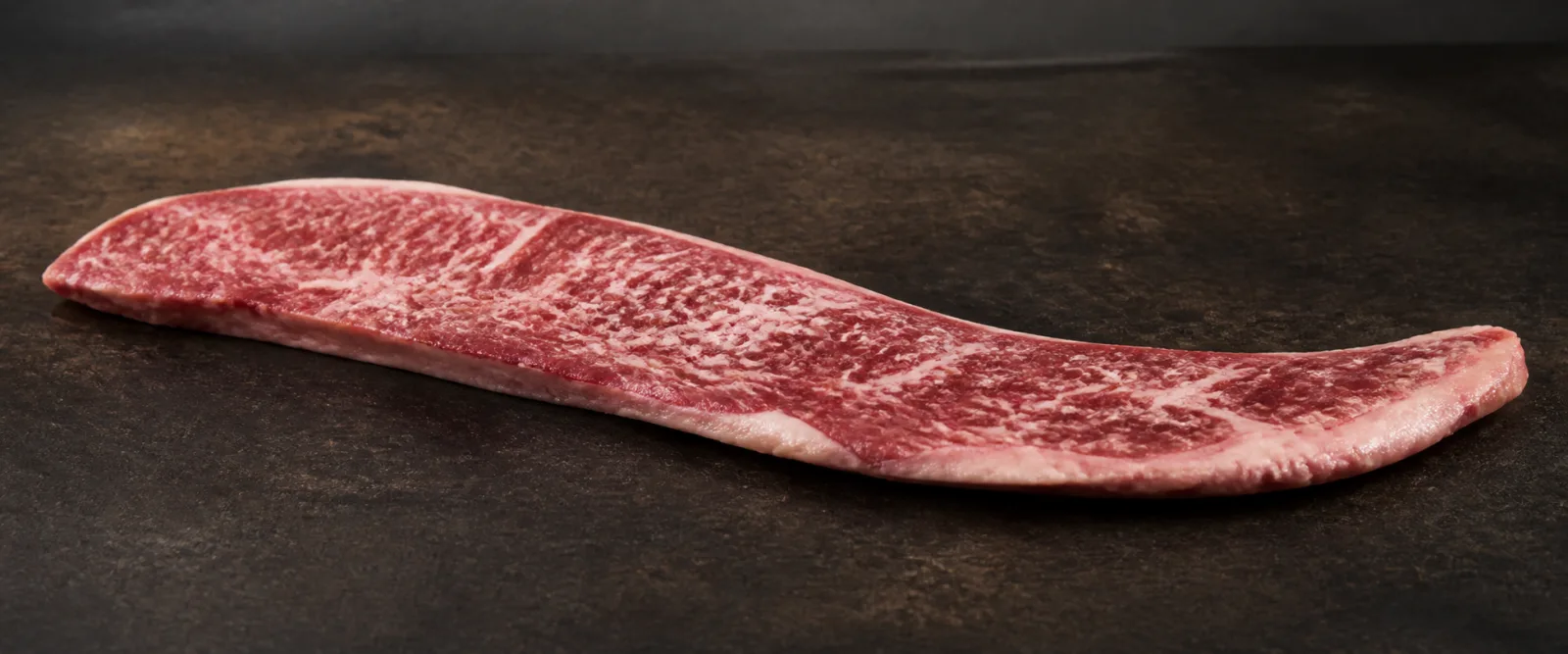
Loin
5 cutsJust behind the ribs, the short loin produces the T-bone, porterhouse, and New York strip.


Sirloin
5 cutsBehind the loin, leaner but still tender. A reliable cut for grilling and roasting across butchery traditions.


Tenderloin
3 cutsThe least-worked muscle in the animal — exceptionally tender and mild. Source of filet mignon and chateaubriand.


Bottom Sirloin
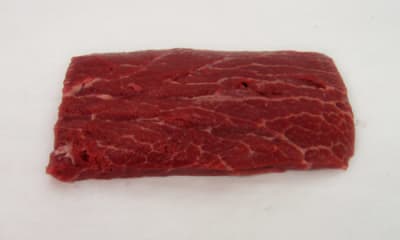
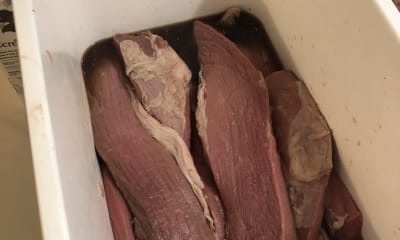
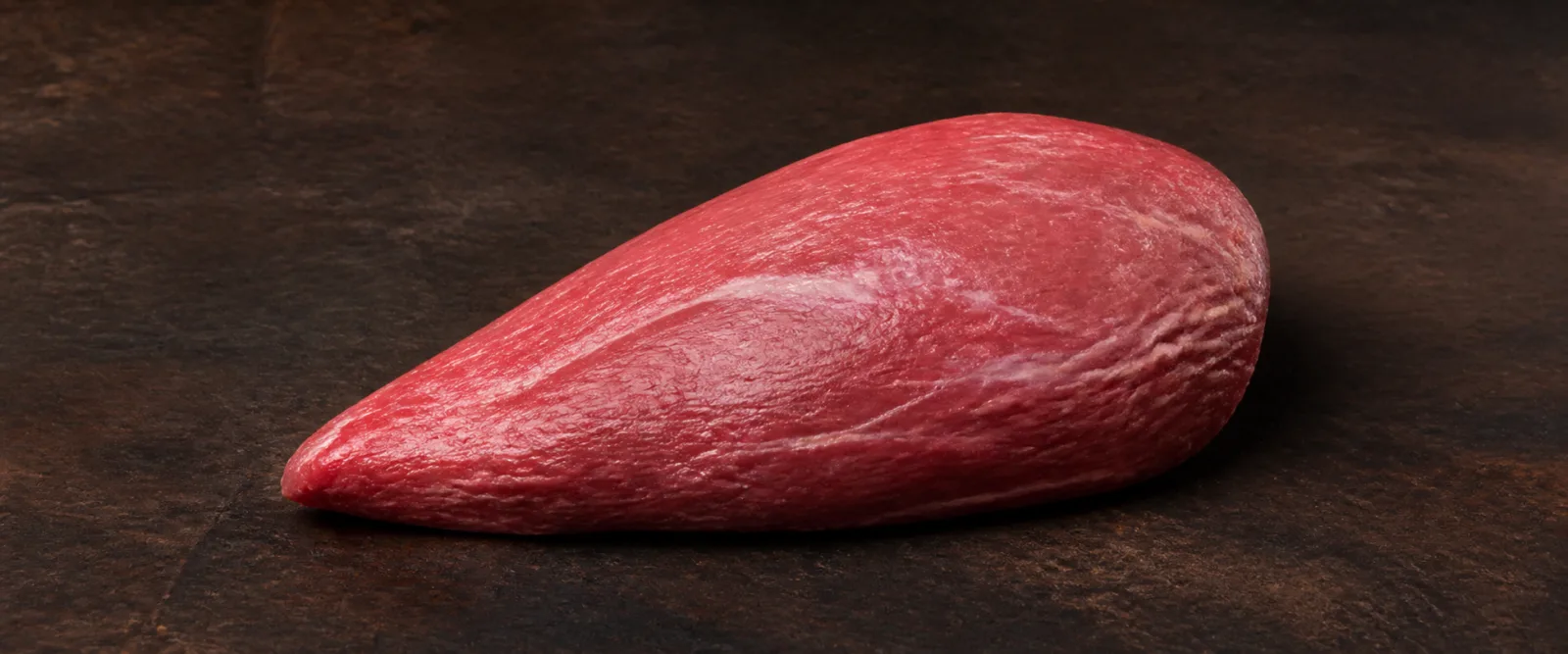
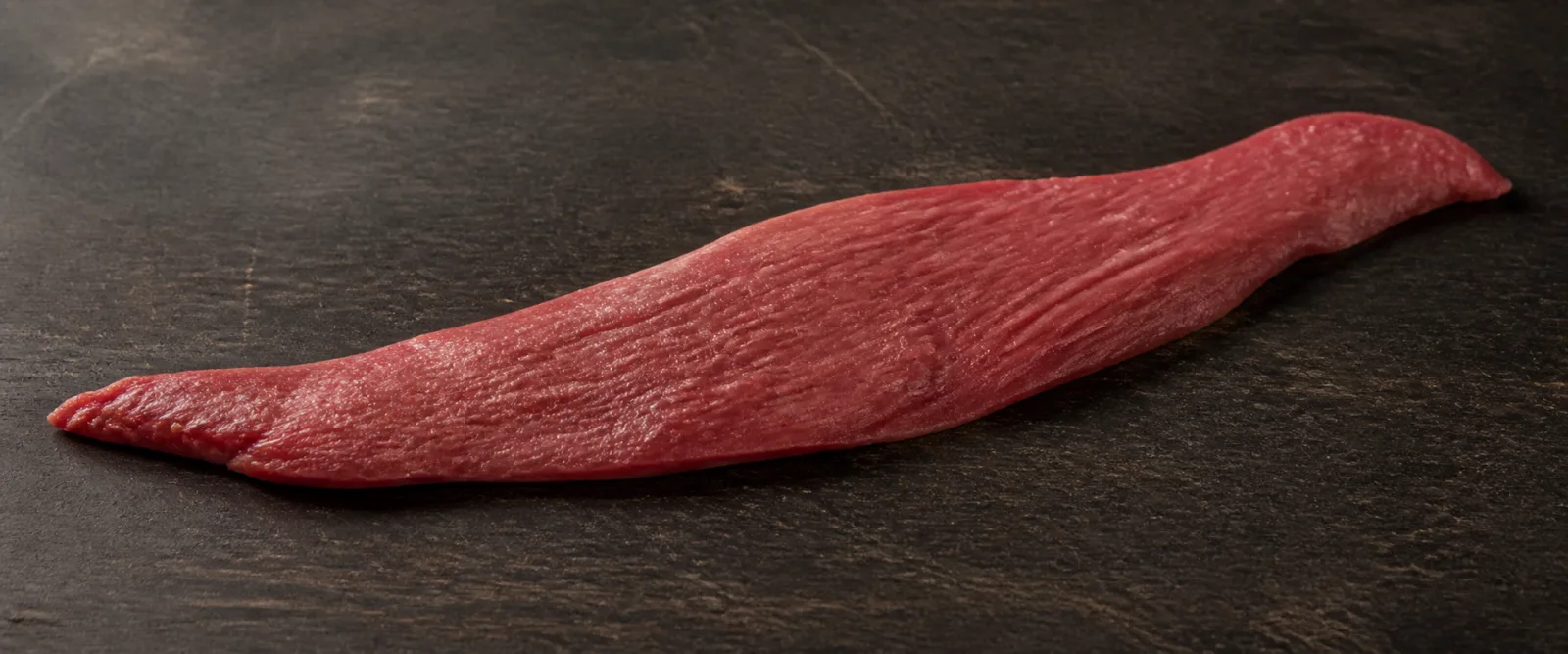
3 cutsThe lower sirloin — less tender than the top, but full of flavour. Home to the tri-tip and flap steak.




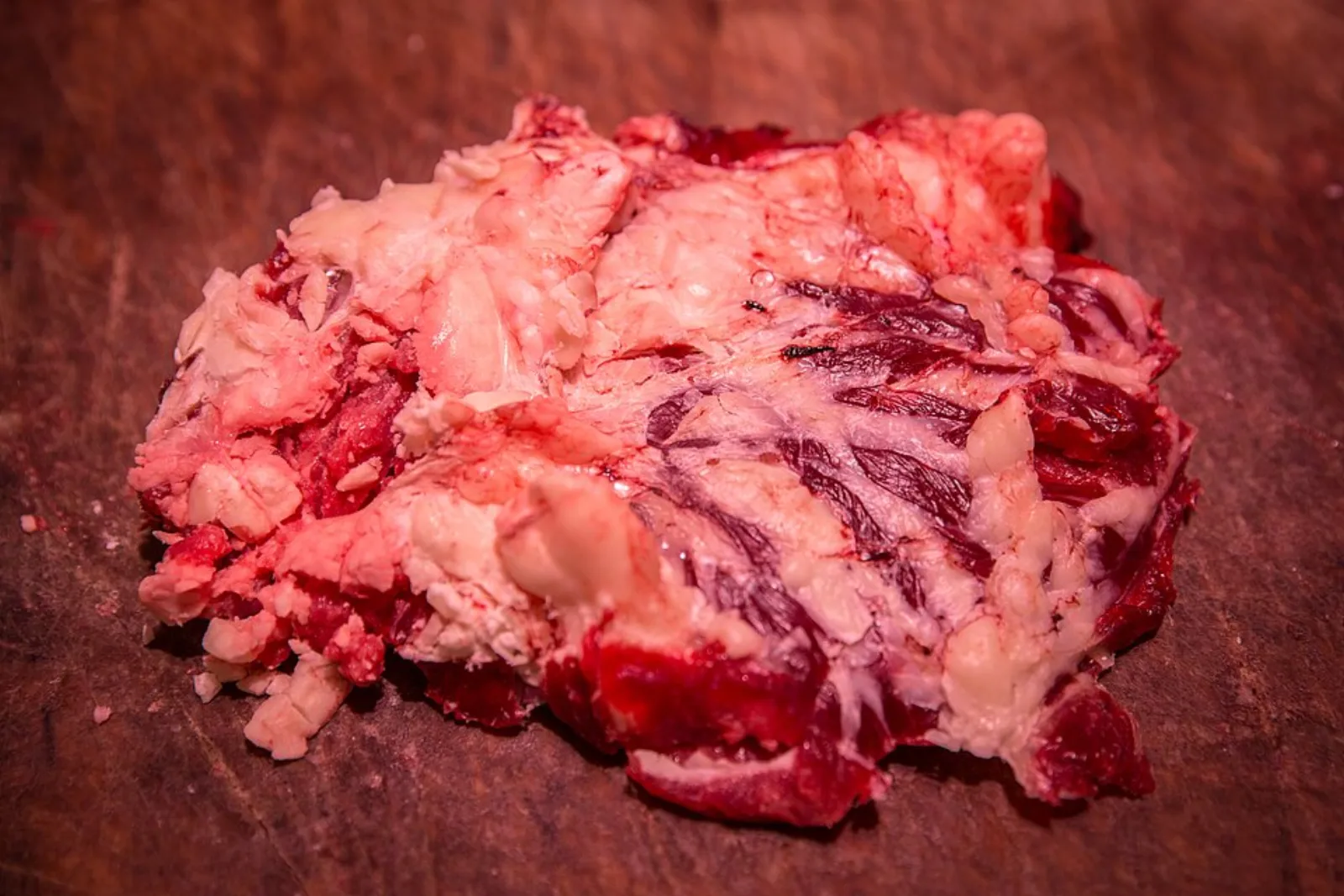



Flank
3 cutsA thin, fibrous cut from the abdominal wall — intensely flavoured. Best marinated and cooked quickly over high heat.

Plate
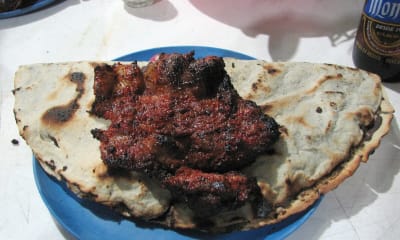
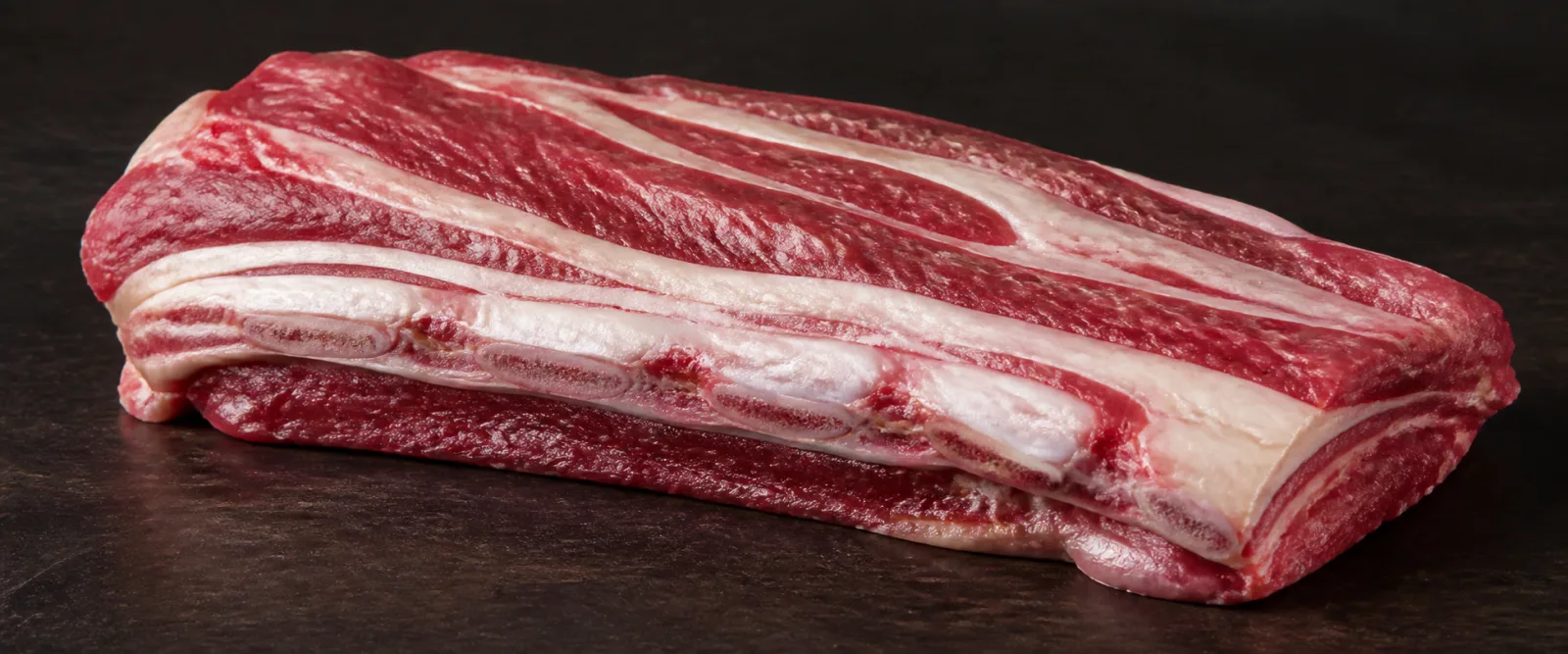
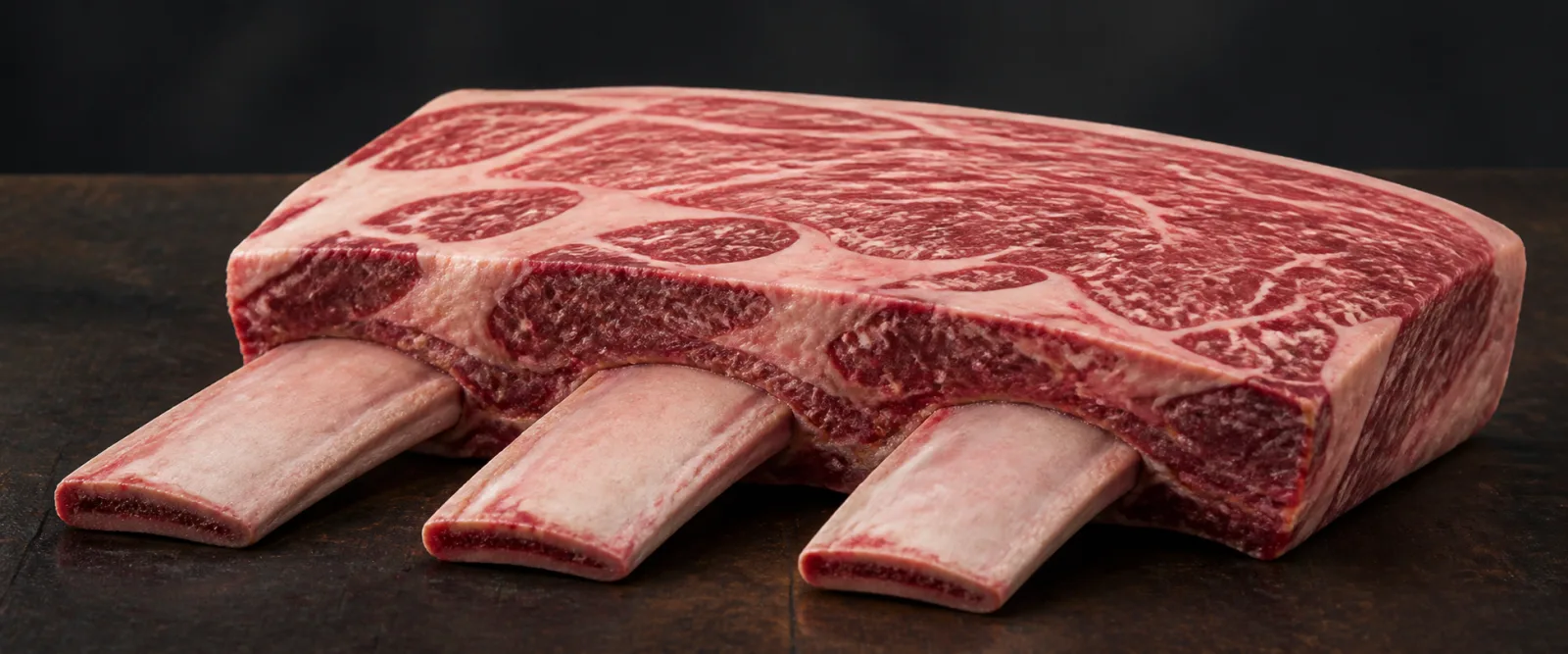
7 cutsThe lower belly, beneath the ribs — fatty and rich. Home to skirt steak and, in some traditions, short ribs.



Brisket
1 cutThe breast and lower chest — dense with collagen that renders to silk with long smoking or braising.
Shank
1 cutThe lower leg — tough and collagen-rich. Becomes deeply gelatinous when braised. The classic cut for osso buco.