Fish naming is among the most inconsistent in all of food — the same species can carry a dozen names across markets, languages, and coastlines. A loup de mer in France is a branzino in Italy and a lubina in Spain. This guide maps those names across eight countries, grouped by biological family.
Popular translations— English market names
5 species
Anoplopomatidae
1 species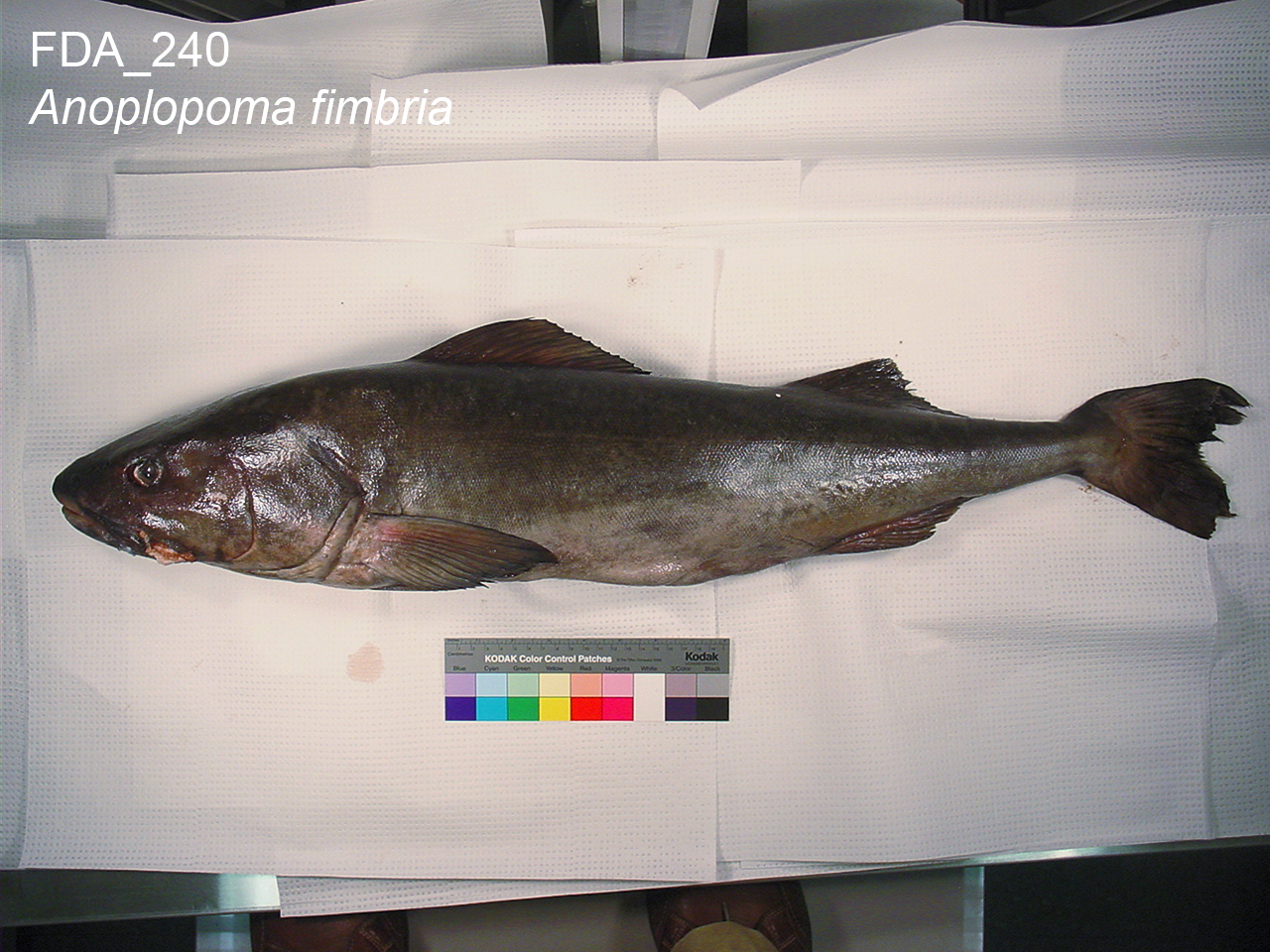
Atherinopsidae
1 species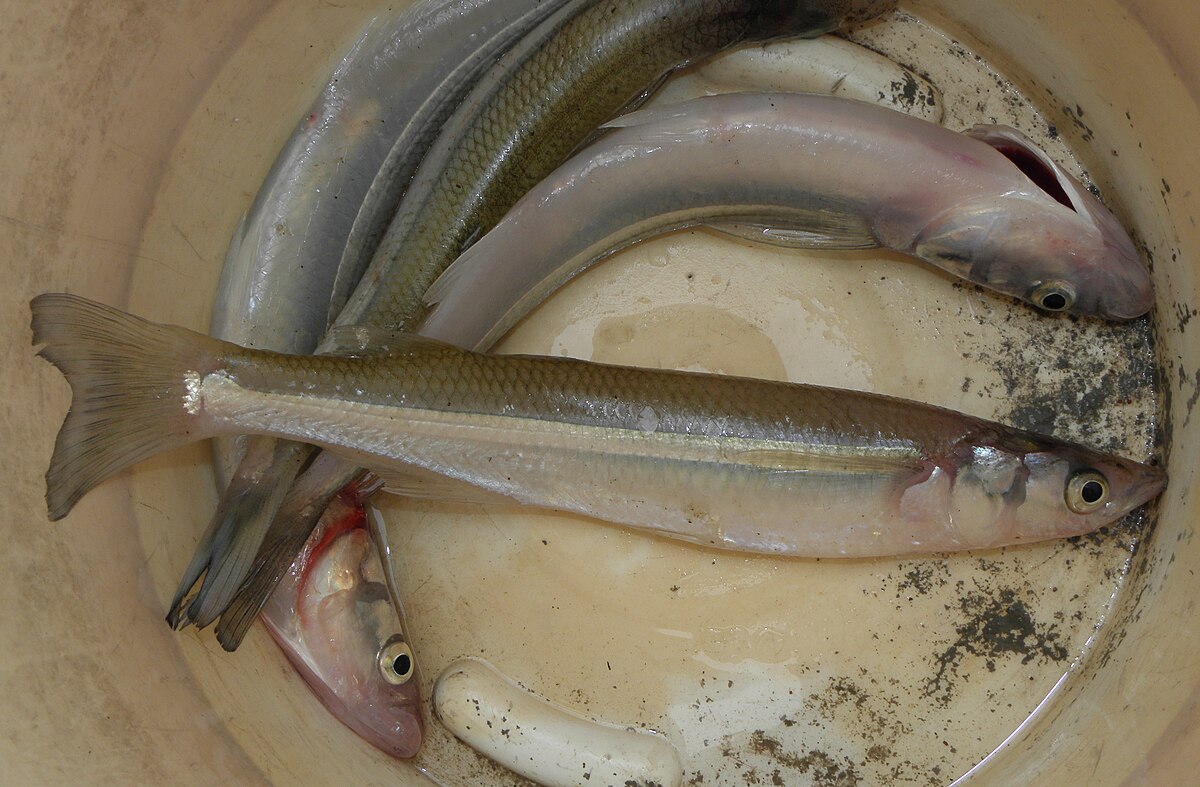
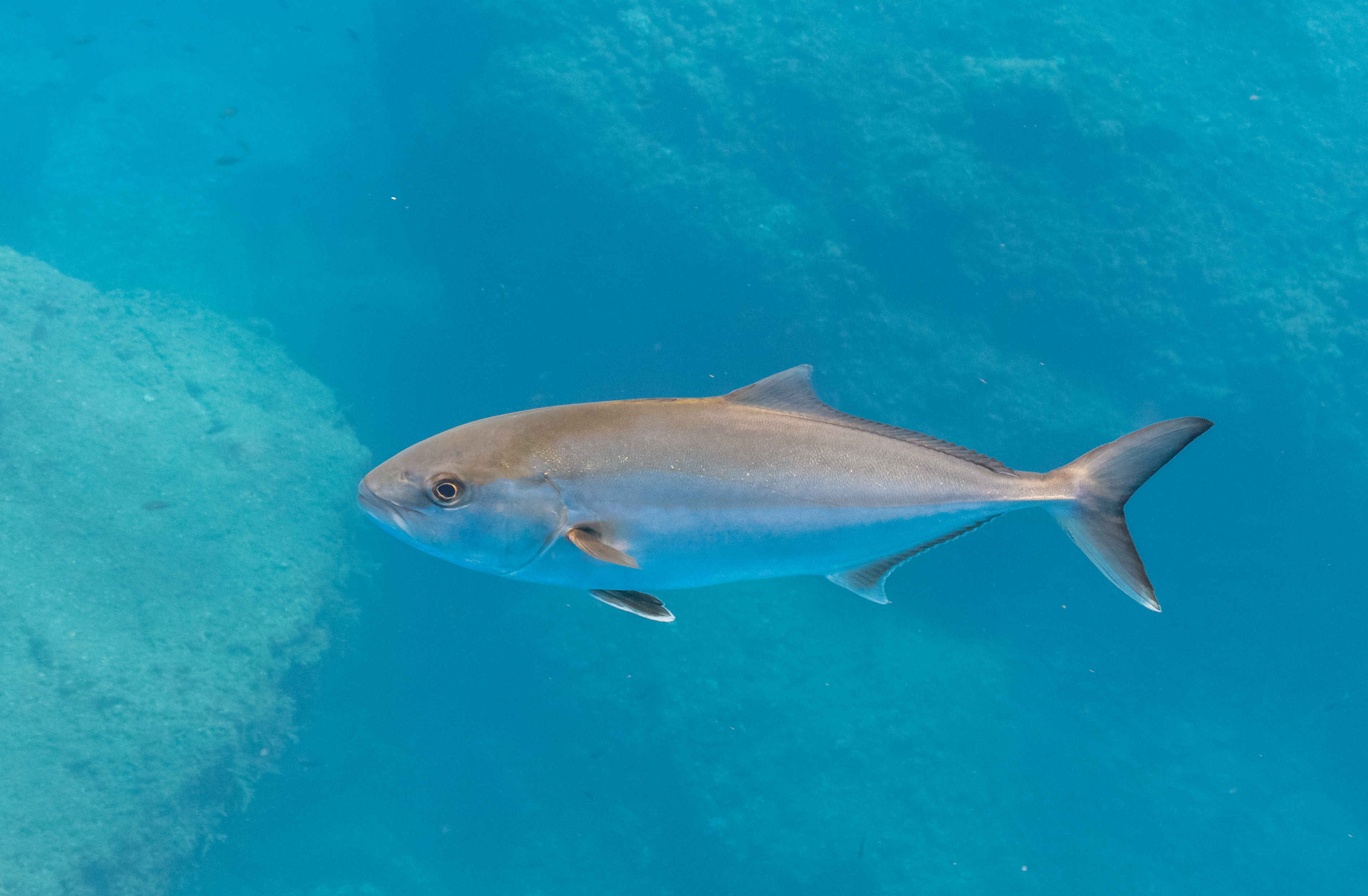
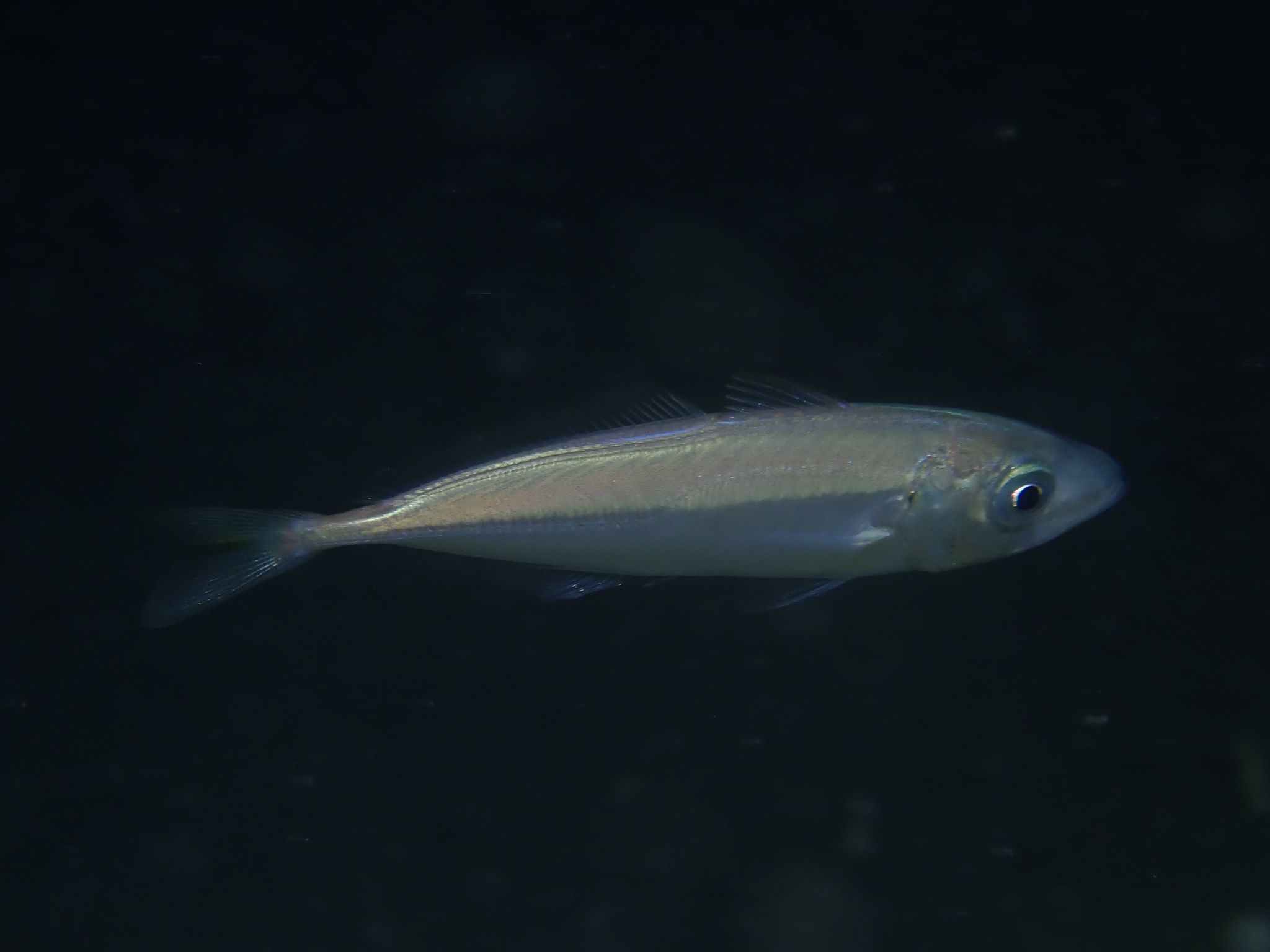
Carangidae— Jack & Pompano
3 speciesJacks and pompano — rich and flavourful. Used extensively in Latin American and Southeast Asian cuisines.

Centropomidae
1 species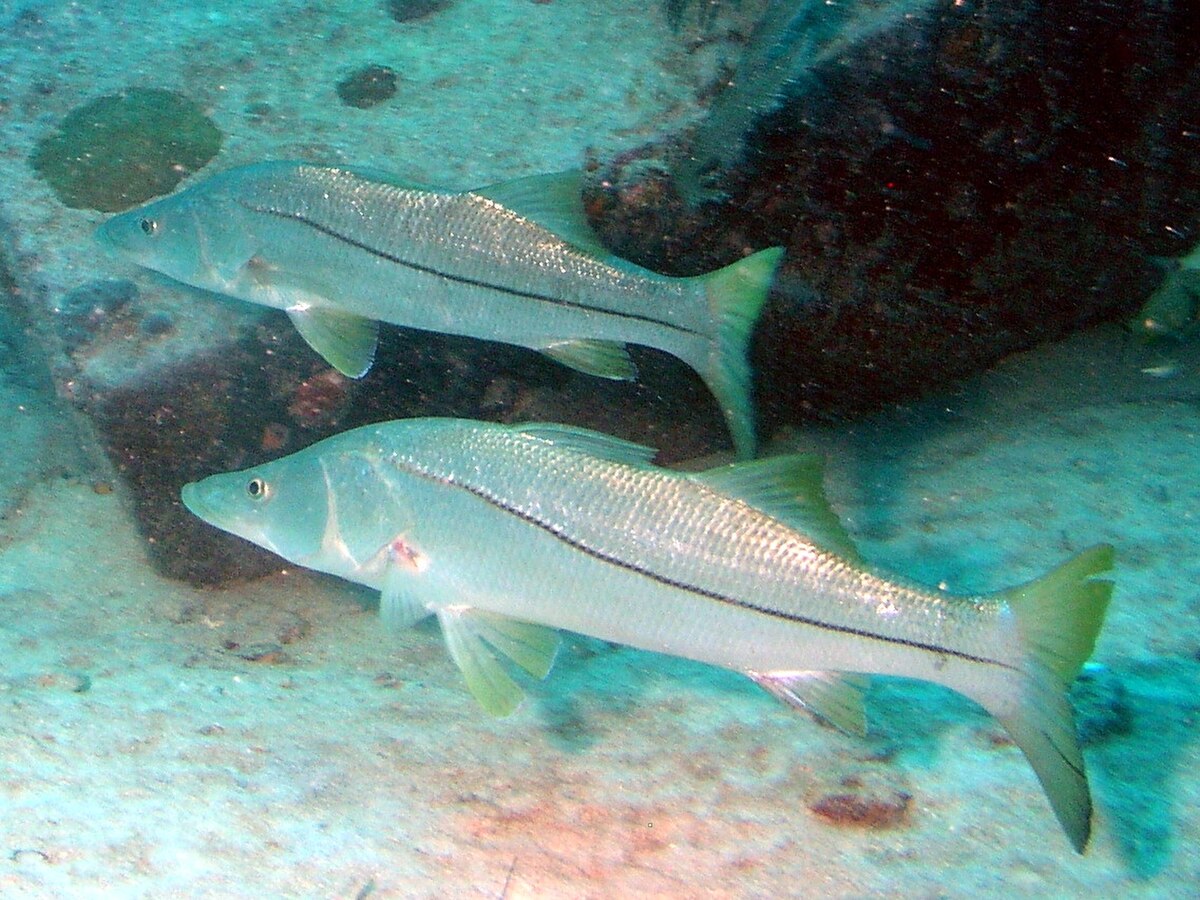
Cichlidae
1 species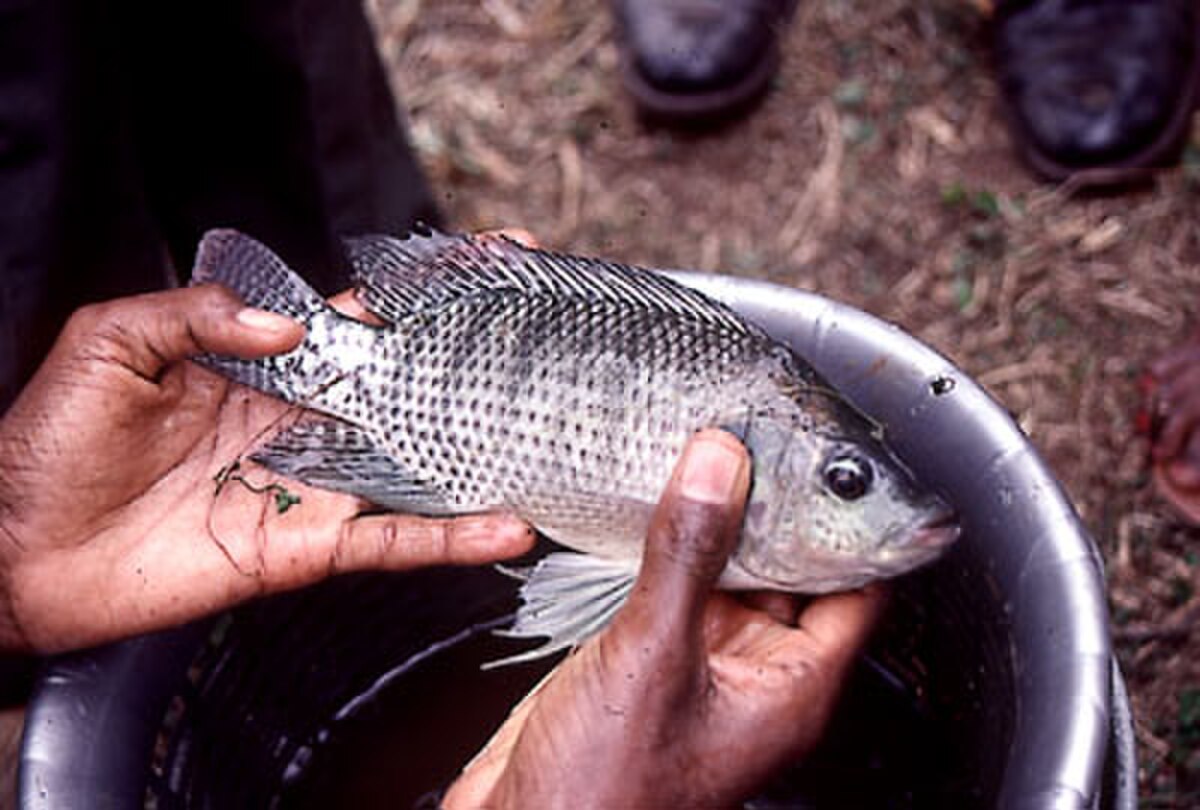
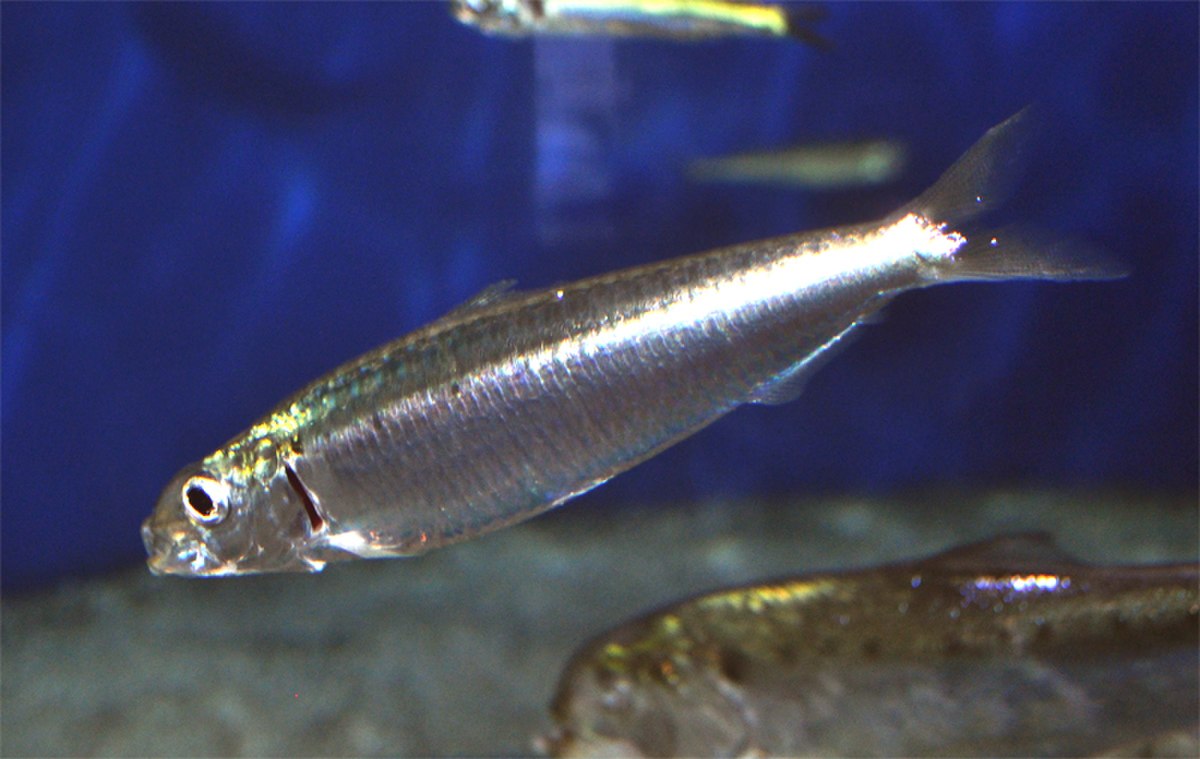
Clupeidae— Herring & Sardine
1 speciesHerrings and sardines — small, oily, and abundant. The backbone of preserved fish traditions from Scandinavia to the Mediterranean.
Congridae
1 species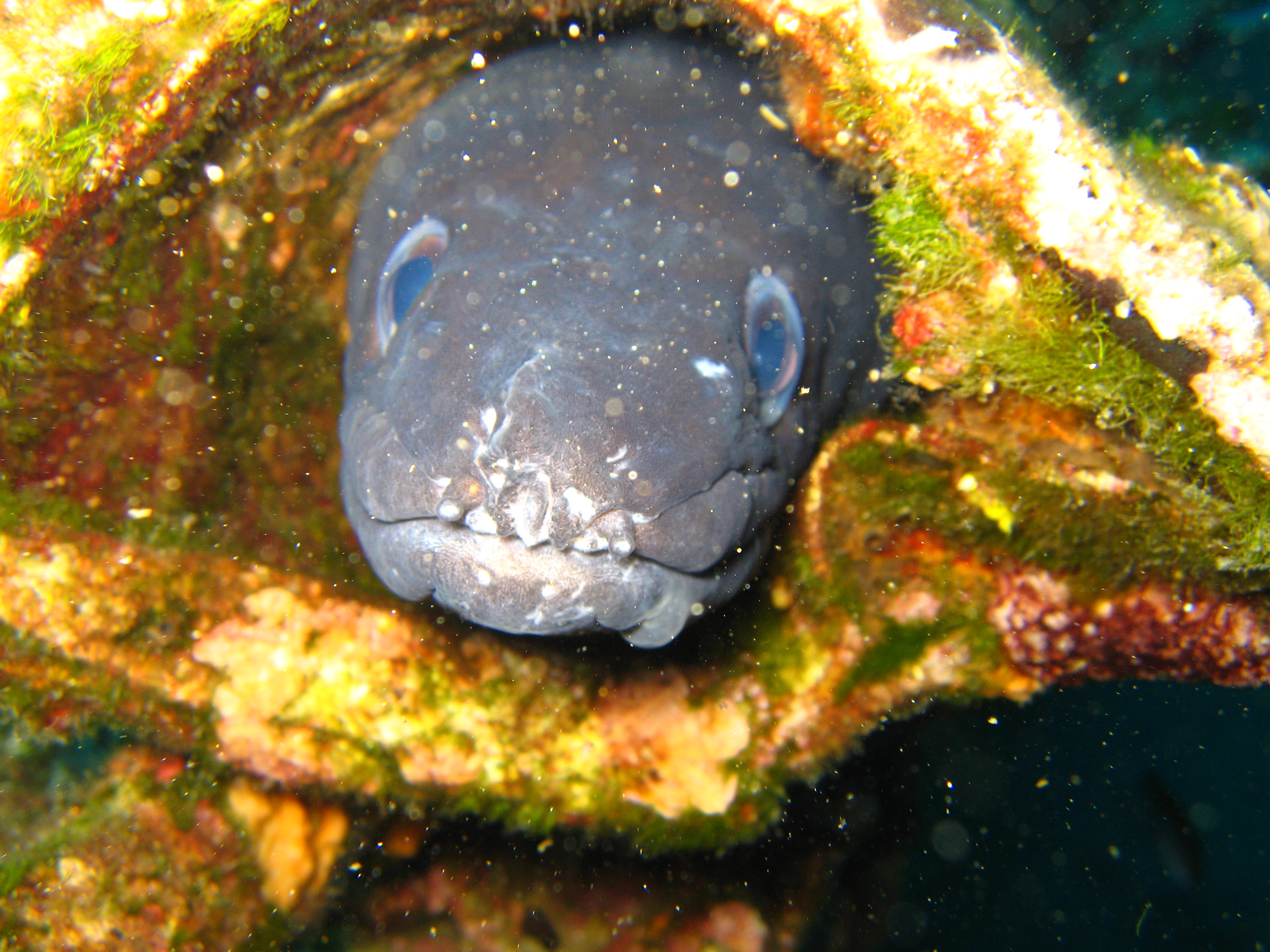
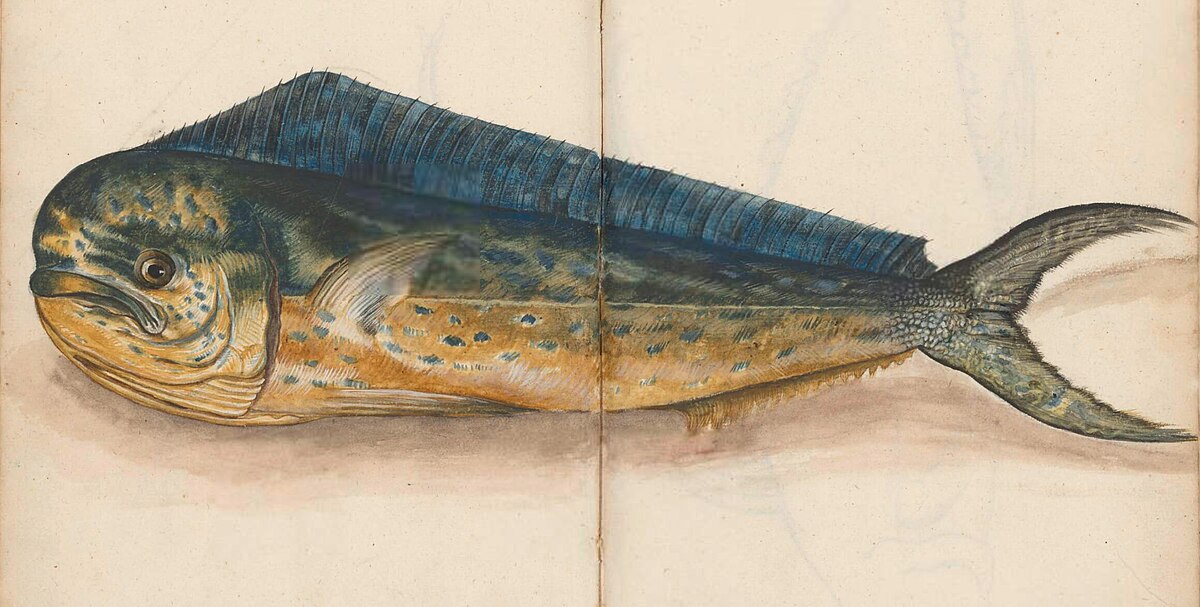
Coryphaenidae— Mahi-mahi
1 speciesMahi-mahi (dorado) — mild and moist with large flakes. Popular across the Caribbean and Pacific.
Engraulidae
1 species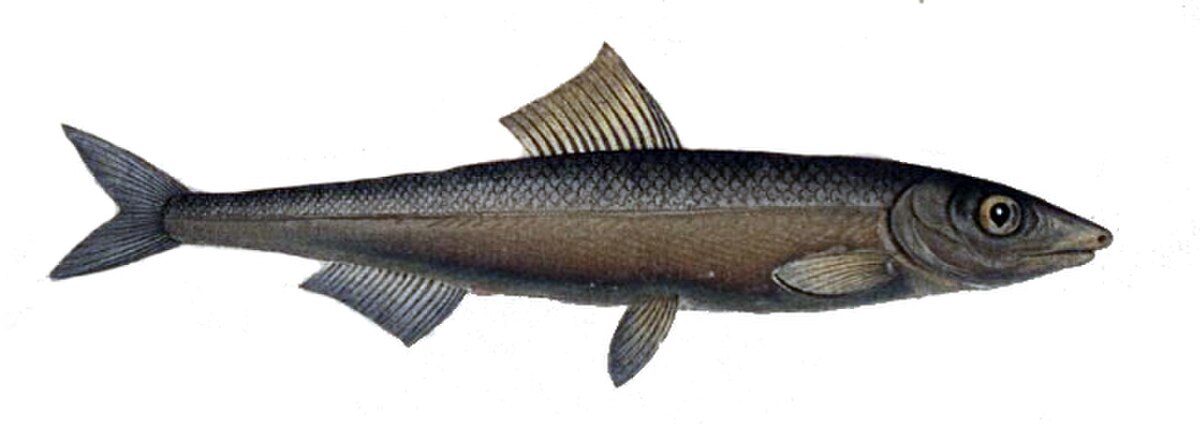
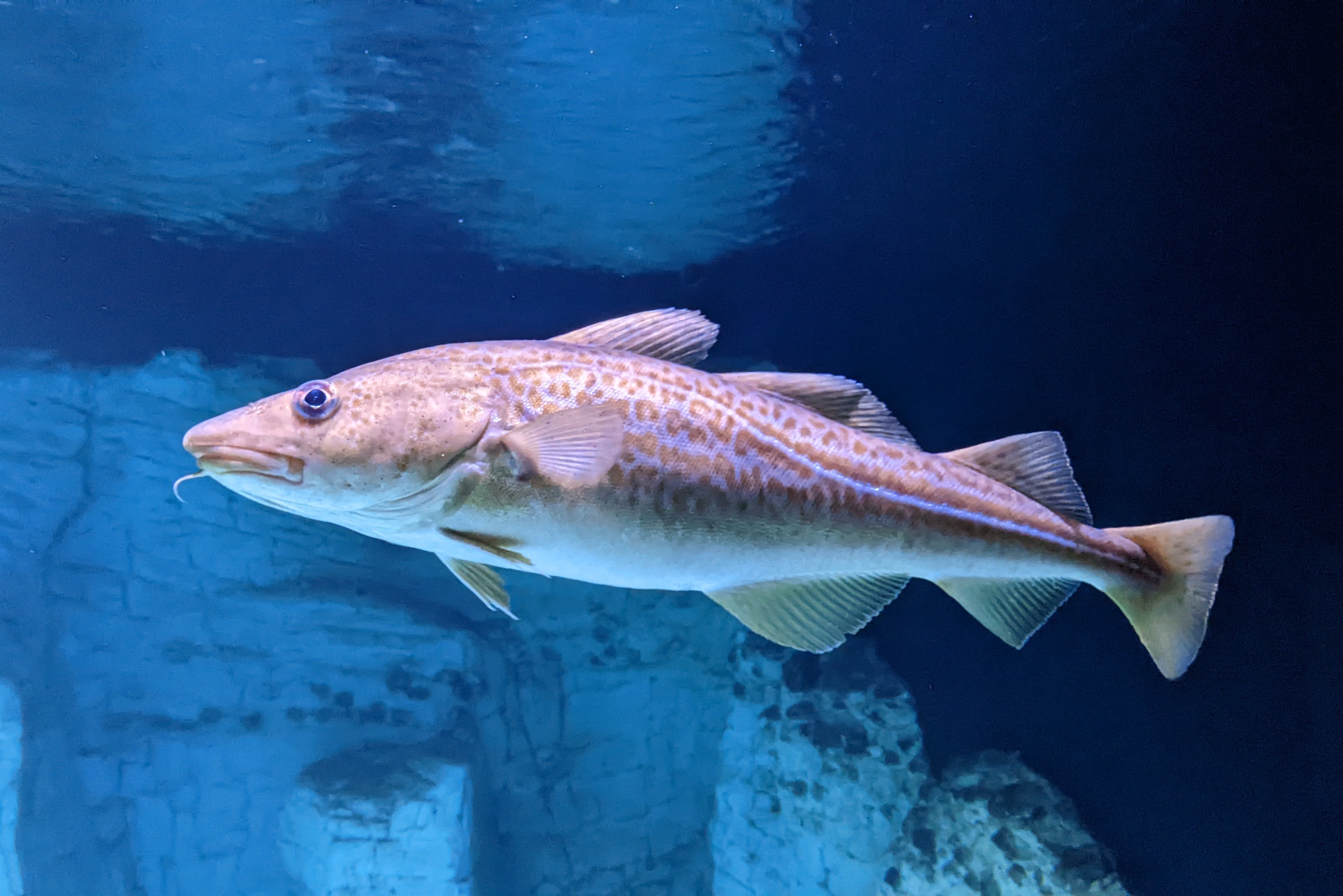
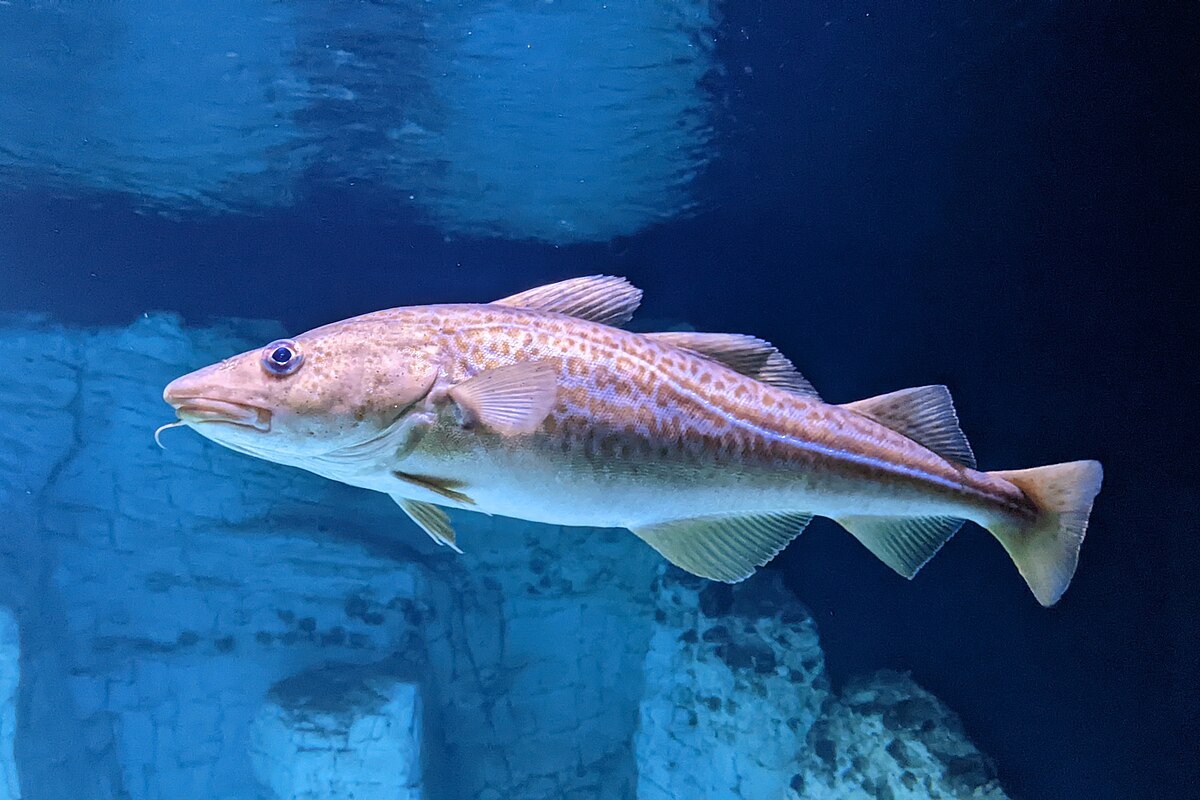
Gadidae— Cod & Haddock
2 speciesThe cod family — mild, white-fleshed fish that have sustained Northern Europe for centuries. Excellent for frying, poaching, and salt-curing.
Hexagrammidae
1 species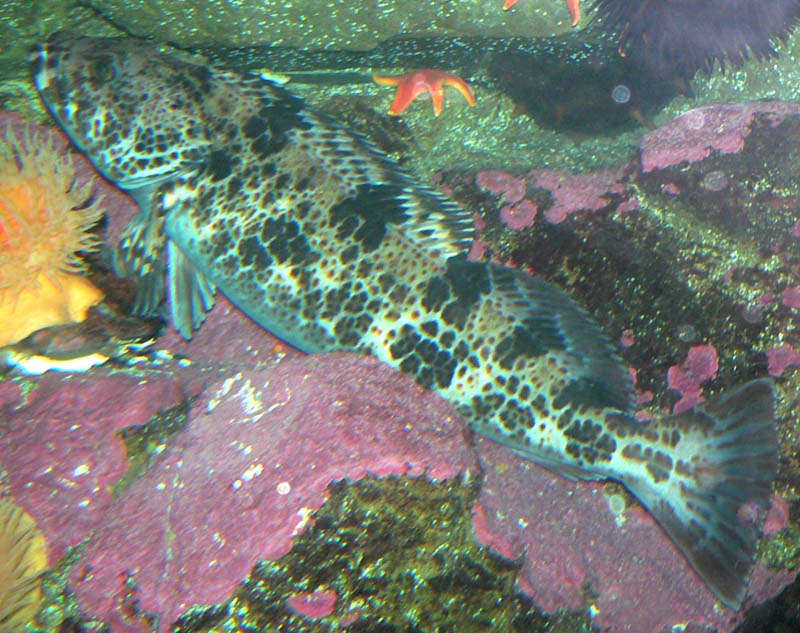
Lophiidae
1 species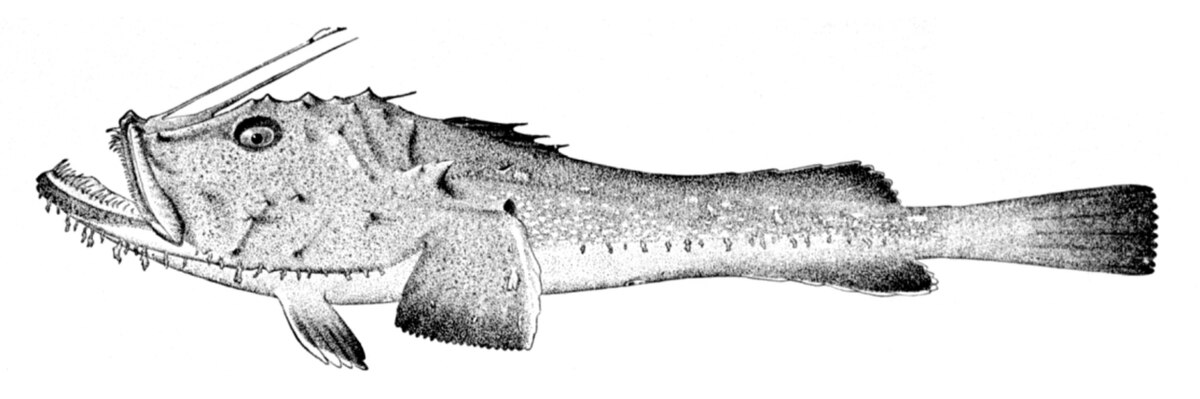
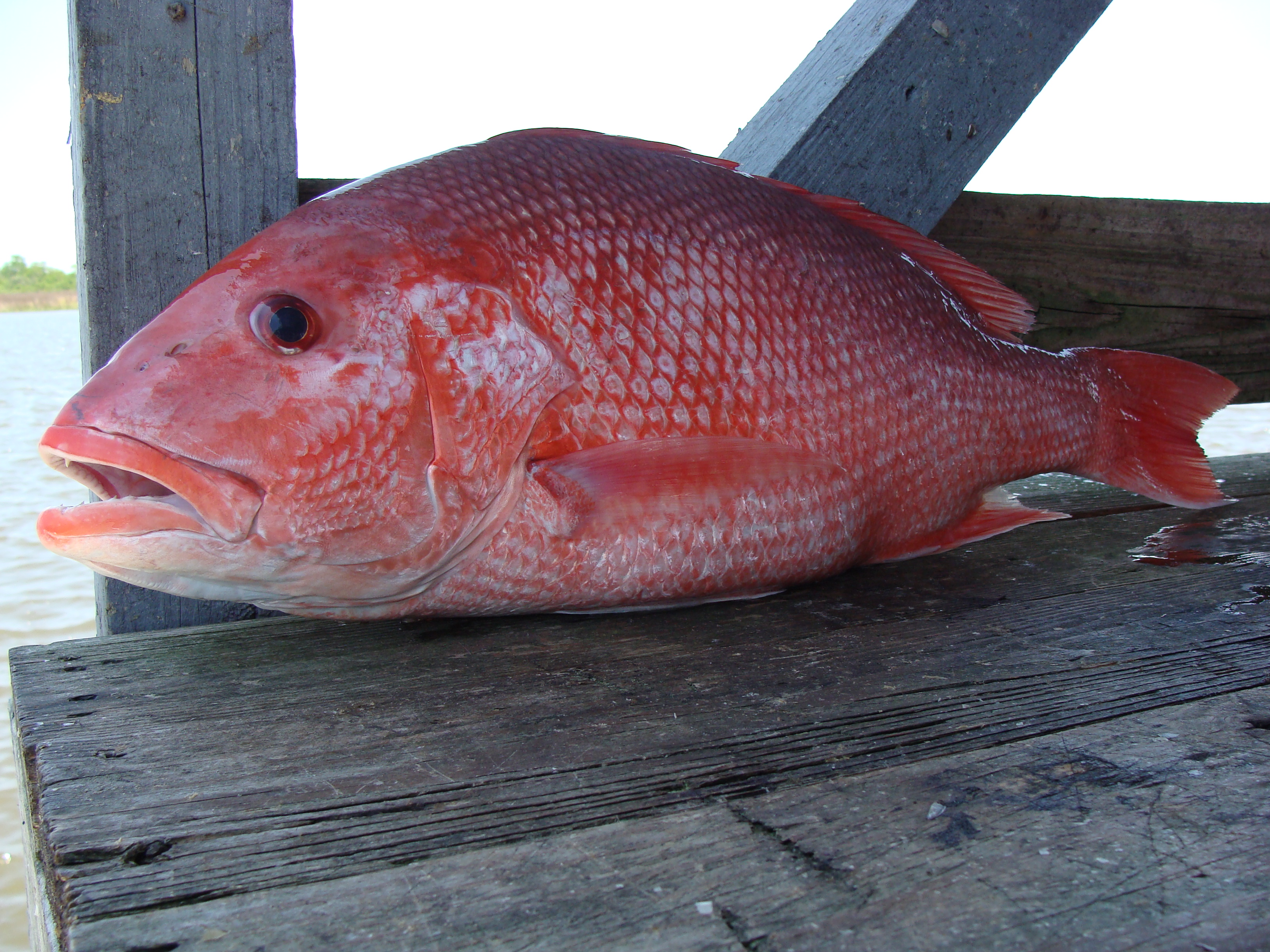
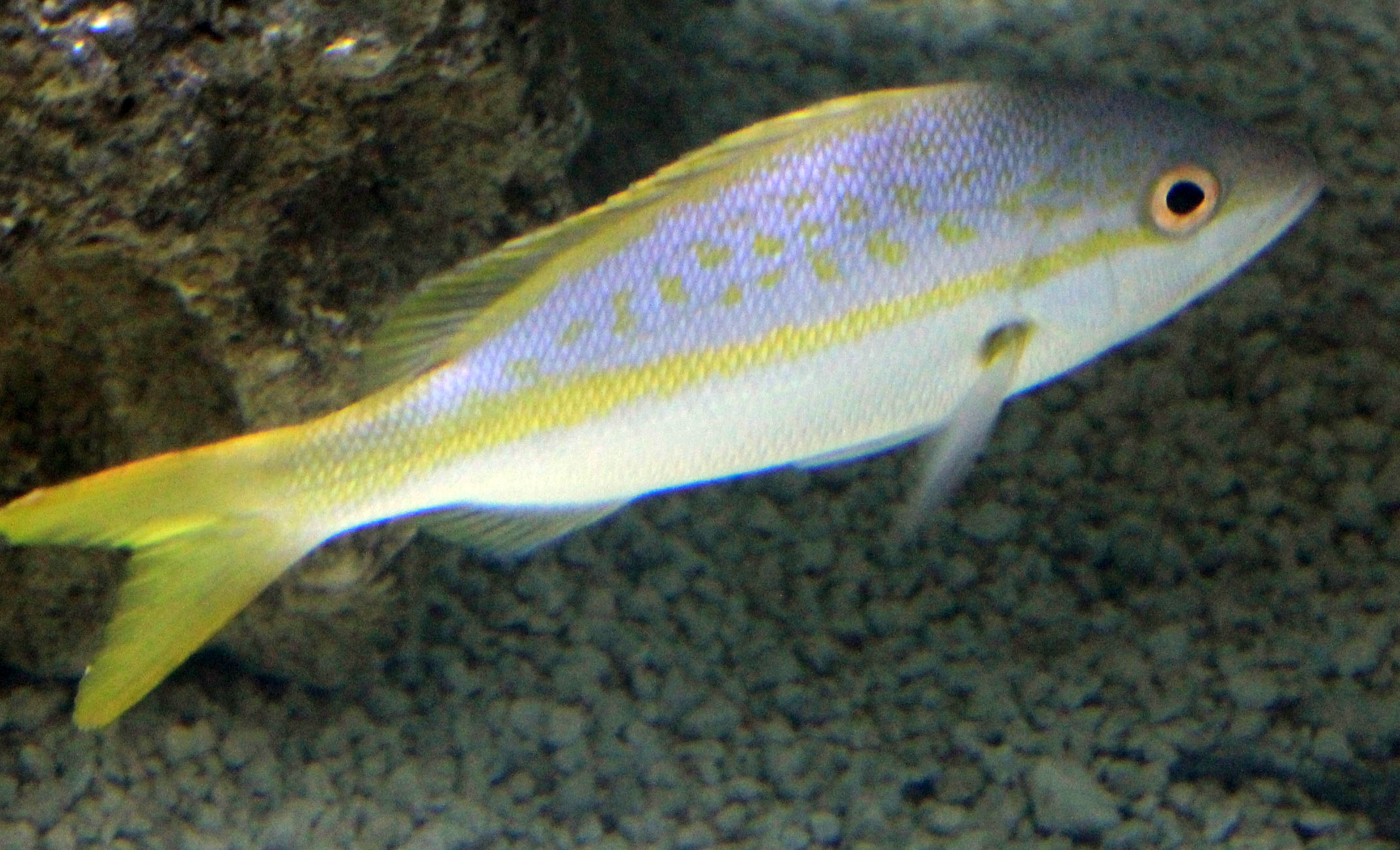
Lutjanidae— Snapper
2 speciesSnappers — firm white flesh with a slightly sweet flavour. Popular across the Gulf of Mexico, Caribbean, and Southeast Asia.
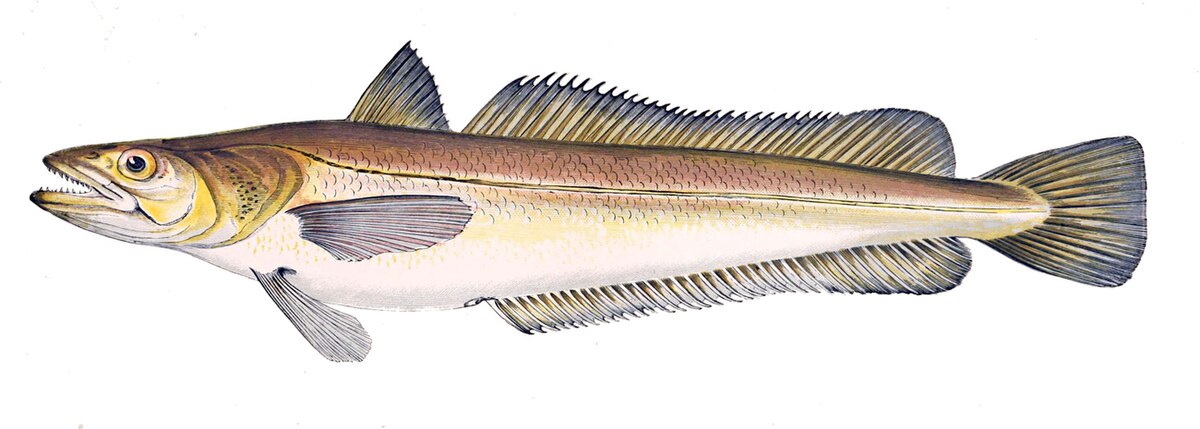
Merlucciidae— Hake
1 speciesHake — mild and delicate, a staple of Spanish and Portuguese cooking. Excellent poached, baked, or fried.
Moronidae— Sea Bass
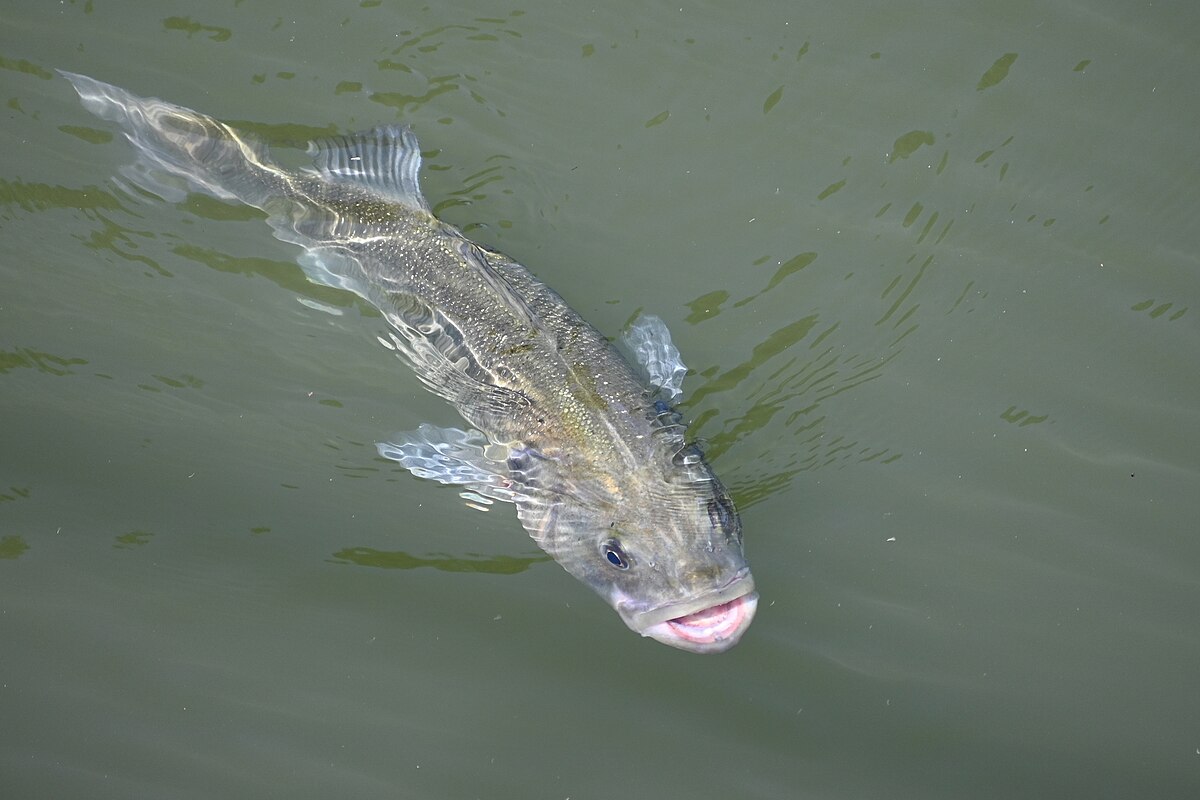
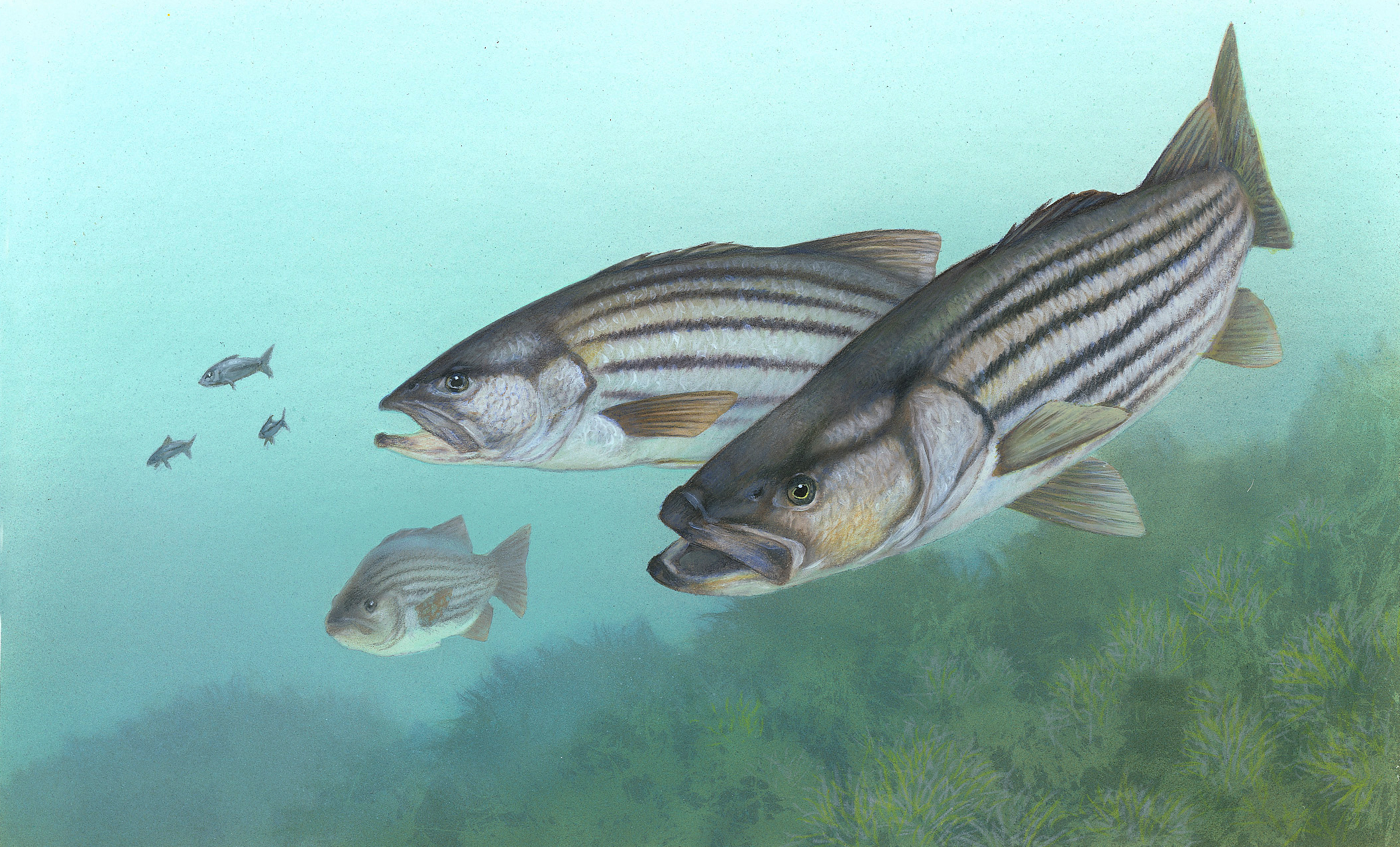
2 speciesSea bass and striped bass — firm, lean flesh with a clean flavour. Versatile enough for grilling, steaming, and en papillote.
Mullidae
1 species
Pleuronectidae— Flatfish
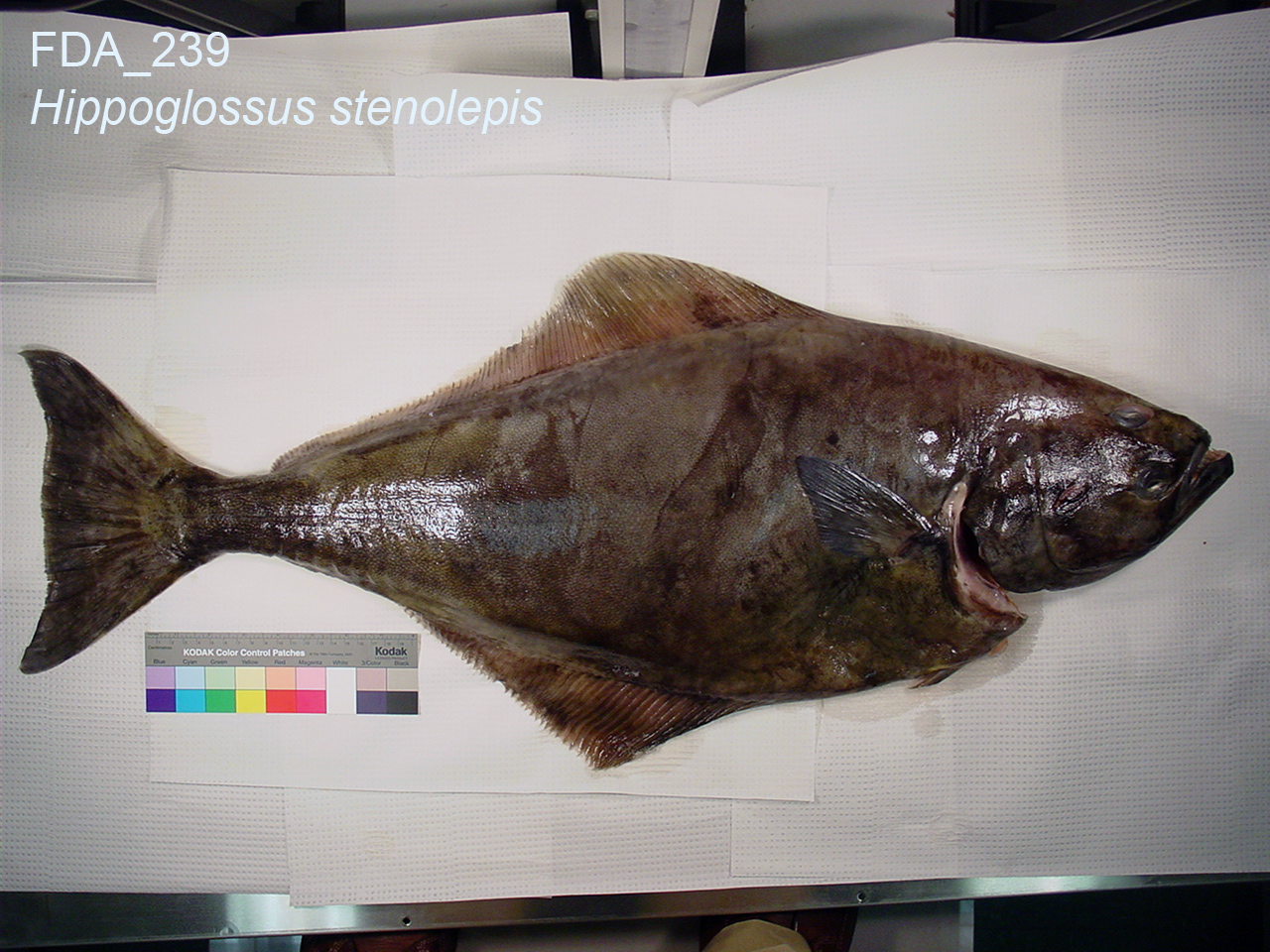
1 speciesFlatfish from cold waters — halibut, plaice, and flounder. Delicate flesh that suits poaching, pan-frying, and classical French preparations.
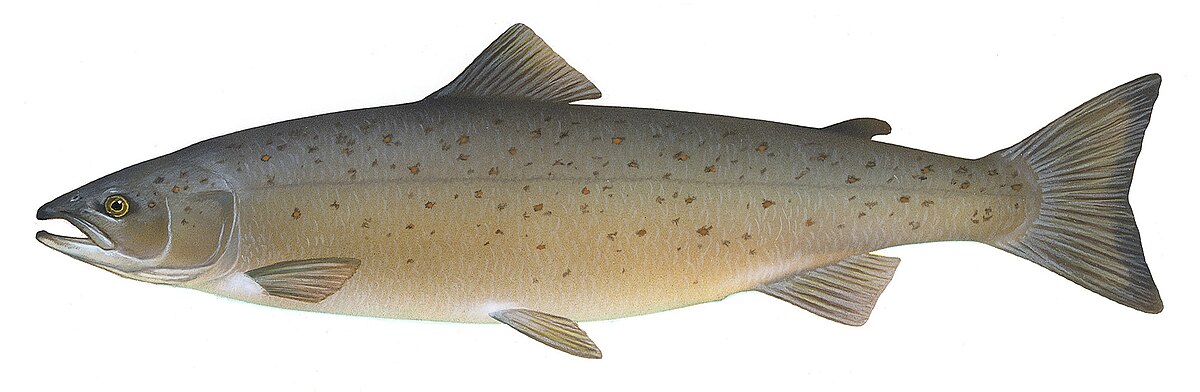
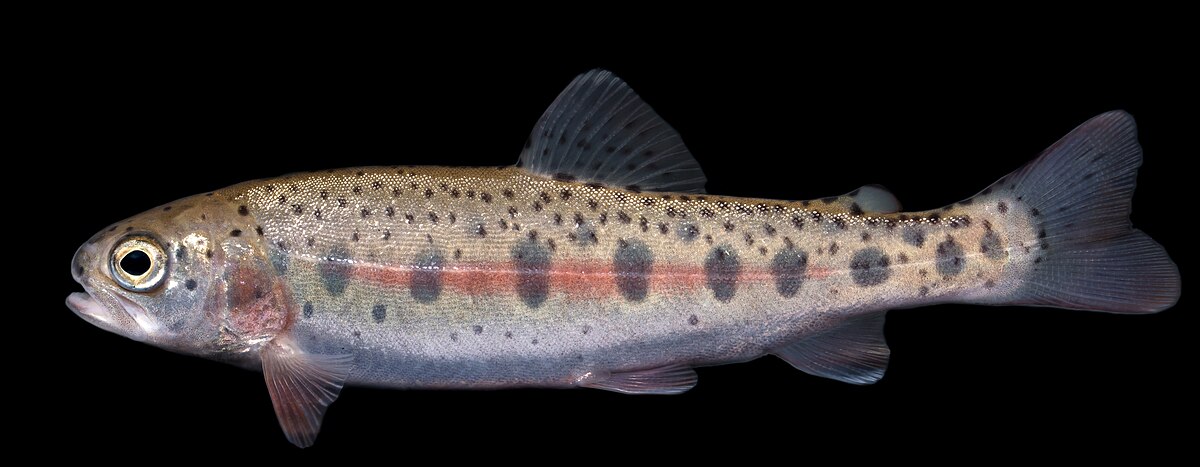
Salmonidae— Salmon & Trout
2 speciesThe salmon and trout family — rich in fat and omega-3s. Suited to smoking, curing, grilling, and raw preparations across northern cuisines.
Sciaenidae
1 species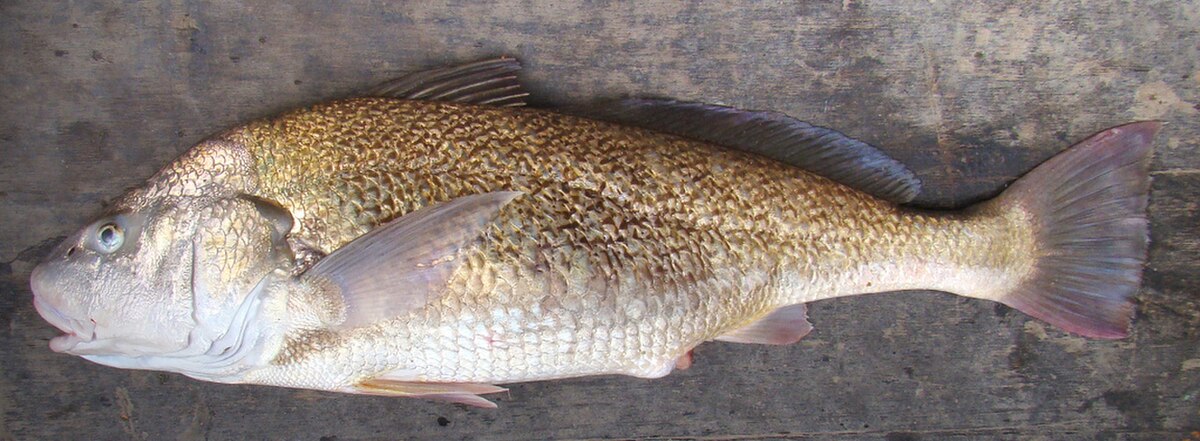
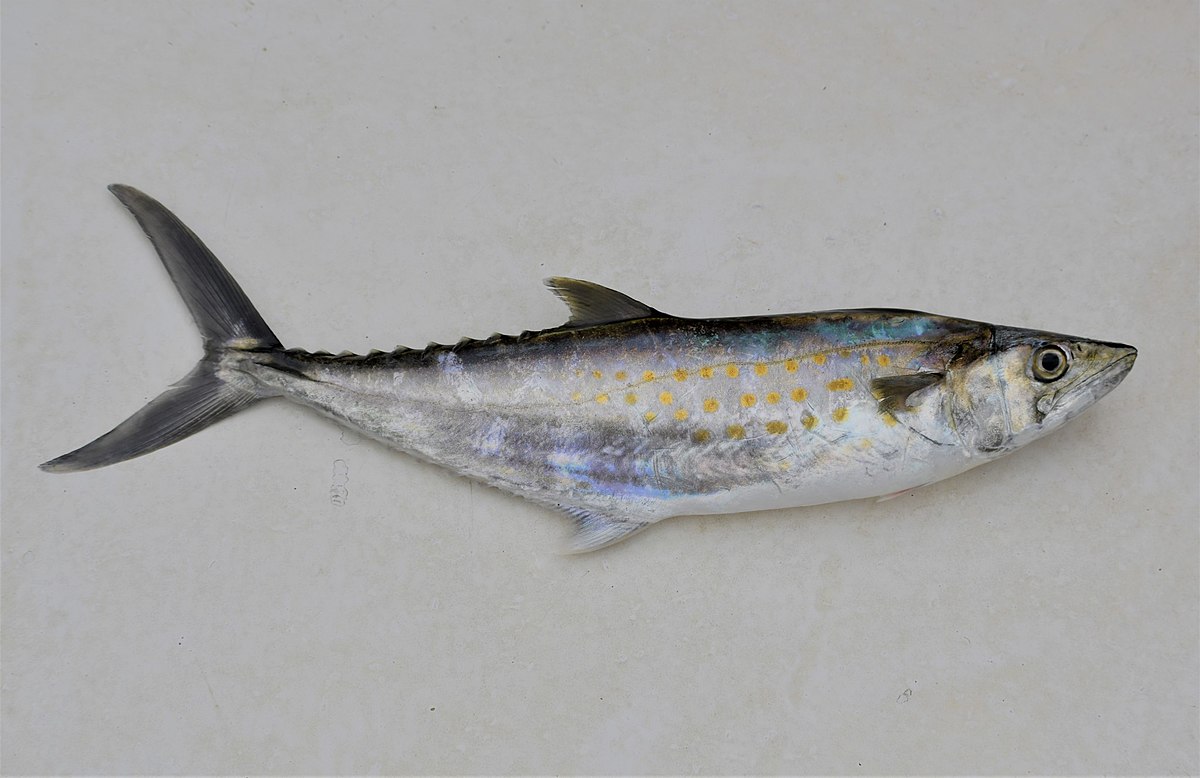
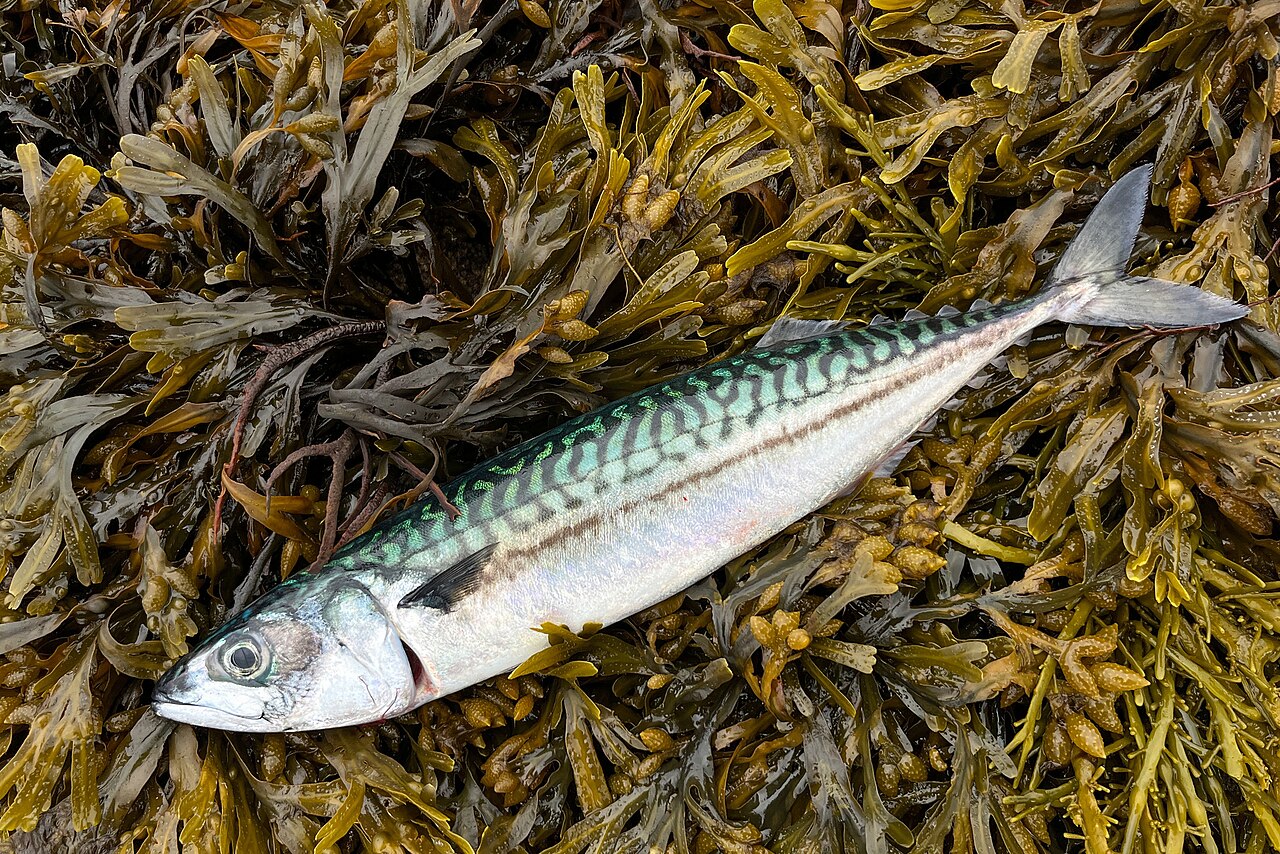
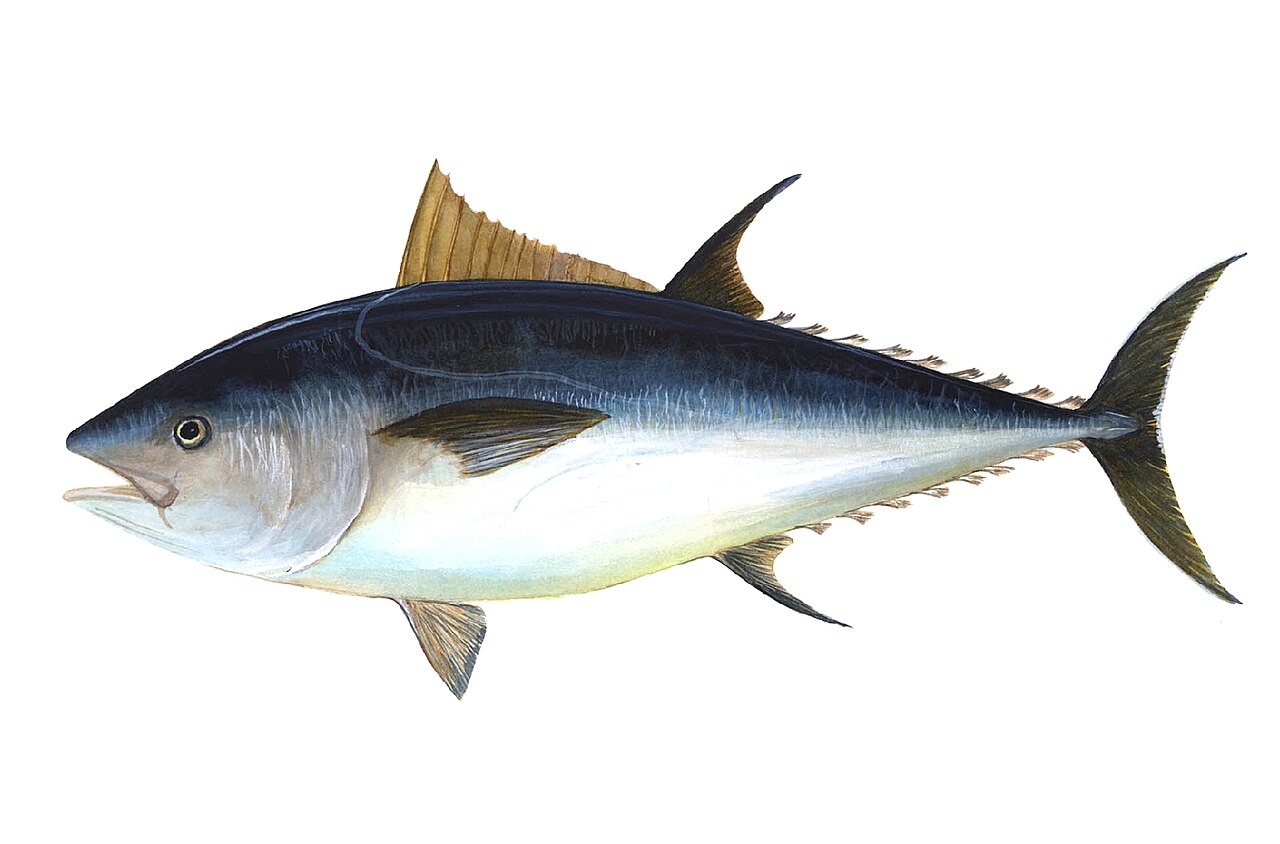
Scombridae— Tuna & Mackerel
4 speciesIncludes tuna, mackerel, and bonito — oily and intensely flavoured. Best seared, grilled, or eaten raw as sashimi.

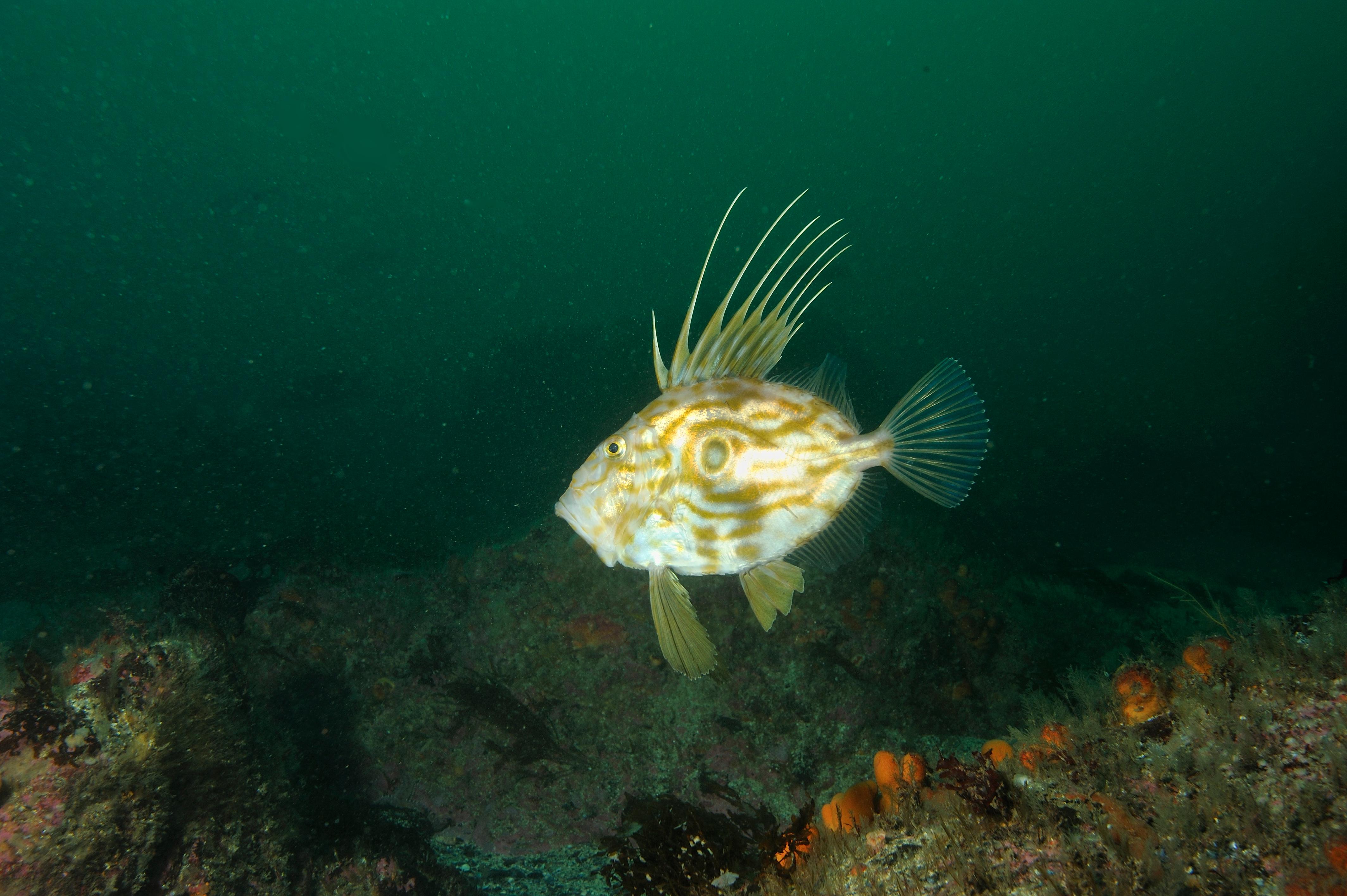
Scophthalmidae
1 species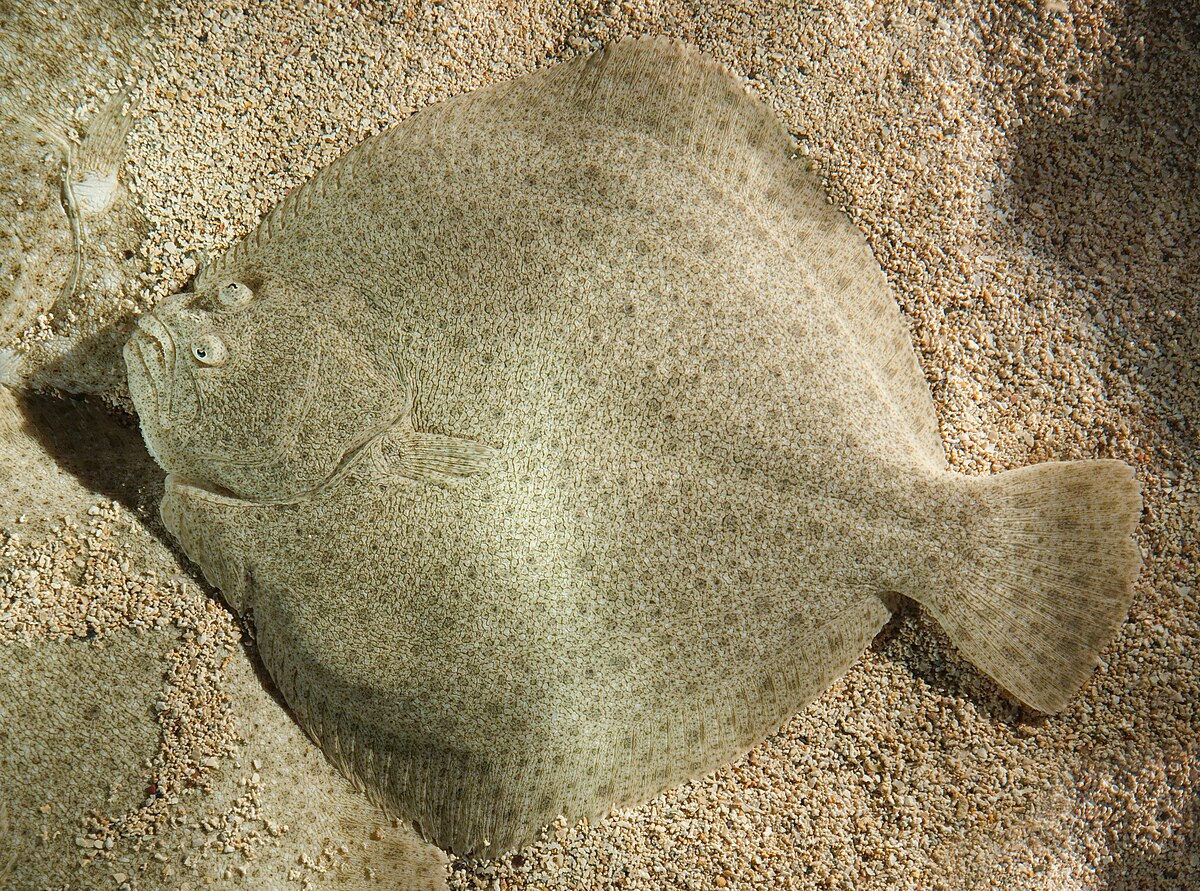
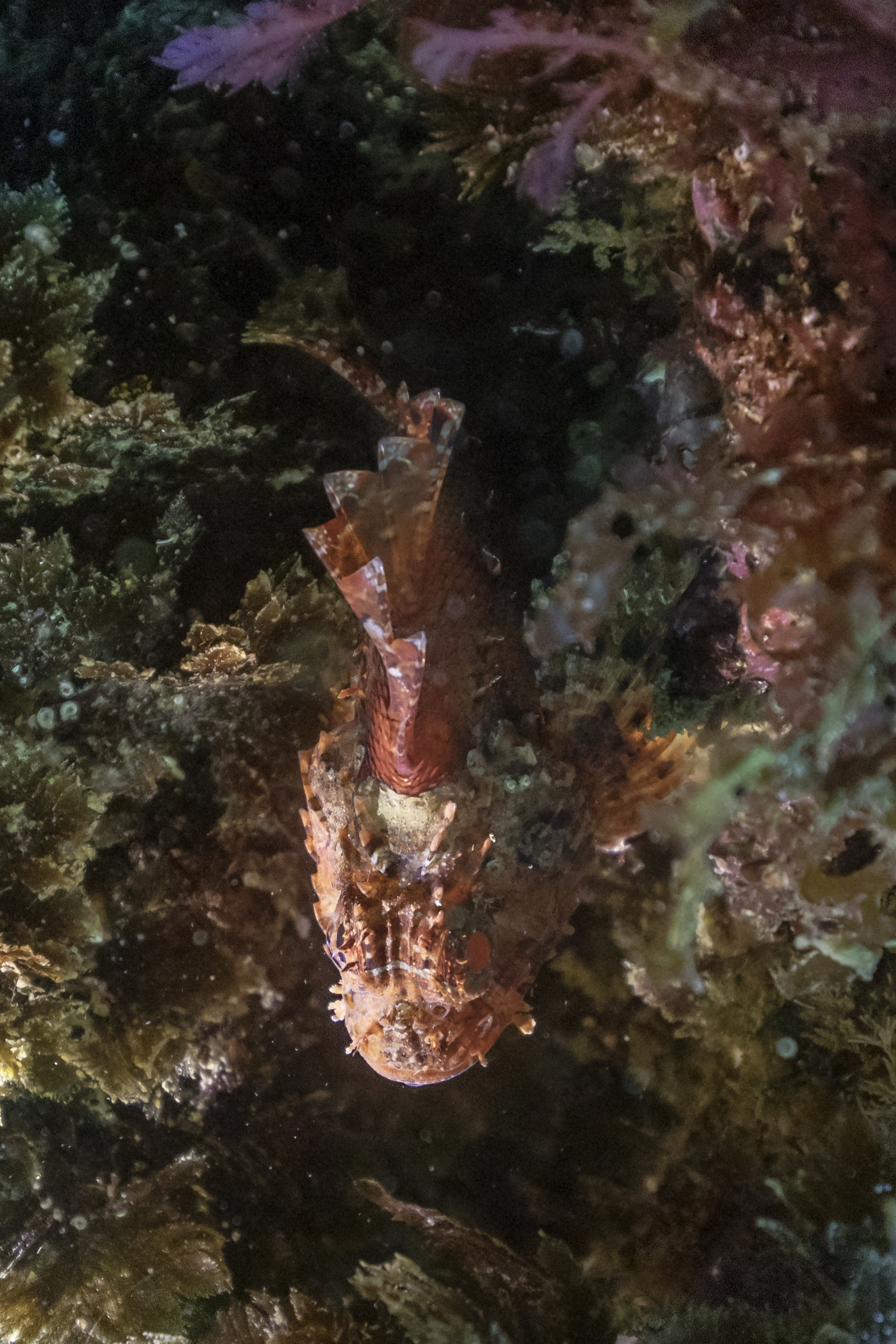
Scorpaenidae— Scorpionfish
1 speciesScorpionfish and rascasse — essential to bouillabaisse and other Mediterranean fish soups for their depth of flavour.
Sebastidae
1 species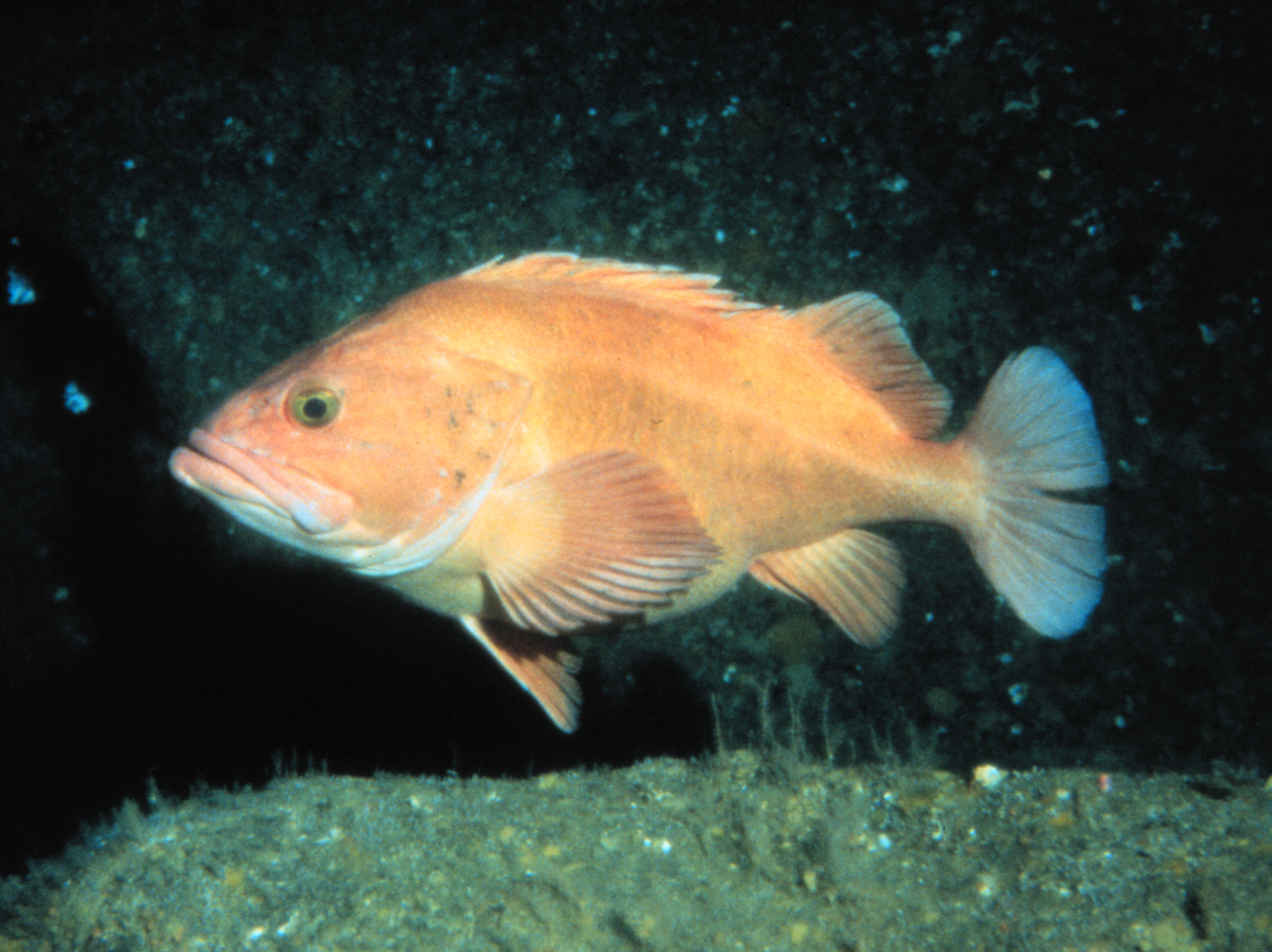
Serranidae— Grouper
1 speciesGrouper and sea bass relatives — meaty and mild. A staple of Mediterranean and Caribbean cooking.

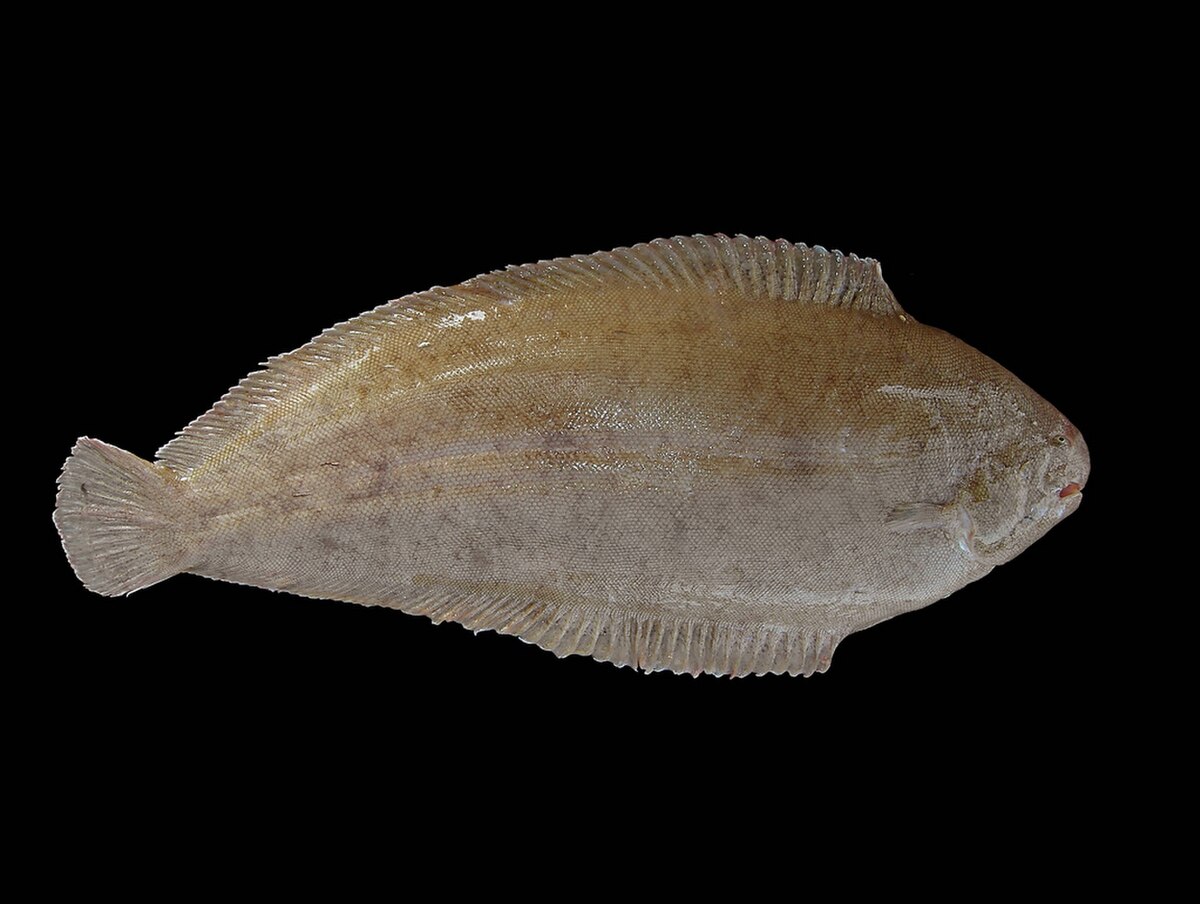
Soleidae— Sole
1 speciesSole — the finest of the flatfish. Thin, delicate, and traditionally the centrepiece of French haute cuisine.
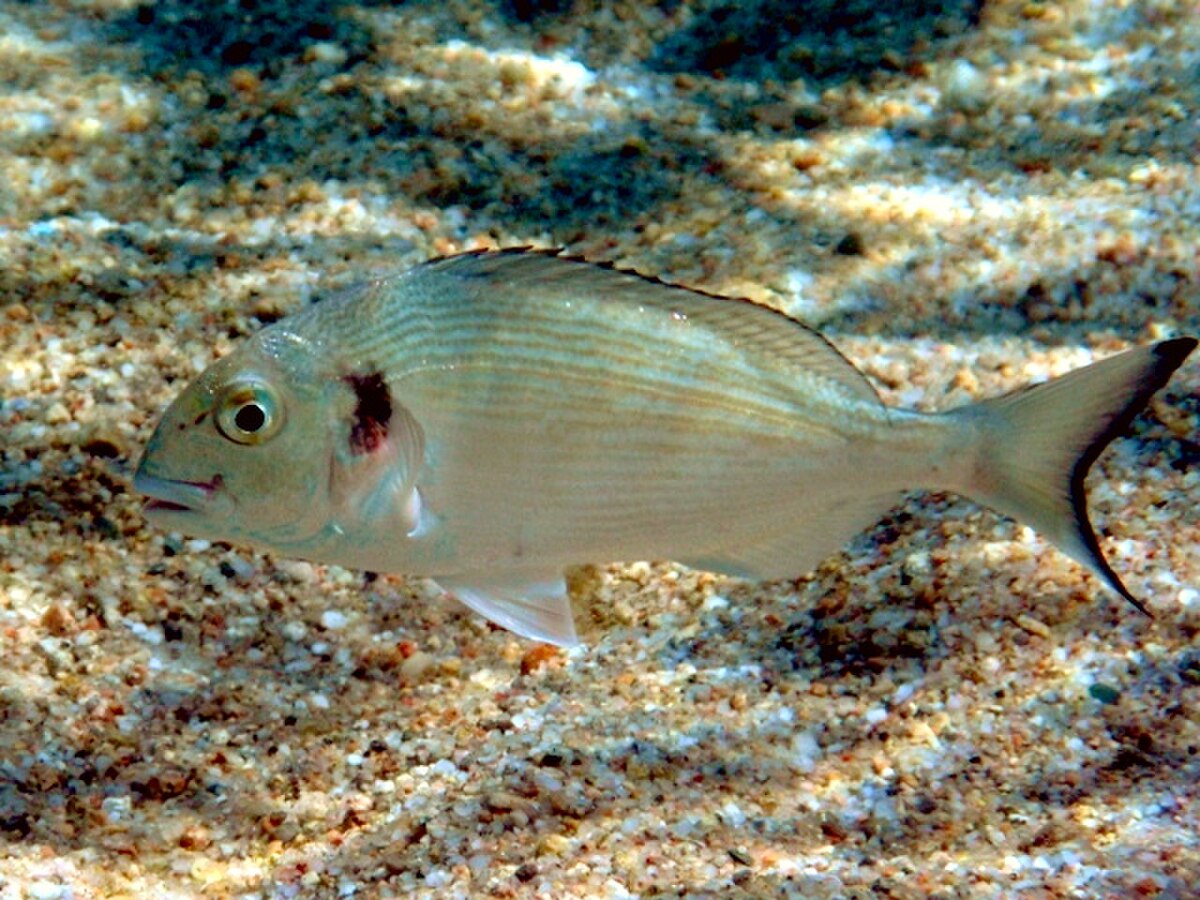
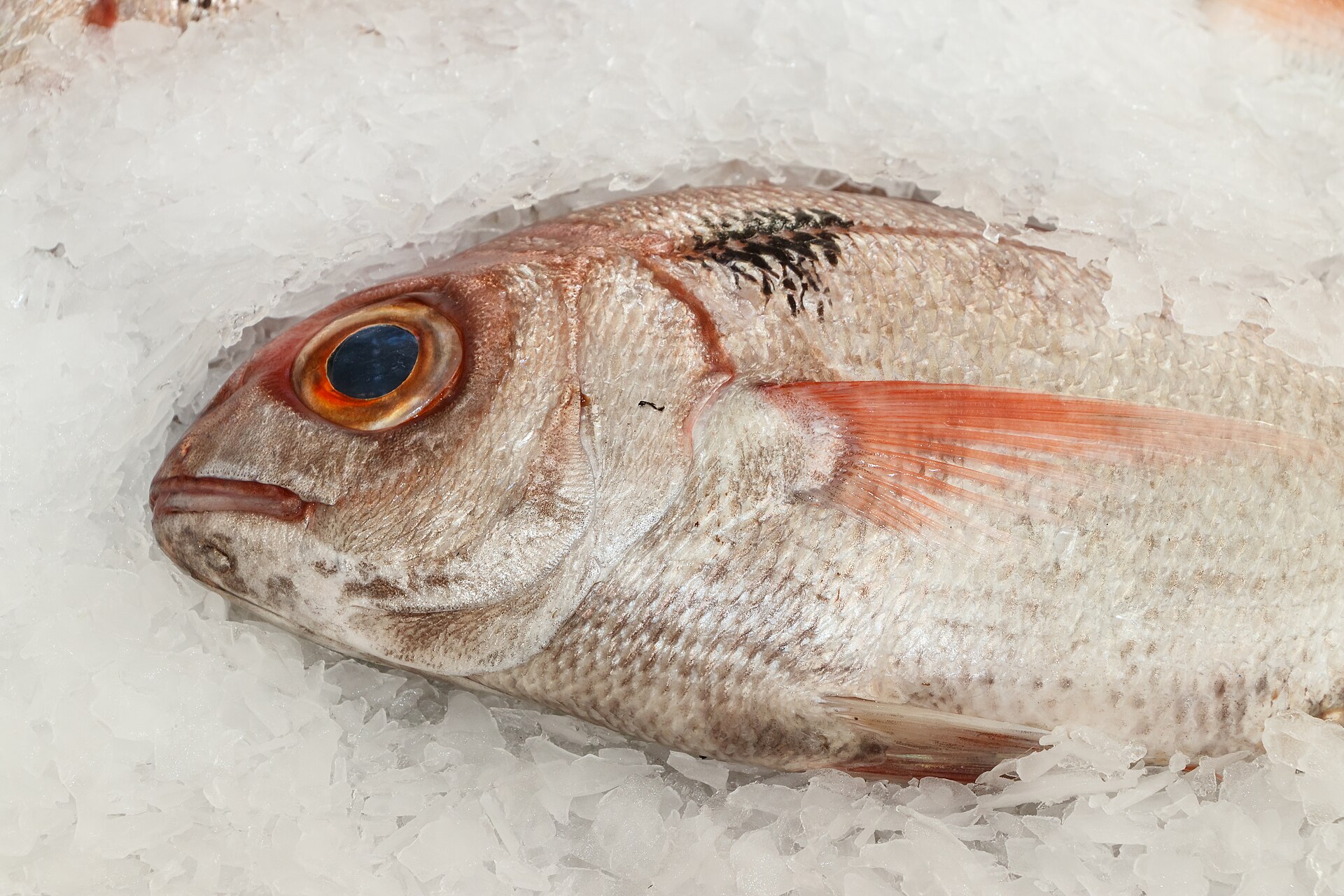
Sparidae— Sea Bream & Porgy
2 speciesSea bream and porgies — delicate white flesh prized in Mediterranean cooking. Best roasted whole or grilled over coals.
Trichiuridae
1 species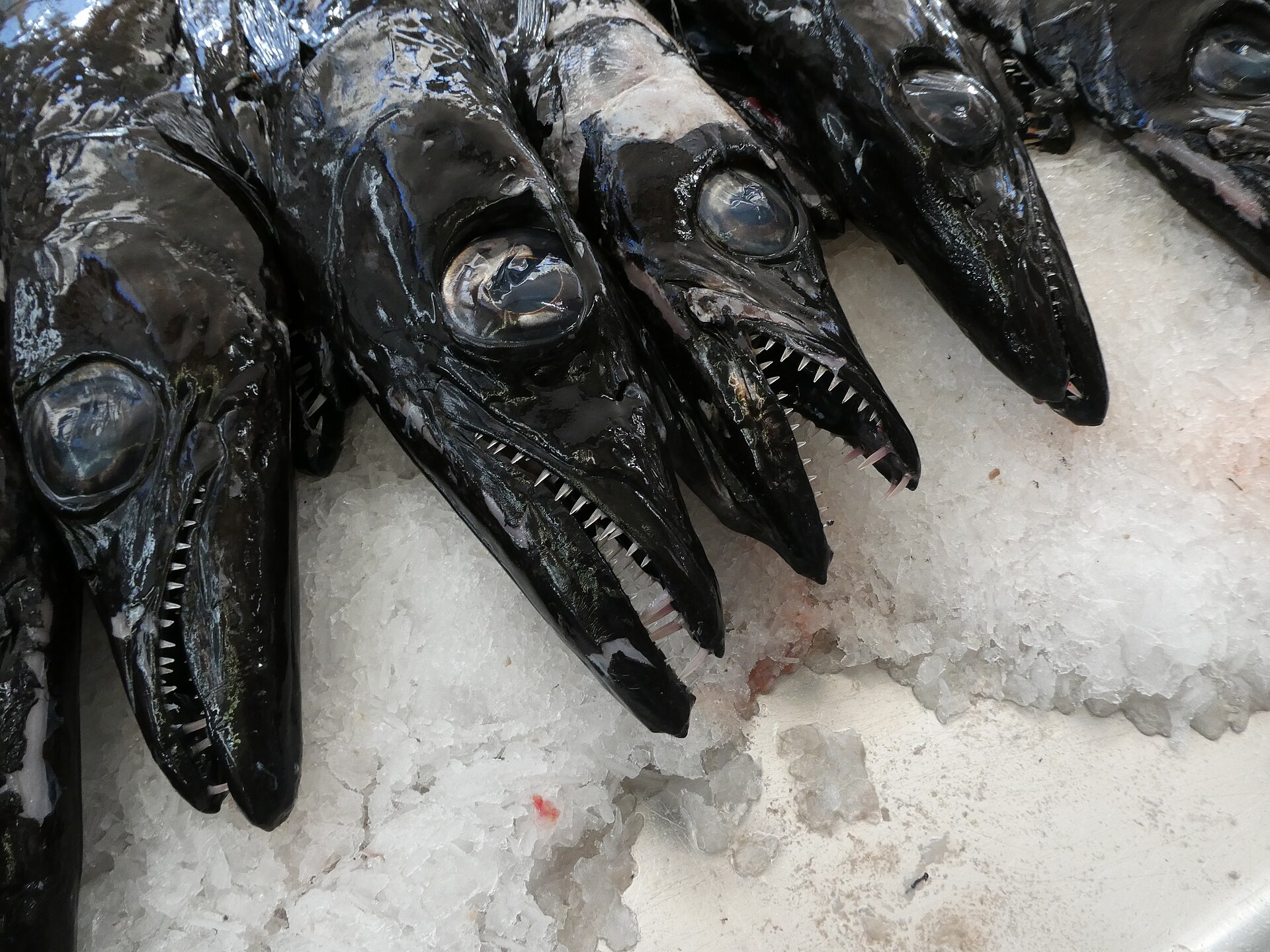
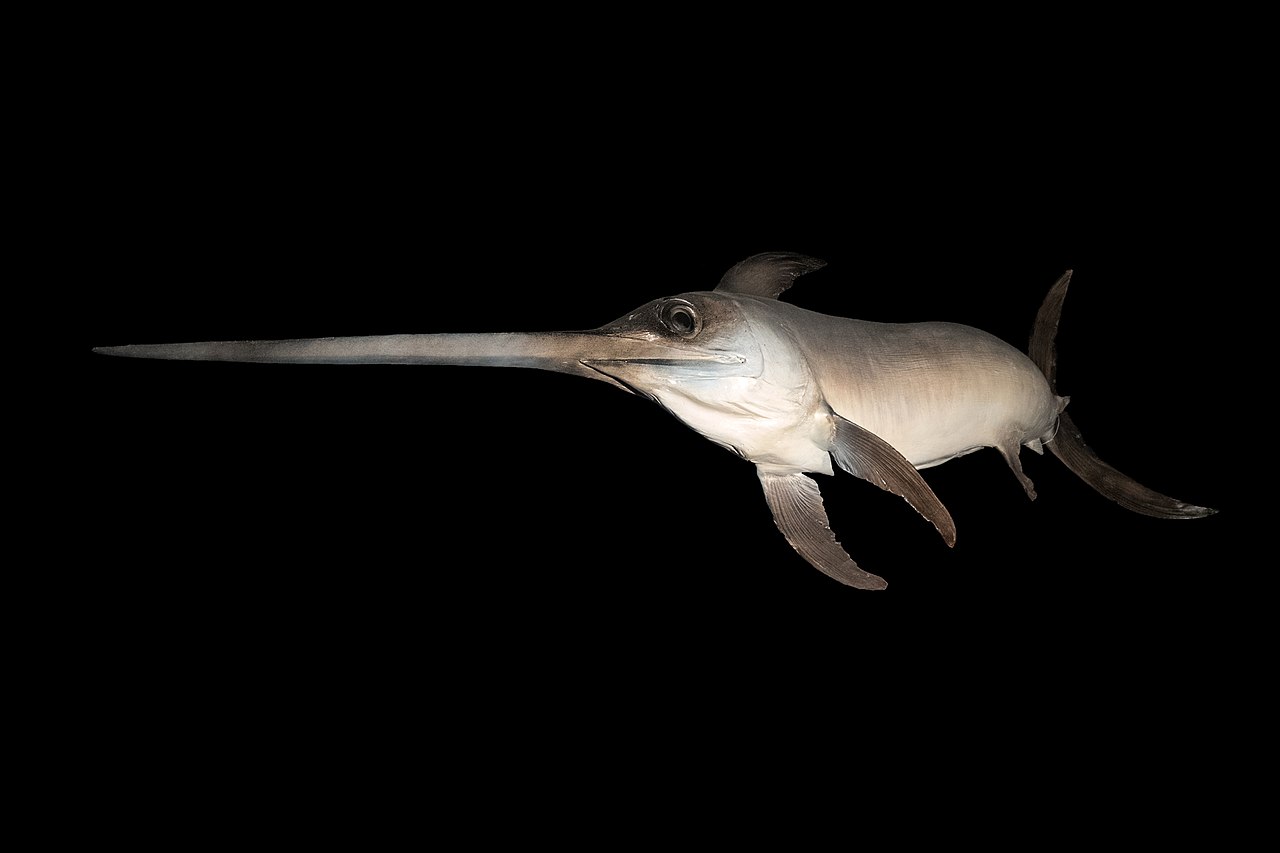
Xiphiidae— Swordfish
1 speciesSwordfish — firm, meaty, and mild. Grills exceptionally well and holds its own against bold marinades.