Lamb is one of the oldest domesticated animals in world cuisine — celebrated in the slow-cooked stews of the British Isles, the spiced grills of North Africa, the roasted legs of France, and the kebabs of the Middle East. The same rack of lamb might be called carré d'agneau in Paris or costillar de cordero in Madrid. Click any region on the diagram to jump to that section.
Select a primal to see its cuts
Could you place a cut on this diagram?
That's one of the five questions in today's puzzle.
Try the quiz →Neck
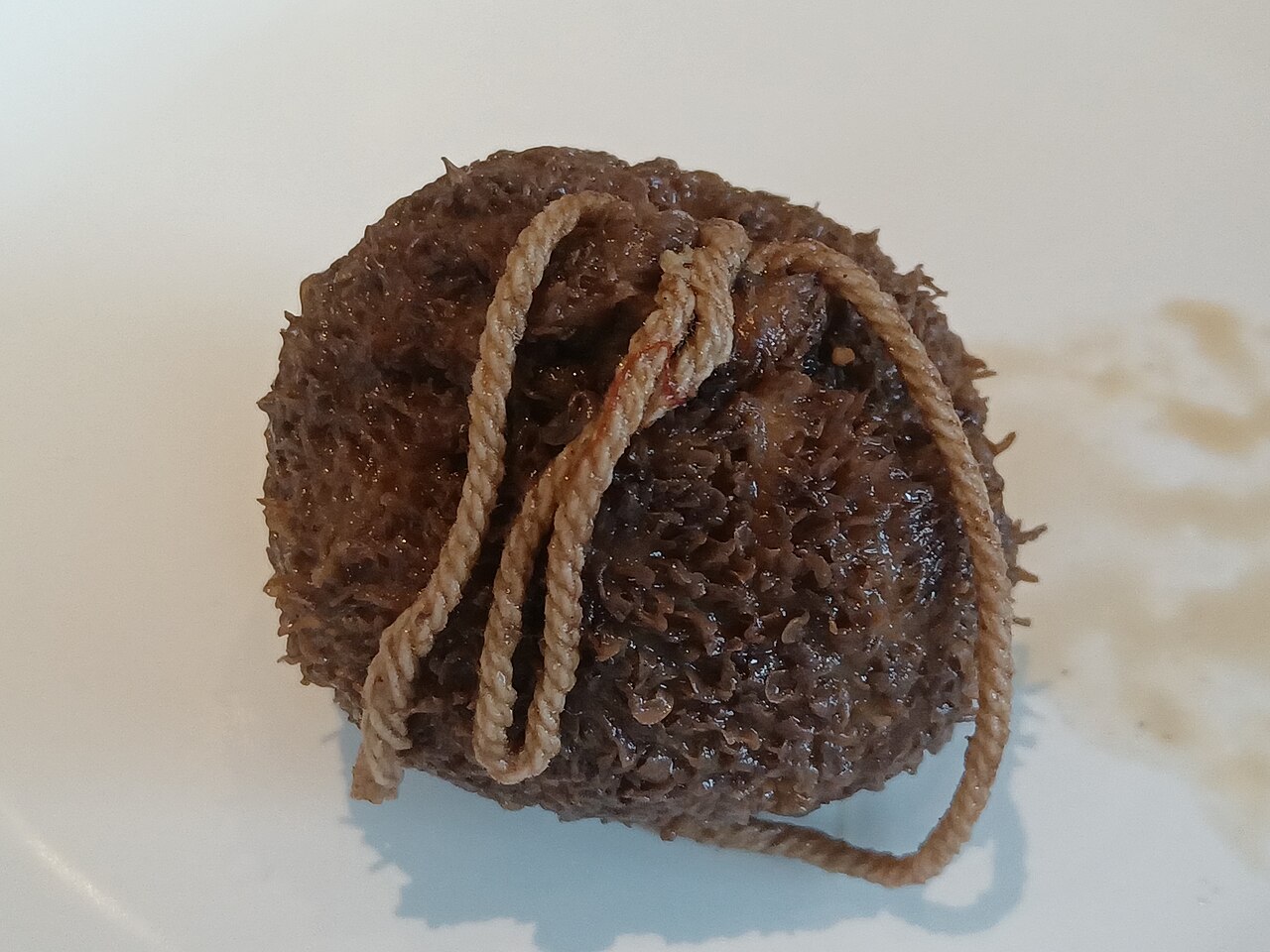
1 cutThe scrag end and middle neck — inexpensive, gelatinous, and full of flavour. Best suited to long, slow braises and stews such as Irish stew and Lancashire hotpot.
Rack
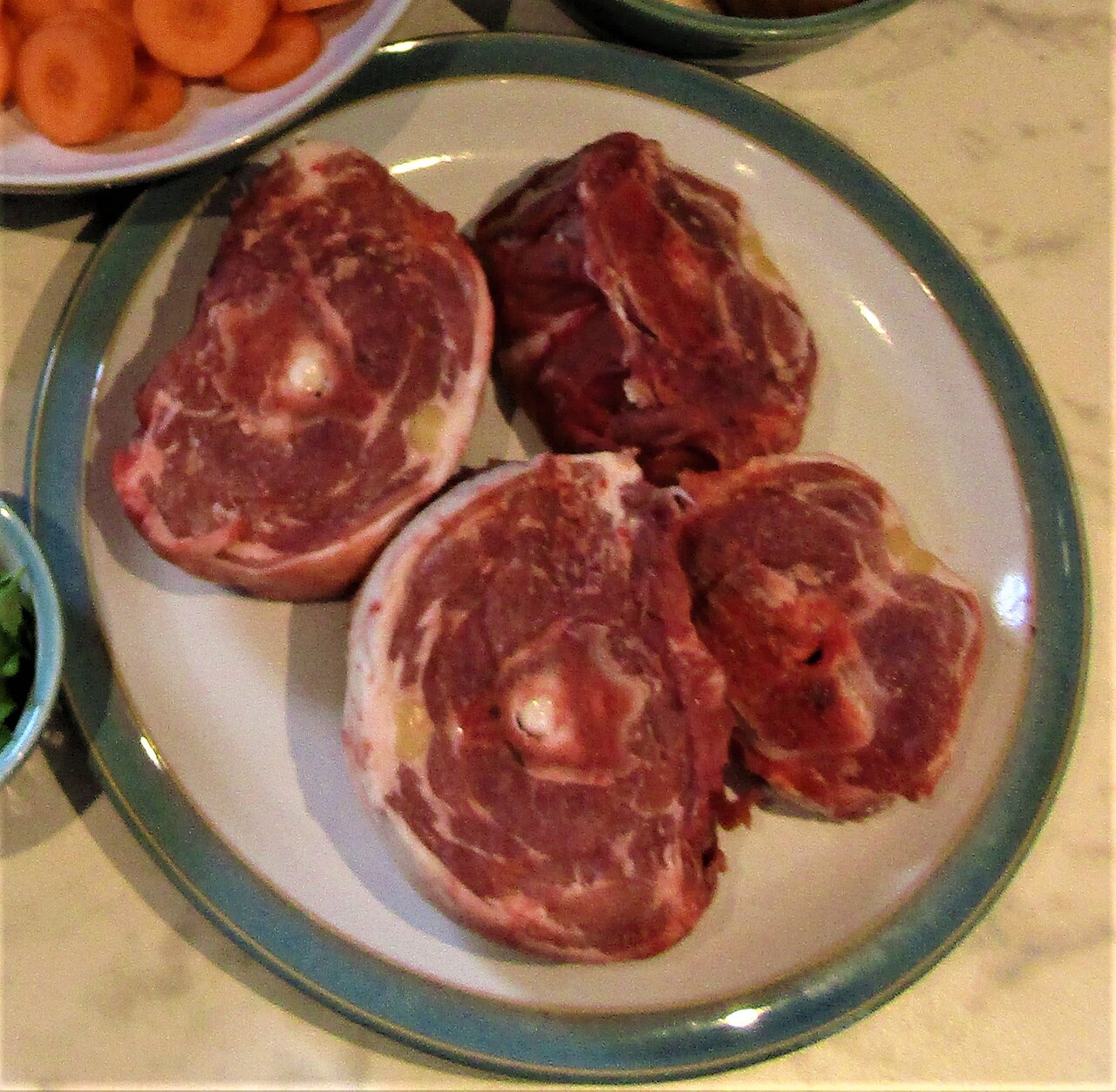
2 cutsThe best end of neck — eight rib bones from the upper back. Roasted whole as a rack of lamb or cut into elegant cutlets. One of the most prized lamb primals.

Loin
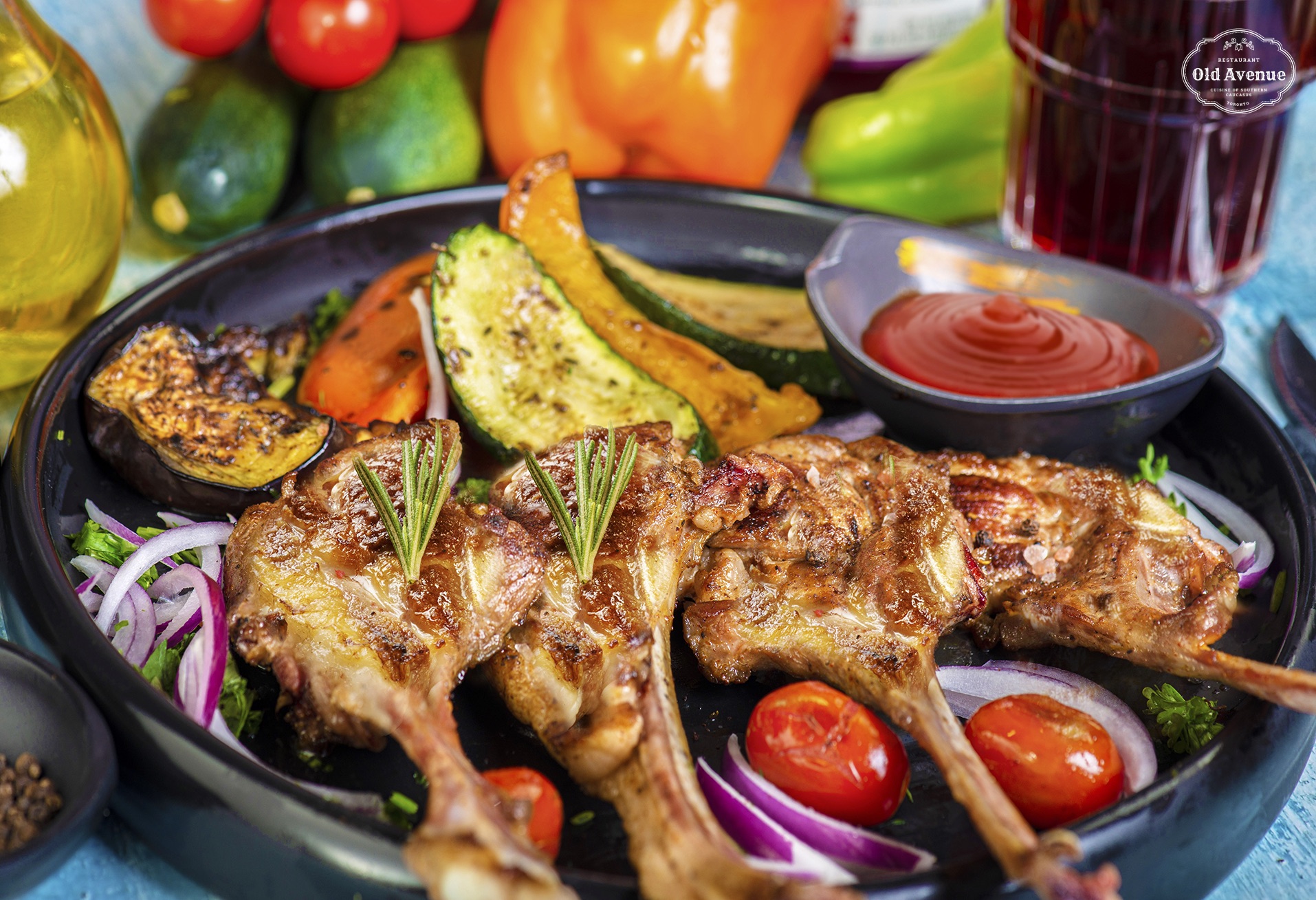
3 cutsThe saddle section behind the rack — source of loin chops, noisettes, and the whole saddle roast. Tender and lean with a delicate flavour.

Chump
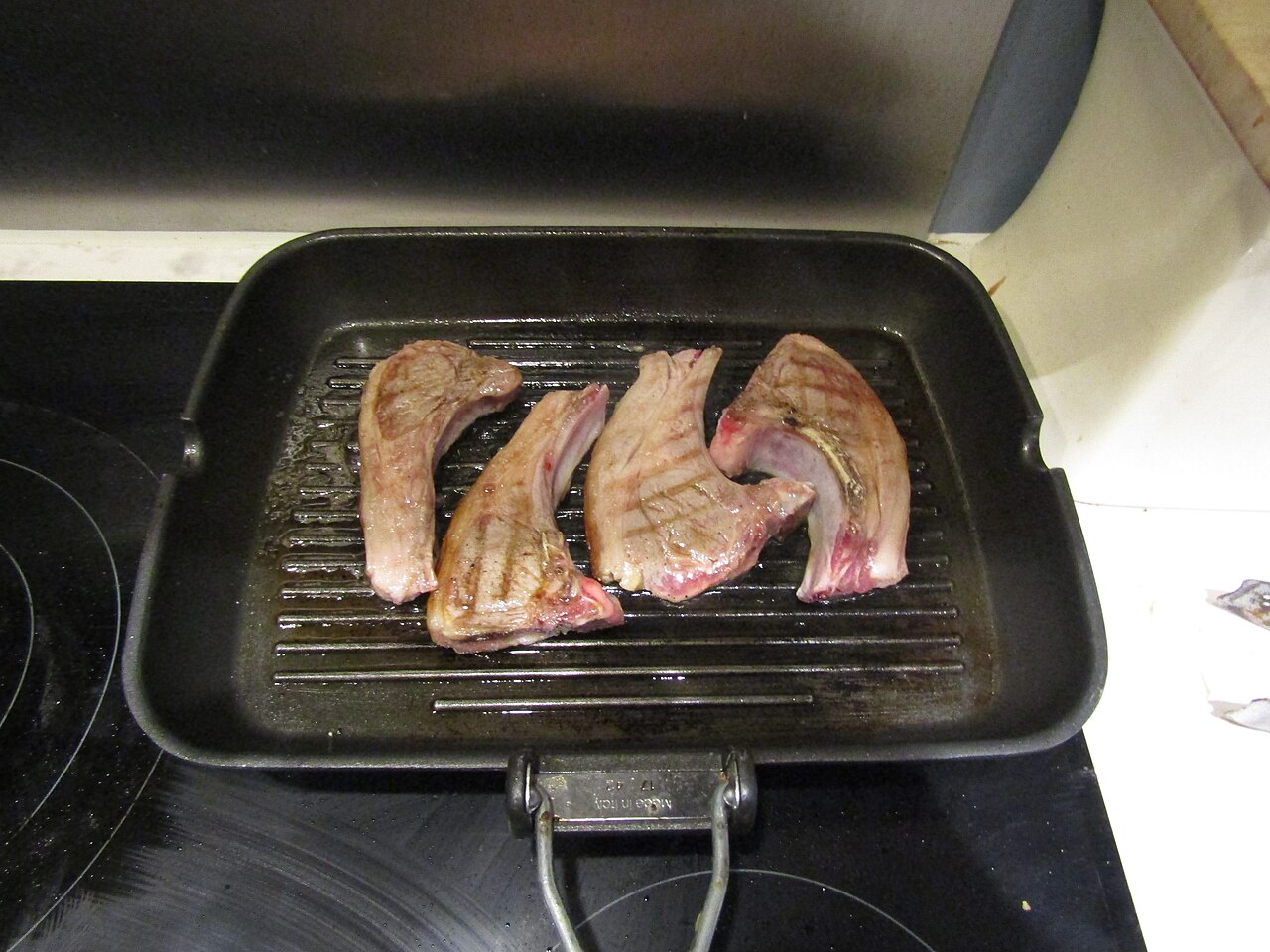
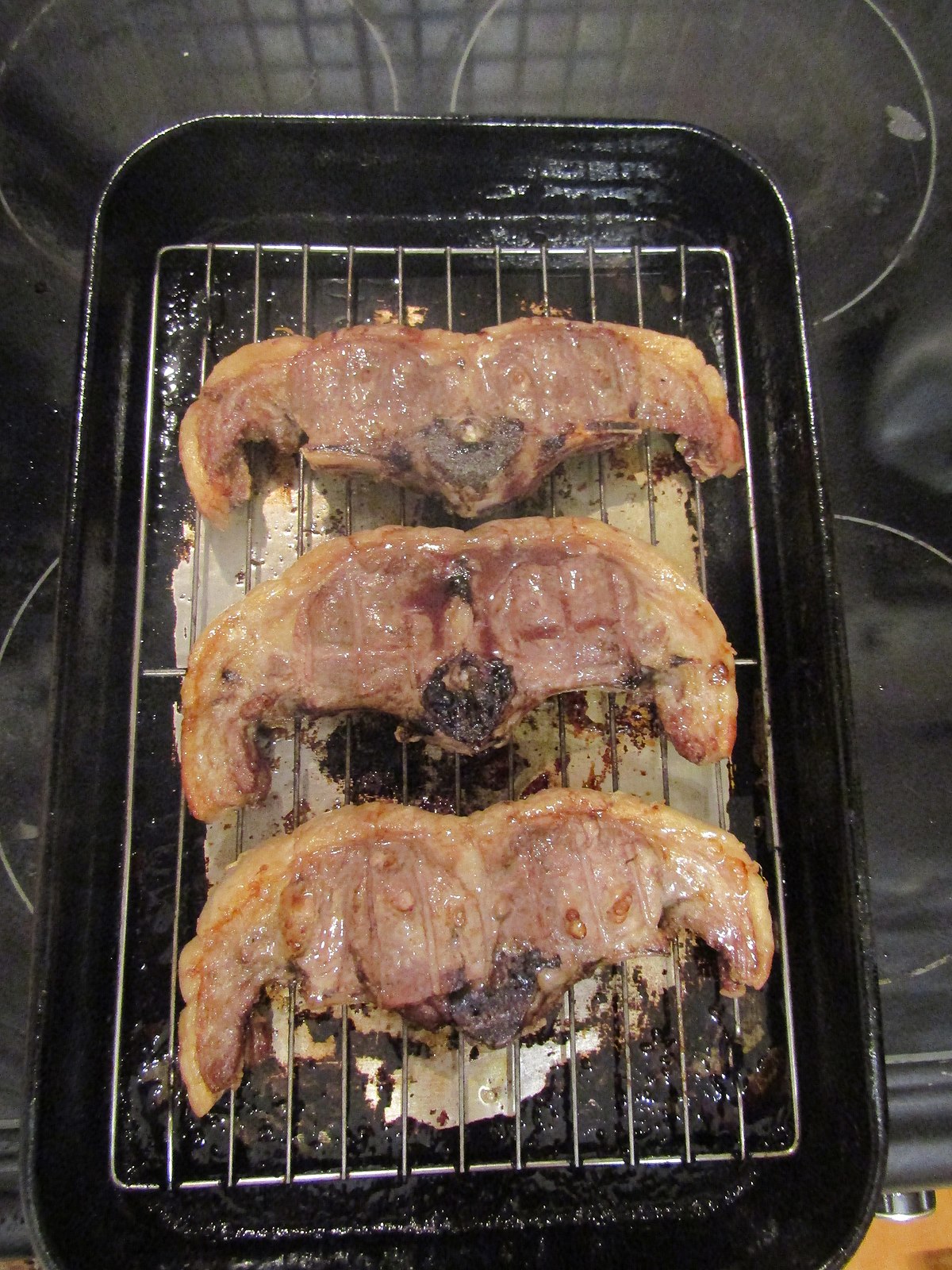
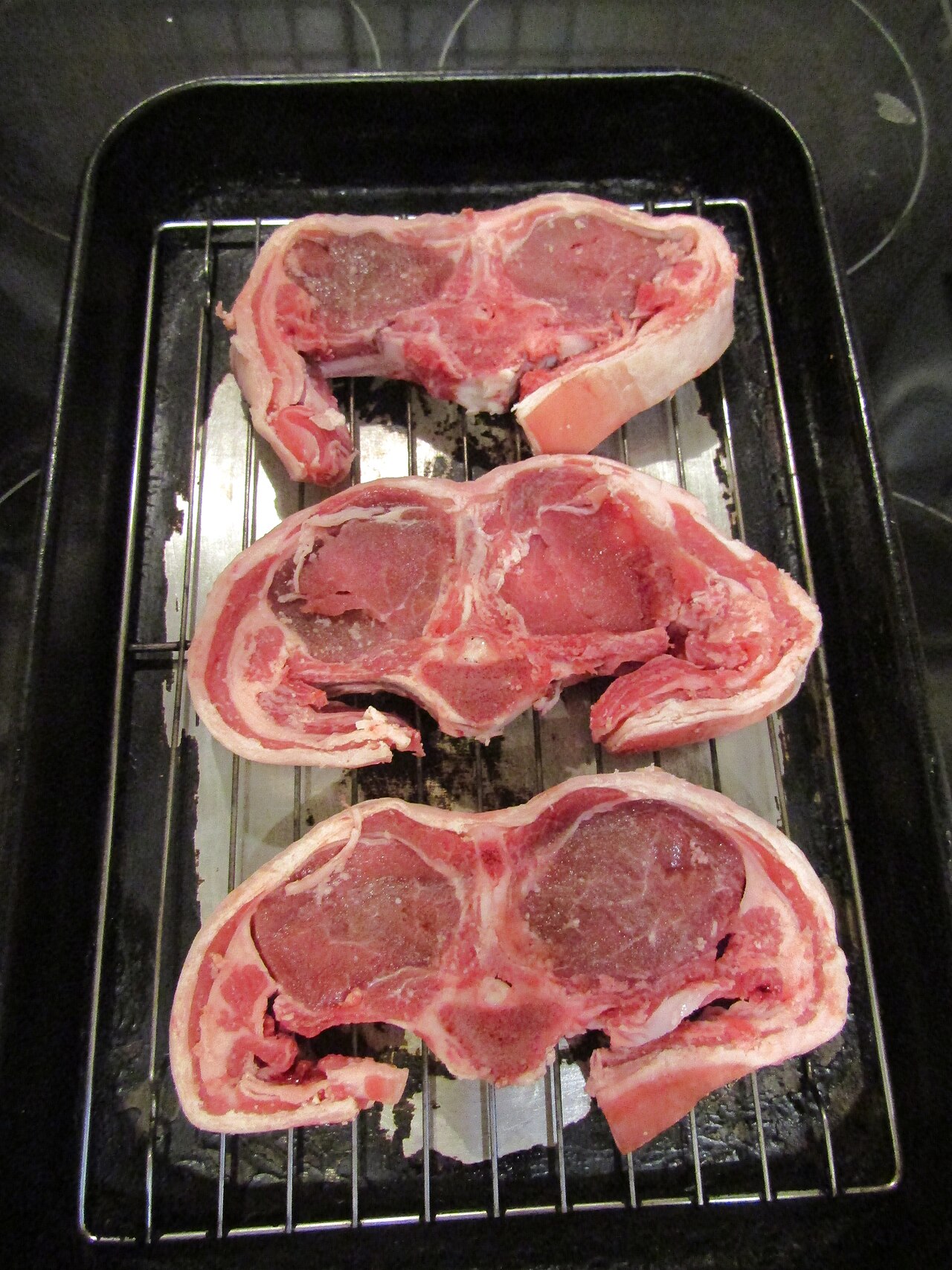
1 cutThe rump between the loin and the leg — a well-flavoured chump chop is a staple of the British grill. Also sold as a small roasting joint.
Leg
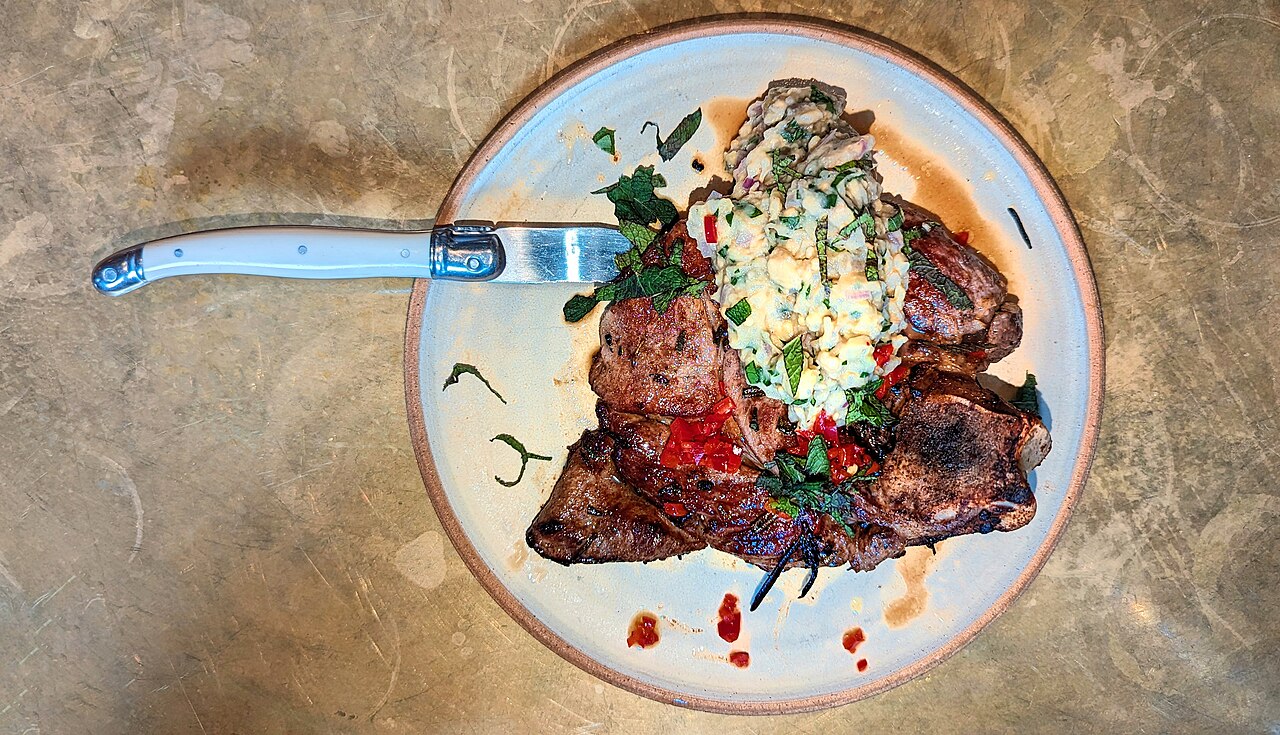
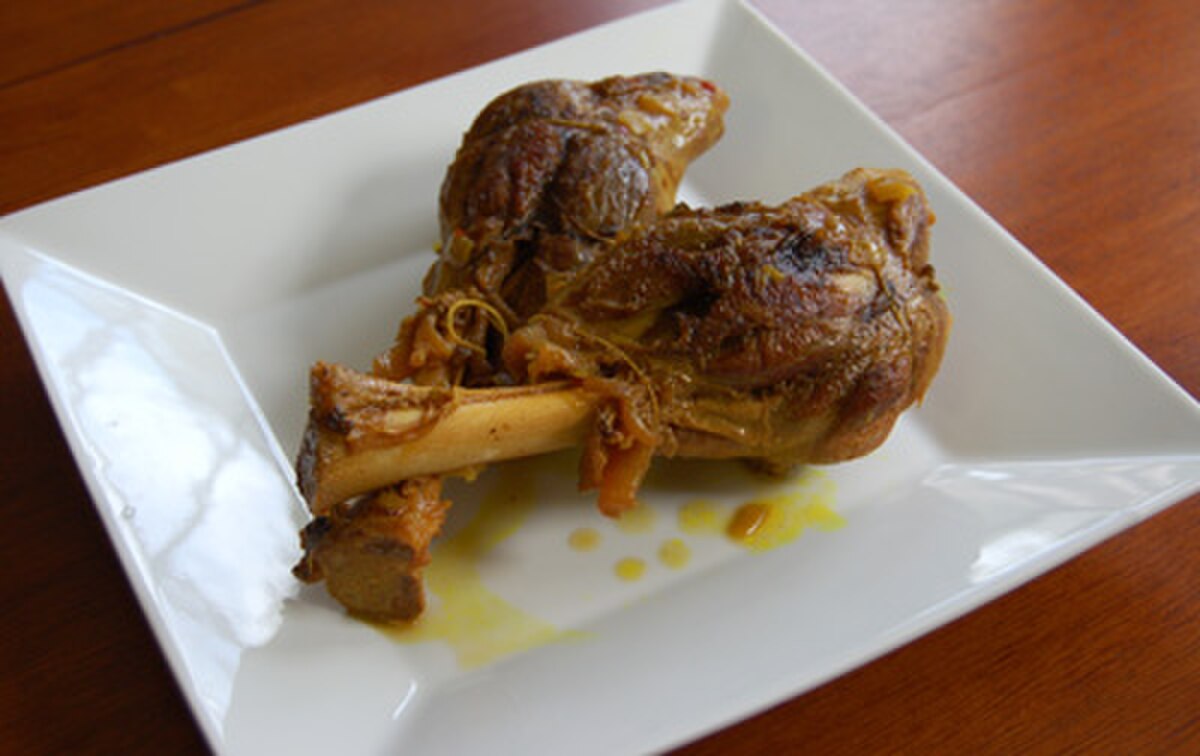
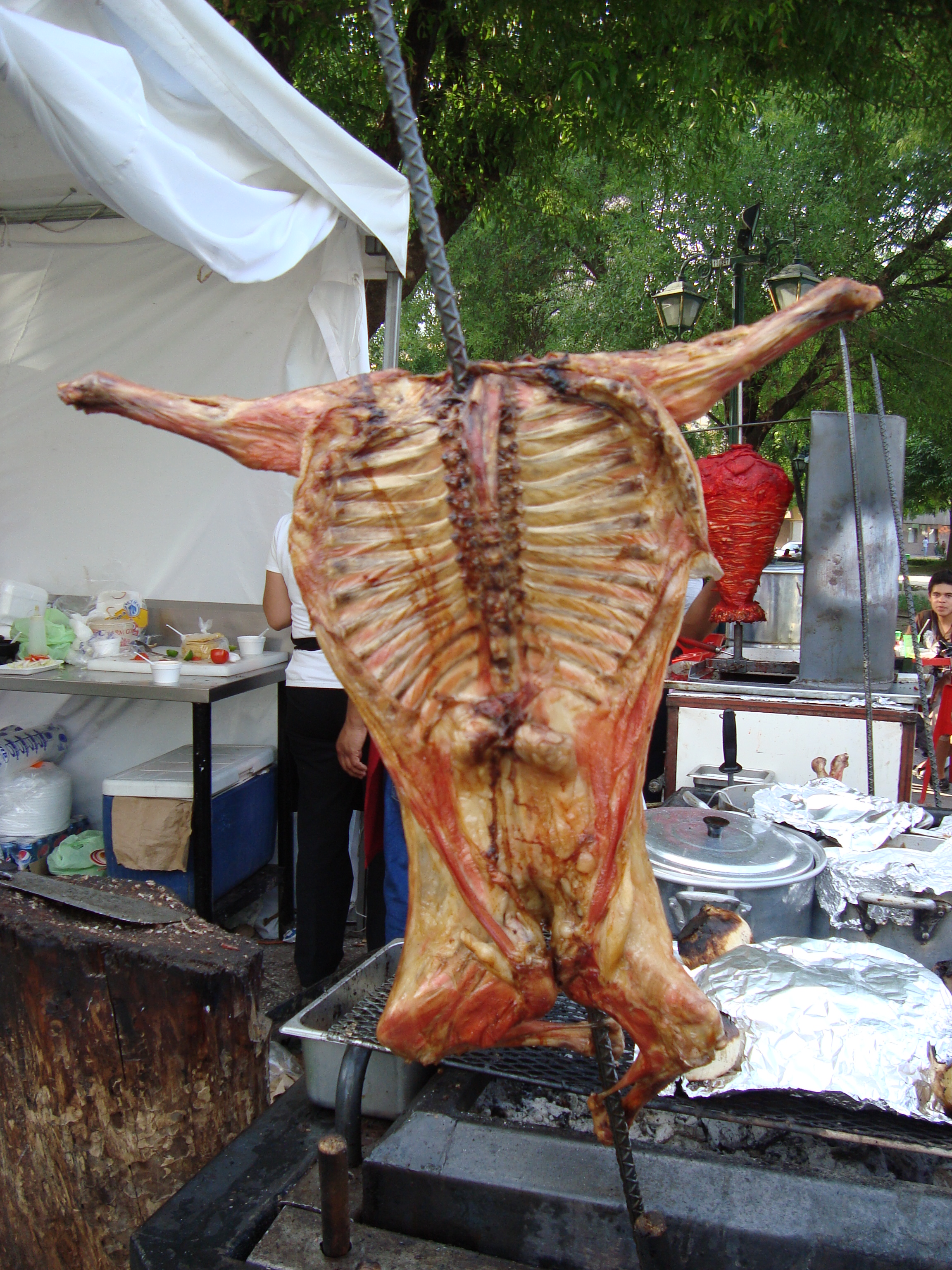
4 cutsThe whole rear quarter — the largest lamb primal. Sold bone-in or butterflied for roasting, or broken down into steaks and diced leg for kebabs and stews.

Shoulder
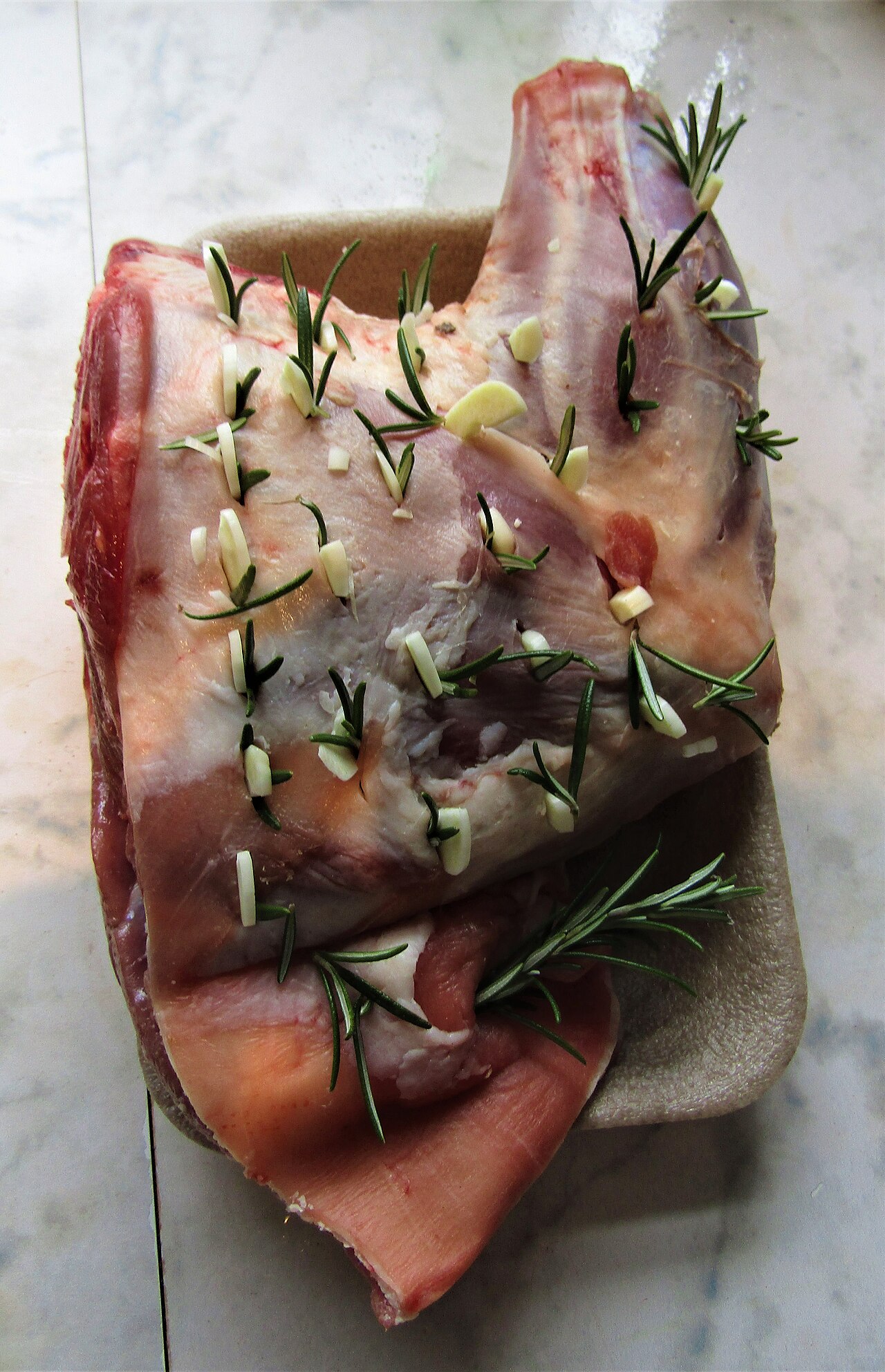
1 cutThe front quarter — more fat and connective tissue than the leg, making it ideal for slow roasting or pulling. Highly flavourful and often sold bone-in.
Breast
1 cutThe belly of the lamb — layered fat and meat that becomes rich and unctuous when braised or rolled and slow-roasted. Underused but deeply rewarding.