$$ · roasts, smokers, and long cooks
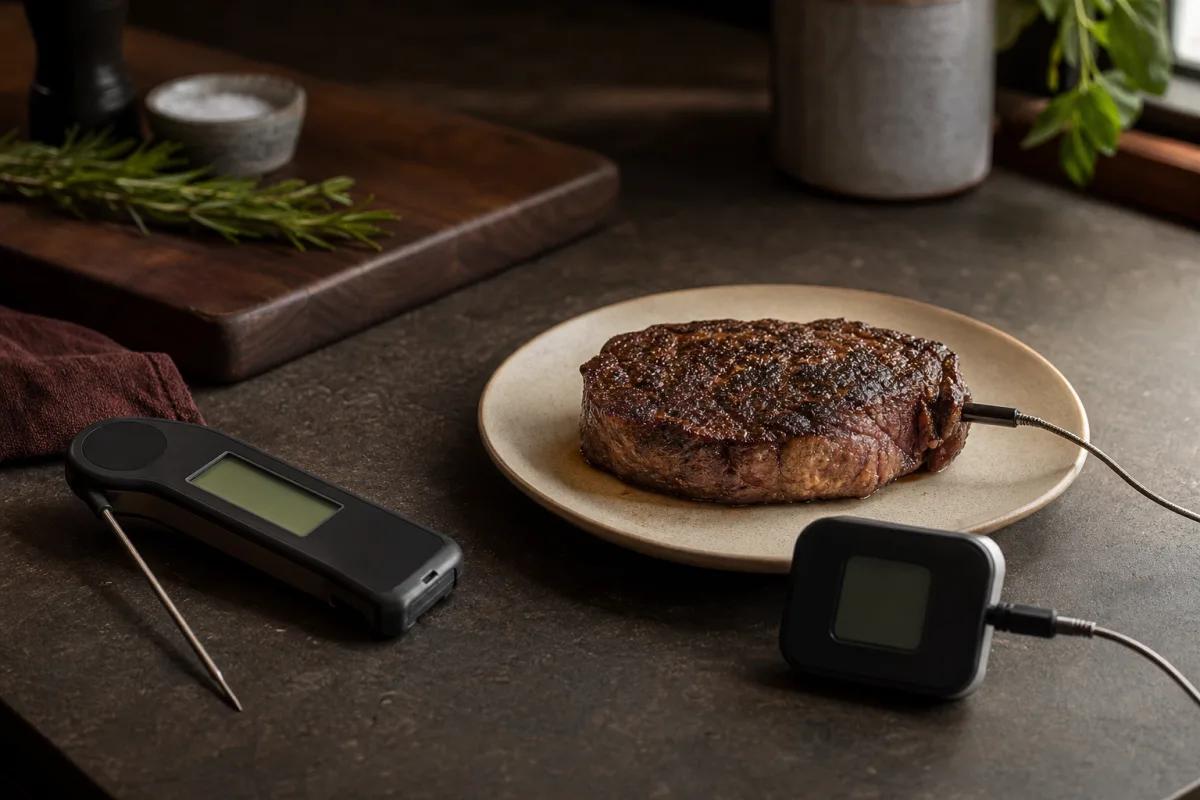
Track a brisket overnight without opening the lid
Monitoring large cuts where opening the smoker or oven would cost heat.
ThermoPro TP20 Wireless Meat Thermometer

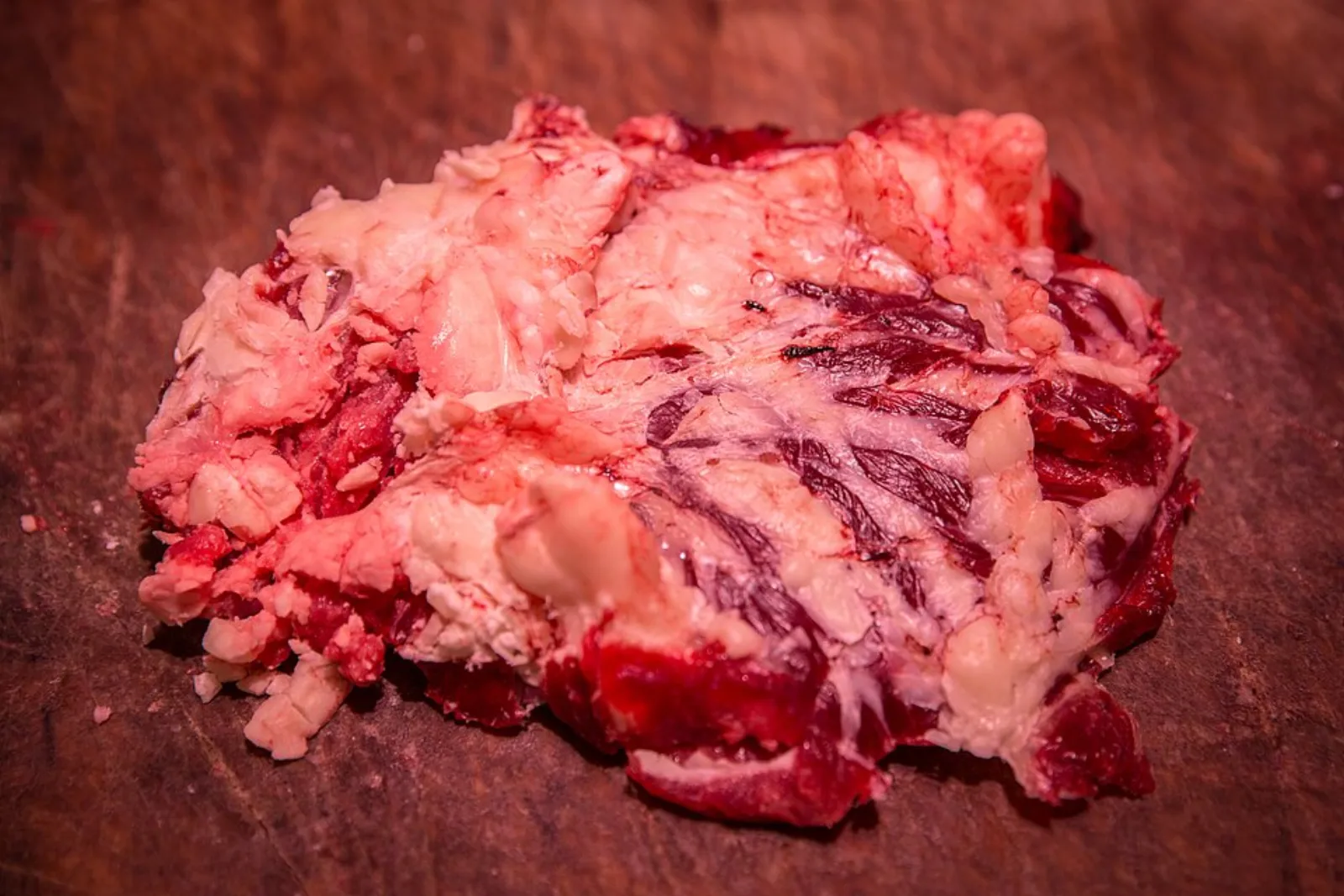
Schalkb2, CC BY-SA 4.0, via Wikimedia Commons — Silverside_beef_being_cured_in_a_vinegar_and_salt_mix.jpg
The outside group of muscles on the rear leg — the harder, leaner counterpart to *top round* (topside). Anatomically the *biceps femoris* and surrounding muscles, with longer fibres and more connective tissue than the inner thigh. Sold across Anglo and European butchery as one of the canonical round subprimals: a slow-roasting joint when whole, a braising or salt-cured cut when divided. The British *silverside* tradition turns it into salt-beef and corned beef; the German *Sauerbraten* uses it for the long marinade-and-braise; the Brazilian *coxão duro* is a churrasco staple cut against the grain. Best results come from low slow heat or long cures — quick high-heat cooking produces a tough result.
| Country | Name | Notes |
|---|---|---|
| 🇺🇸United States | Bottom roundprimary | USDA-graded outside-round subprimal; sometimes "outside round" or "bottom round roast." Distinct from top round (topside). |
| 🇬🇧United Kingdom | Silverside | Named for the silvery membrane on the underside of the joint. Classic for salt beef, corned beef, or pot-roasting. |
| 🇲🇽Mexico | Cuete / Pulpa negra | Cuete is the more common Mexican butcher-counter term; pulpa negra is the regional alternative (used in central and southern Mexico). Both refer to the same outside-round / silverside cut. |
| 🇪🇸Spain | Contra | The outer-leg subprimal in Spanish butchery; harder than babilla, used for stews and roasts. |
| 🇵🇹Portugal | Chã de fora | Sometimes "ganso redondo"; the outside round of the leg in Portuguese butchery. |
| 🇧🇷Brazil | Coxão duro | "Hard topside" — distinct from coxão mole (top round); the harder, leaner outside-round joint. Often sliced very thin against the grain for churrasco. |
| 🇮🇹Italy | Sotto-fesa | Distinct from *fesa* (top round); the outer-thigh subprimal in Italian butchery. |
| 🇩🇪Germany | Unterschale | The outside thigh in German butchery; the classic *Sauerbraten* cut, marinated for several days before braising. |
Select a primal to see its cuts
$$ · roasts, smokers, and long cooks
Monitoring large cuts where opening the smoker or oven would cost heat.
ThermoPro TP20 Wireless Meat Thermometer
Every Thursday: one cut like Bottom round, its names around the world, the best substitute, one dish, and one useful tool.
Free. No password. Unsubscribe anytime.