$$ · roasts, smokers, and long cooks
Track a brisket overnight without opening the lid
Monitoring large cuts where opening the smoker or oven would cost heat.
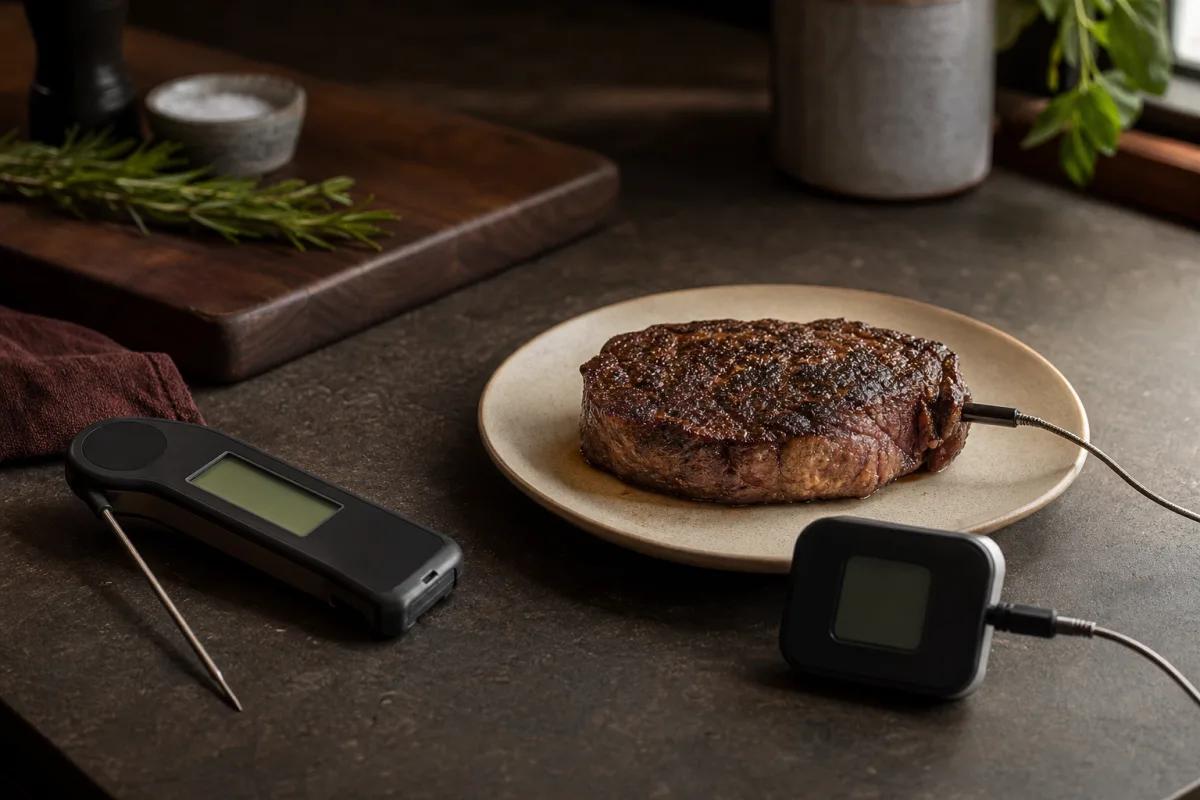
ThermoPro TP20 Wireless Meat Thermometer
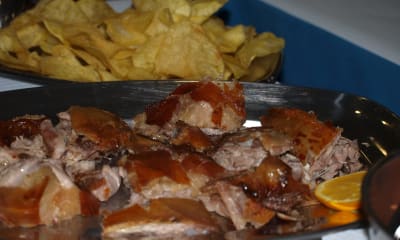
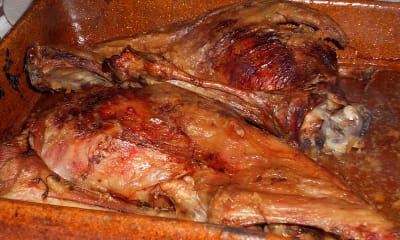
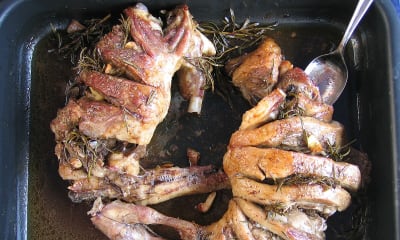
Cabrito is known in English as Kid goat.

ProtoplasmaKid, CC BY-SA 4.0, via Wikimedia Commons — Cabrito_-_Monterrey.JPG
Milk-fed kid goat — the iconic Iberian-peninsula Easter dish and the signature meat of Monterrey, Nuevo León in northern Mexico. The young goat (typically 30–45 days old, 4–8 kg) is butterflied and slow-roasted whole on an *asador* over hot coals (Mexican Monterrey style: 3–4 hours, basted with a salt-and-water mixture, served with tortillas, salsa, and frijoles), or roasted whole in a wood-fired clay oven (Castilian / Aragonese / Portuguese Easter style: 2–3 hours, served with potatoes and aioli). Despite the goat-not-lamb species distinction, cabrito is grouped with lamb culinarily everywhere it's eaten — same age class, same cooking treatments, similar cultural role as ceremonial centerpiece. Distinct from suckling lamb (*cordero lechal*, id 78) by species, and from grown goat (*cabra*) by age and tenderness.
| Country | Name | Notes |
|---|---|---|
| 🇺🇸United States | Kid goat | US specialty / Latino markets; sometimes "young goat" or "chevon" for older animals. |
| 🇬🇧United Kingdom | Kid goat | |
| 🇲🇽Mexico | Cabrito | Signature dish of Monterrey, Nuevo León — *cabrito al pastor* slow-roasted on an asador over hot coals. |
| 🇫🇷France | Cabri | French *cabri* / *chevreau*; less central than agneau but a tradition in southern France and Corsica. |
| 🇪🇸Spain | Cabritoprimary | Iberian Easter dish; whole-roasted in wood-fired clay ovens in Castile, Aragón, and northern regions. |
| 🇵🇹Portugal | Cabrito | Iberian Easter and festive dish; whole-roasted in clay or wood-fired ovens, especially in northern Portugal. |
| 🇧🇷Brazil | Cabrito | Brazilian-northeast tradition (cabrito de capote in Pernambuco and Bahia); also celebrated in southern-Brazilian churrasco settings. |
| 🇮🇹Italy | Capretto | Italian Easter tradition; *capretto al forno* roasted with potatoes and rosemary. |
Select a primal to see its cuts
$$ · roasts, smokers, and long cooks
Monitoring large cuts where opening the smoker or oven would cost heat.
ThermoPro TP20 Wireless Meat Thermometer
Every Thursday: one cut like Cabrito, its names around the world, the best substitute, one dish, and one useful tool.
Free. No password. Unsubscribe anytime.