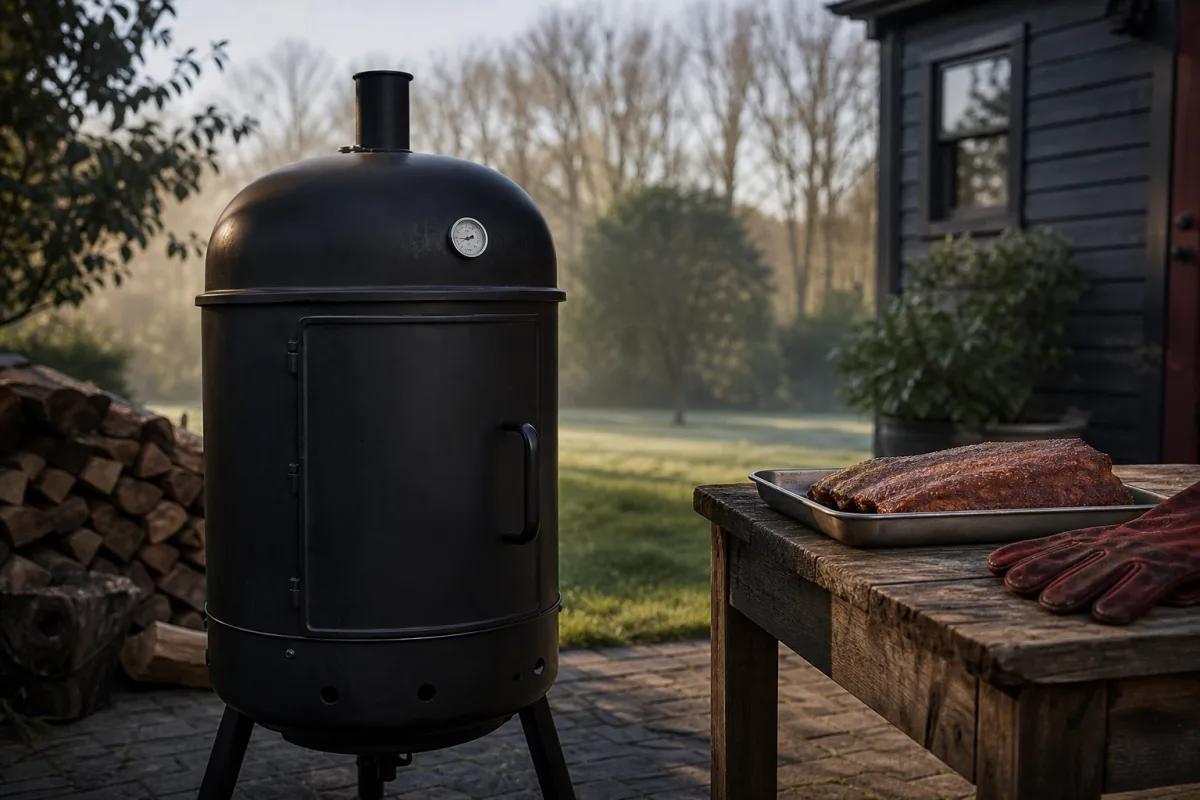
$$$ · brisket, ribs, pork shoulder, and long smoke cooks
Hold a steady 225°F for twelve hours
Low-and-slow barbecue where stable heat matters more than speed.
Weber Smokey Mountain 18-Inch Charcoal Smoker
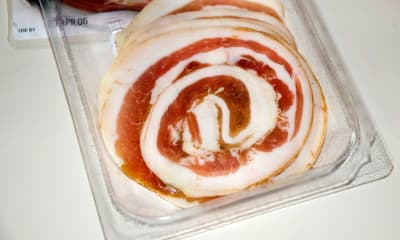
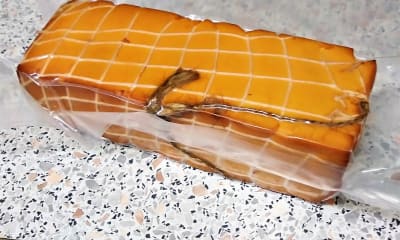
Lard fumé is known in English as Pork belly.

Patrice78500, CC BY-SA 3.0, via Wikimedia Commons — Lardons.jpg
French smoked pork belly — the source of *lardons* (the diced cured-pork batons that thread through coq au vin, salade lyonnaise, quiche Lorraine, tartiflette, and a dozen other French staples). Cured with salt and aromatics, then cold-smoked over hardwood for 24–48 hours, the lard fumé is sold in slabs (*plat*), in cubes (*lardons*), or sliced thin for *barde* (the bacon wrap that keeps roasts moist). Distinct from Italian pancetta (cured but not smoked), from American streaky bacon (heavier smoke, sweeter cure), and from German Bauchspeck (similar smoke profile but typically with caraway in the cure). A pillar of French home cooking — without it, a great deal of bistro cuisine simply doesn't exist.
| Country | Name | Notes |
|---|---|---|
| 🇫🇷France | Lard fuméprimary | Smoked pork belly; sold in slabs, in cubes (lardons), or sliced thin for barde. Cured then cold-smoked, 24–48 hours over hardwood. Also called "poitrine fumée" depending on region. |
| 🇪🇸Spain | Panceta ahumada | |
| 🇵🇹Portugal | Toucinho fumado | |
| 🇮🇹Italy | Pancetta affumicata | The smoked form of pancetta, as opposed to the salt-cured pancetta stesa |
| 🇩🇪Germany | Räucherspeck | The same smoked belly, diced for cooking as in French lardons |
Select a primal to see its cuts
$$$ · brisket, ribs, pork shoulder, and long smoke cooks
Low-and-slow barbecue where stable heat matters more than speed.
Weber Smokey Mountain 18-Inch Charcoal Smoker
Every Thursday: one cut like Lard fumé, its names around the world, the best substitute, one dish, and one useful tool.
Free. No password. Unsubscribe anytime.