$$$ · picanha, steaks, skewers, and general charcoal grilling
Get a real charcoal crust at home
High-heat grilling, simple indirect cooks, steak, picanha, and burgers.
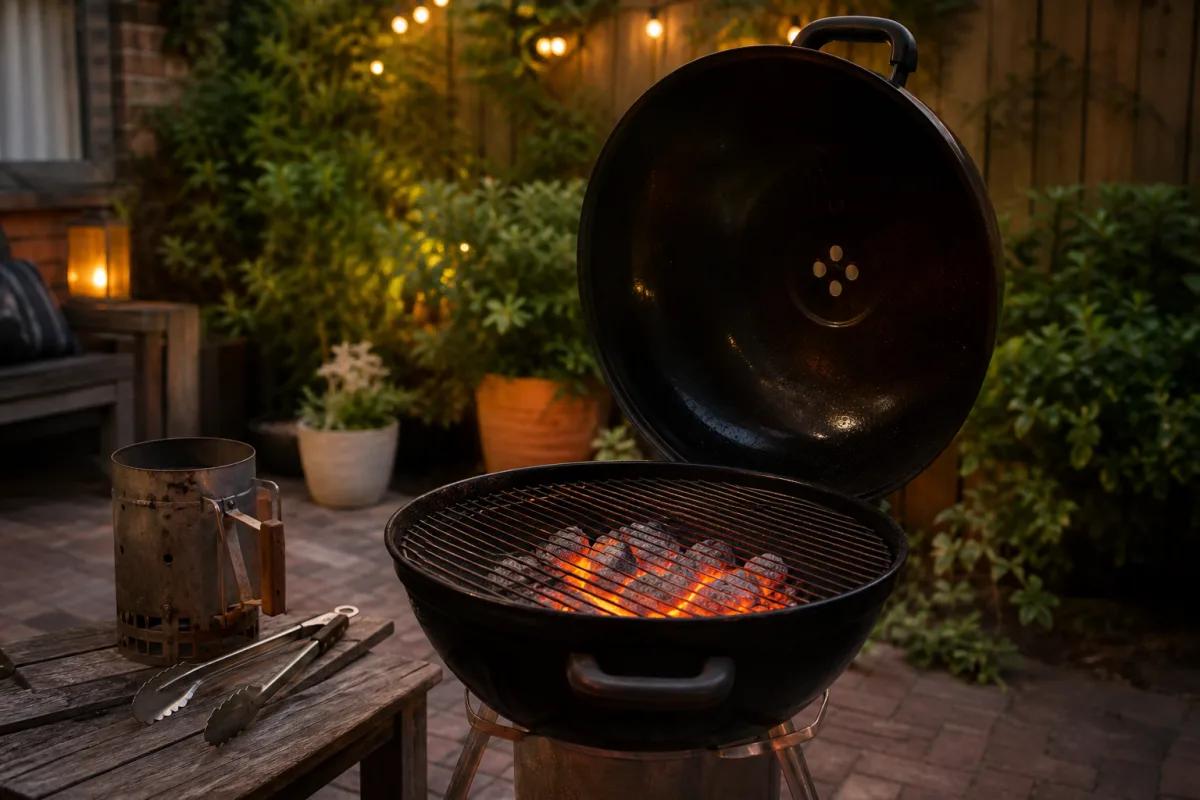
Weber Original Kettle Premium 22-Inch Charcoal Grill
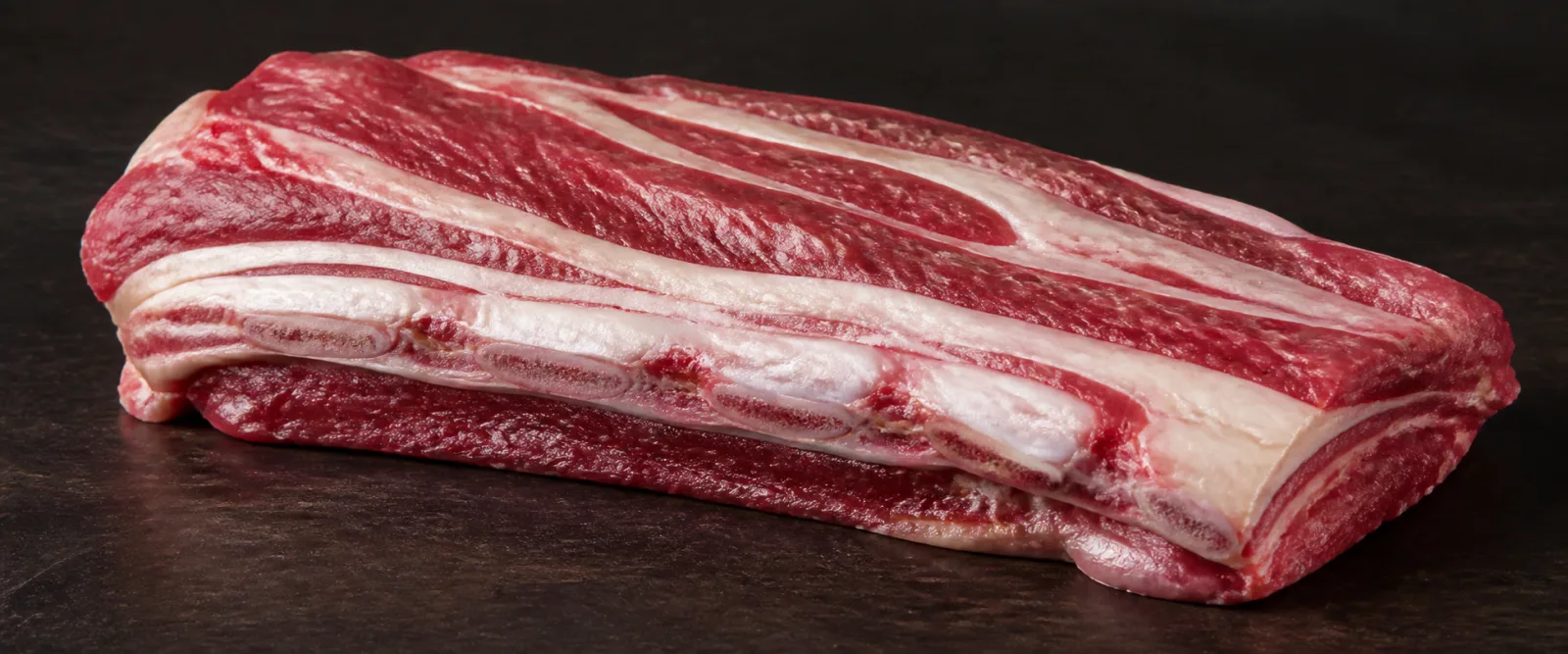
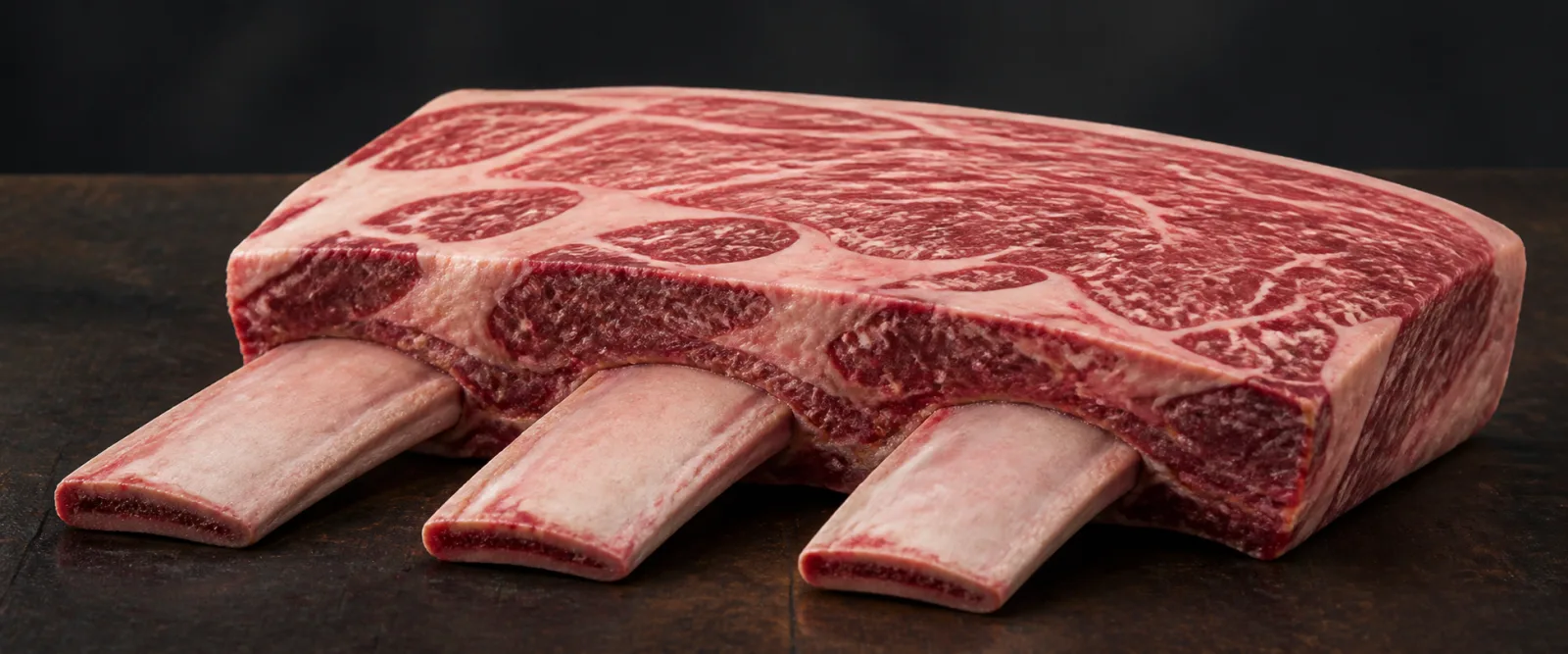
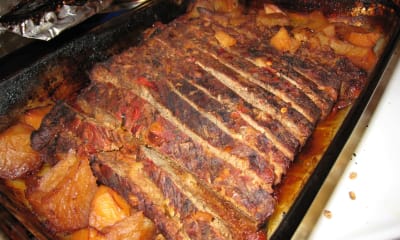
Costela ponta de agulha is known in English as Plate ribs.

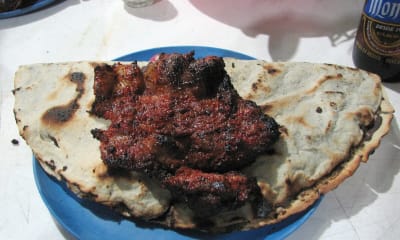
Julio Cesar Martins, CC BY-SA 3.0, via Wikimedia Commons — Costela_no_Fogo.JPG
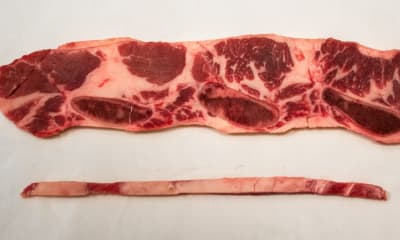
The front portion of the Brazilian *costela*, taken from the chest end of the rib cage where cartilage runs through the bones. The fattier, more flavourful cousin of *costela ripa* (the rear, leaner rib section) and a churrasco staple — slow-grilled vertically over coals (*costela no fogo de chão*) for hours, sometimes overnight, until the connective tissue dissolves and the meat falls off the bone. Known as *minga* in southern Brazil. Distinct from *asado de tira* (the same general region cross-cut into ½-inch strips, popularised in Argentina) and from US plate ribs (whole 3-rib slabs cut along the bone for Texas-style smoking). The cartilage-and-fat character is what defines the cut — leaner butchers' grades or backs of ribs (costela ripa) don't substitute well.
| Country | Name | Notes |
|---|---|---|
| 🇵🇹Portugal | Costela ponta de agulha | Same Portuguese-language term used in Brazilian-emigré churrascarias in Portugal; not a traditional pt-PT butcher term per se. |
| 🇧🇷Brazil | Costela ponta de agulhaprimary | The fattier, front-of-chest section of the Brazilian costela, threaded through with cartilage. In southern Brazil also called *minga*. |
Select a primal to see its cuts
$$$ · picanha, steaks, skewers, and general charcoal grilling
High-heat grilling, simple indirect cooks, steak, picanha, and burgers.
Weber Original Kettle Premium 22-Inch Charcoal Grill
Every Thursday: one cut like Costela ponta de agulha, its names around the world, the best substitute, one dish, and one useful tool.
Free. No password. Unsubscribe anytime.