Amazon · The cut itself
Find Macreuse à bifteck or its closest English equivalent
Naming and trim vary by seller — check the listing against the guide above before you order.
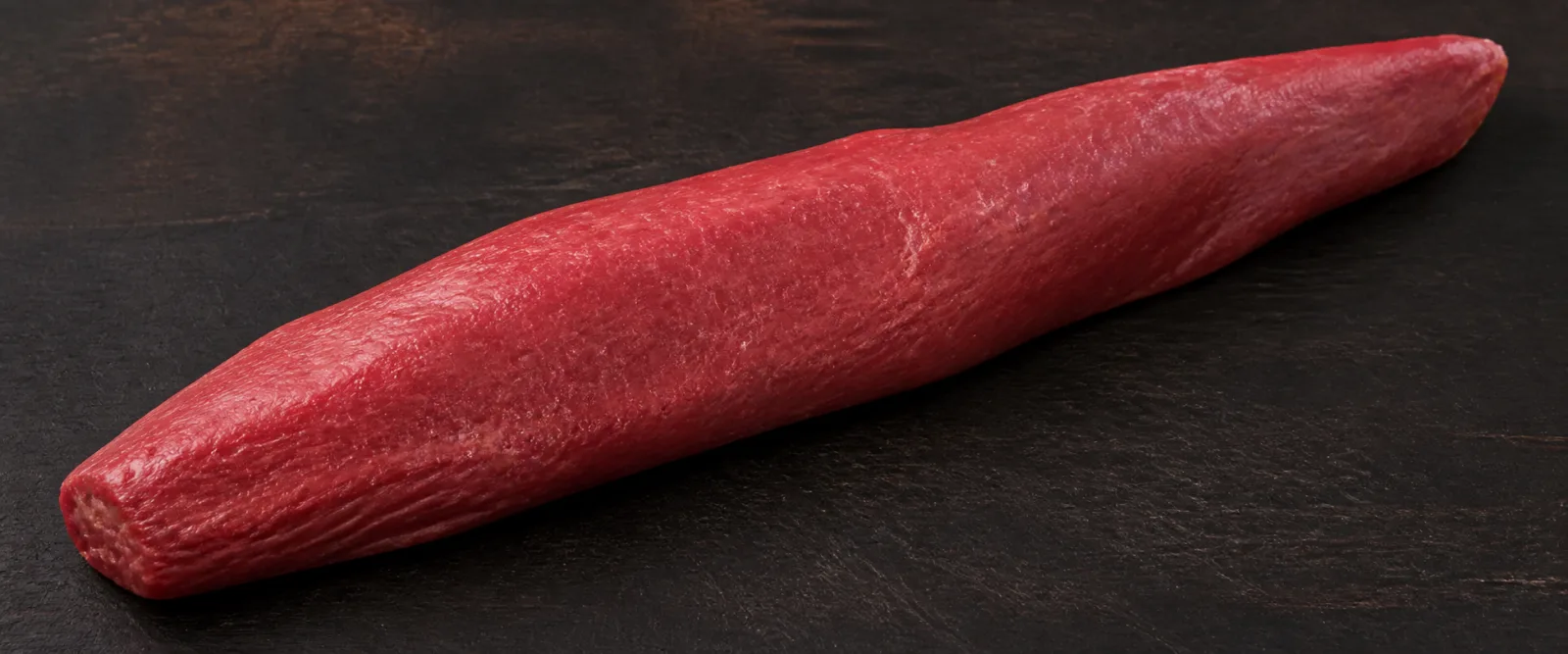
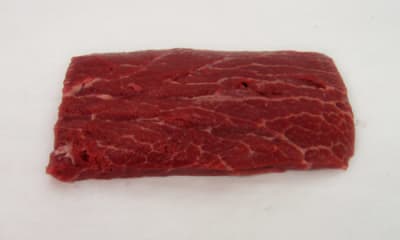
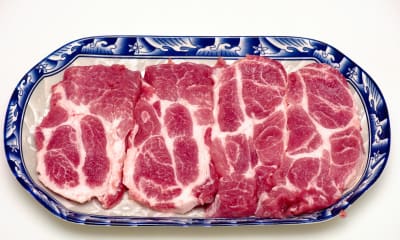
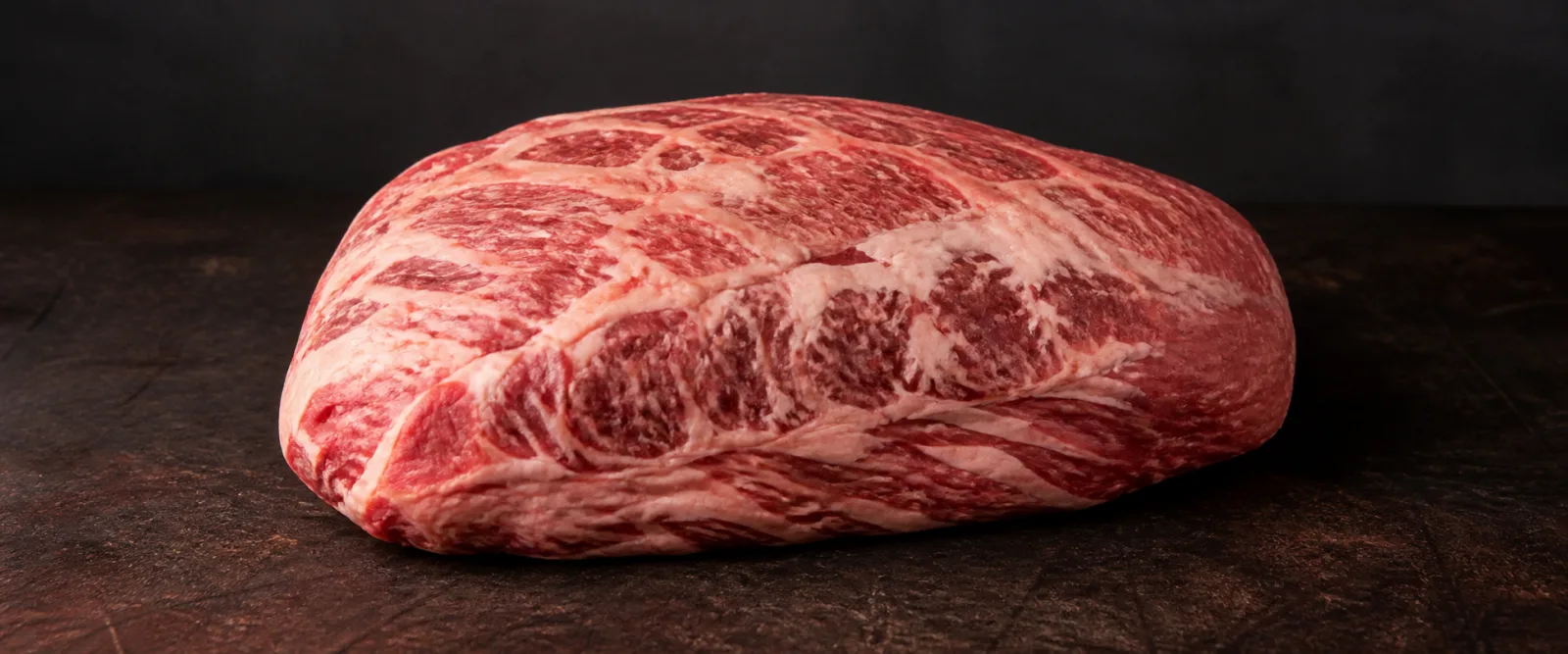
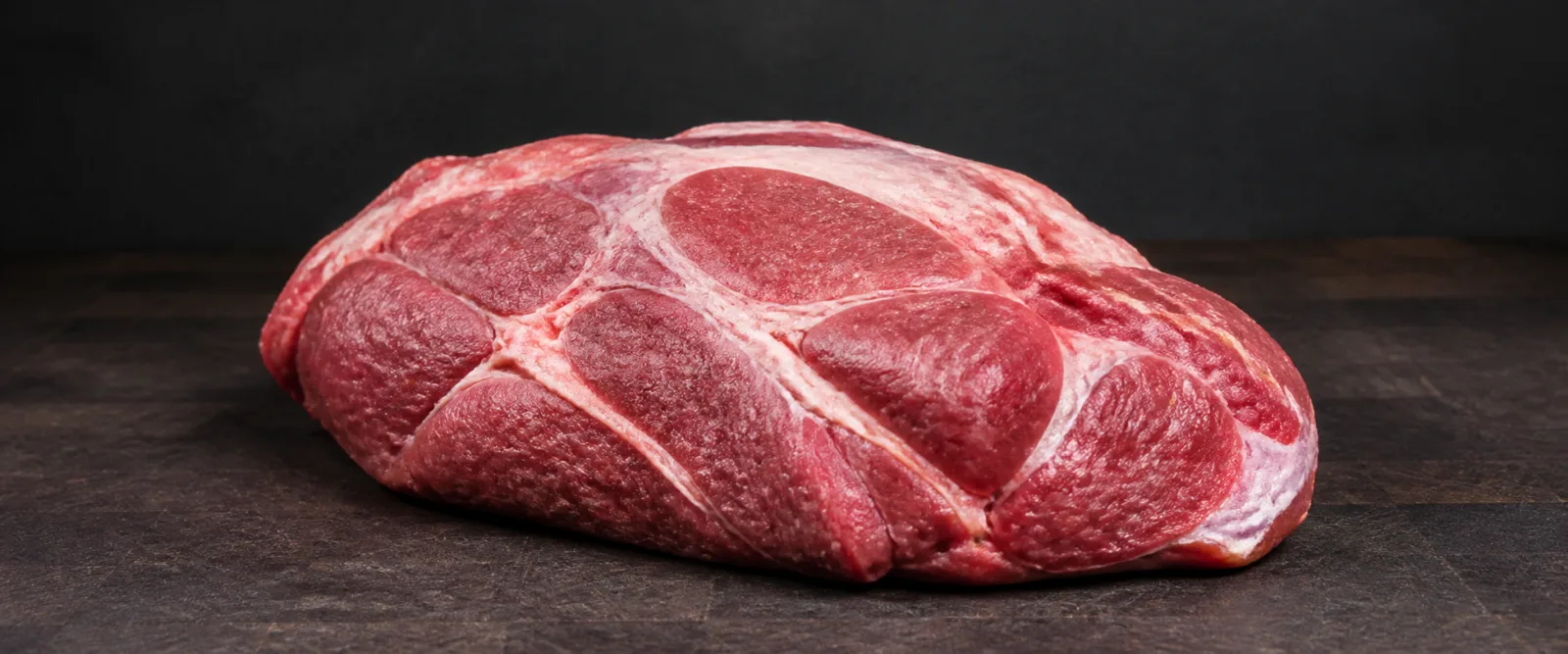
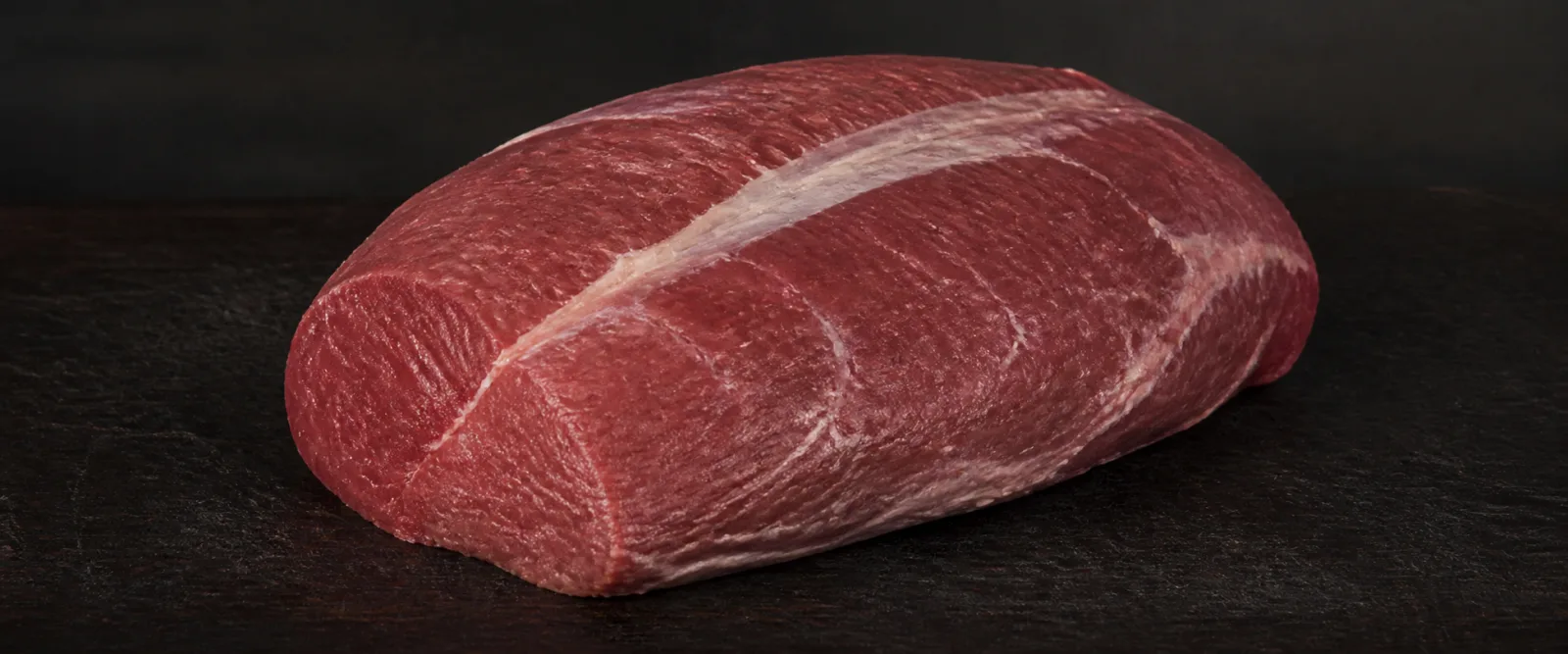
Chuck steak (macreuse à bifteck)
Macreuse à bifteck is commonly used as-is in English; the closest equivalent depends on the butchery tradition.
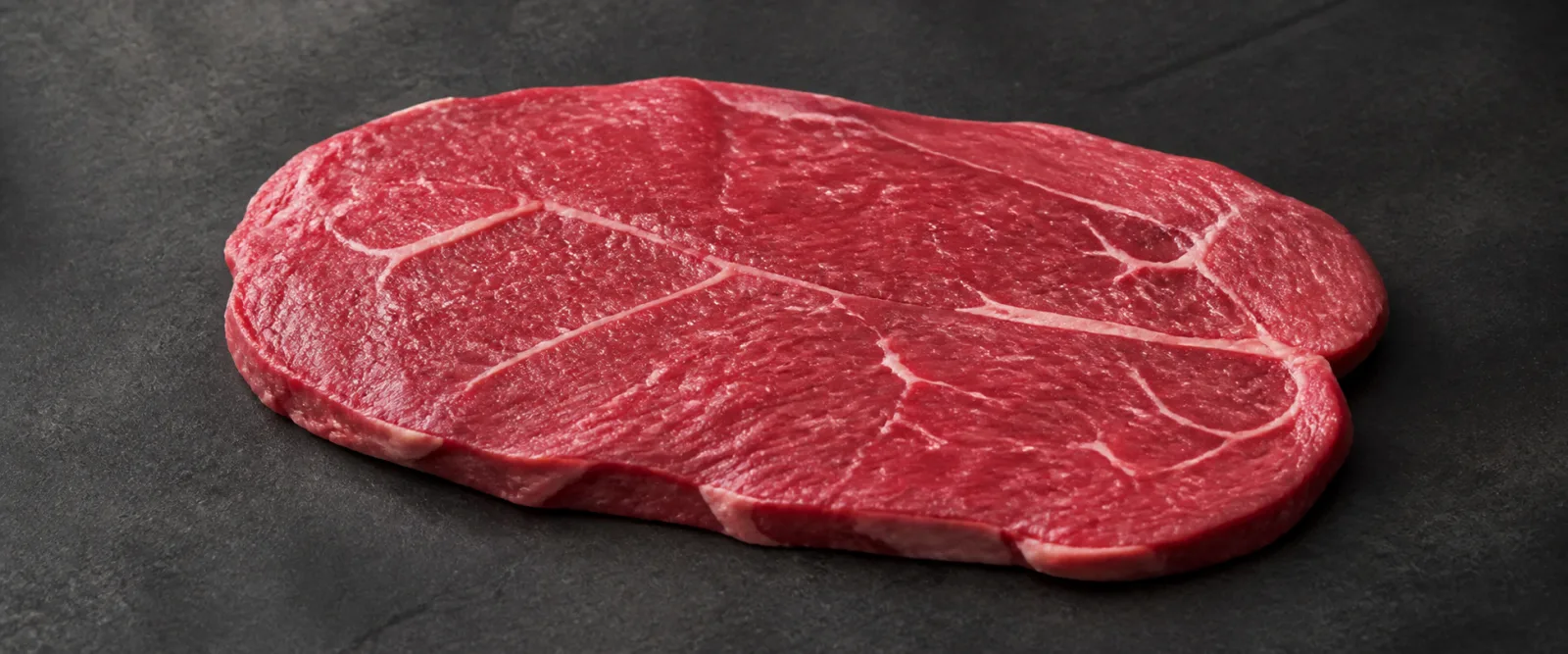
AI-generated editorial reference image
A chuck-area subdivision of French butchery — dark-red, fairly lean, fine-grained meat from the front shoulder, separated by a central nerve into two halves. Sometimes also called *boule de macreuse* ("ball of macreuse") or *noix de macreuse* ("nut of macreuse") for its rounded shape. Distinct from *macreuse à pot-au-feu*, which is the same general muscle group but butchered out for slow cooking. The à-bifteck portion is for steaks and quick roasting (5-minute *steak haché* or pan-fried slices), while the à-pot-au-feu portion goes into the stewpot. The CAP boucher curriculum treats these as separate butcher's terms, though both come from the same anatomical region. Cook quickly to medium-rare; treat like flat iron or onglet.
| Country | Name | Notes |
|---|---|---|
| 🇫🇷France | Macreuse à bifteckprimary | Also "boule de macreuse" or "noix de macreuse." The à-bifteck portion is for quick cooking — steaks, pan-fried slices, beef tartare. |
Amazon · The cut itself
Naming and trim vary by seller — check the listing against the guide above before you order.
Chuck steak (macreuse à bifteck)
Select a primal to see its cuts
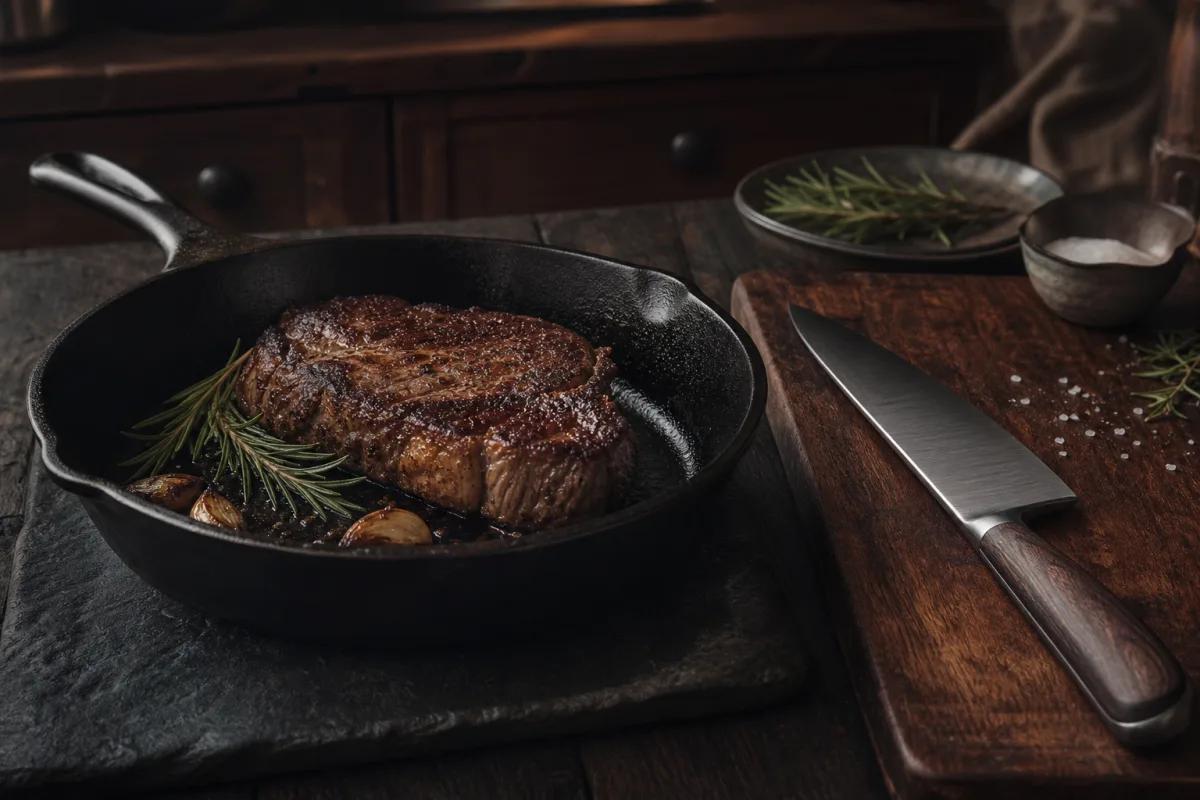
$ · indoor steak searing and plancha-style cooking
Hard sears when a grill is unavailable or inconvenient.
Lodge 12-Inch Cast Iron Skillet
Every Thursday: one cut like Macreuse à bifteck, its names around the world, the best substitute, one dish, and one useful tool.
Free. No password. Unsubscribe anytime.