Amazon · The cut itself
Find Paleron or its closest English equivalent
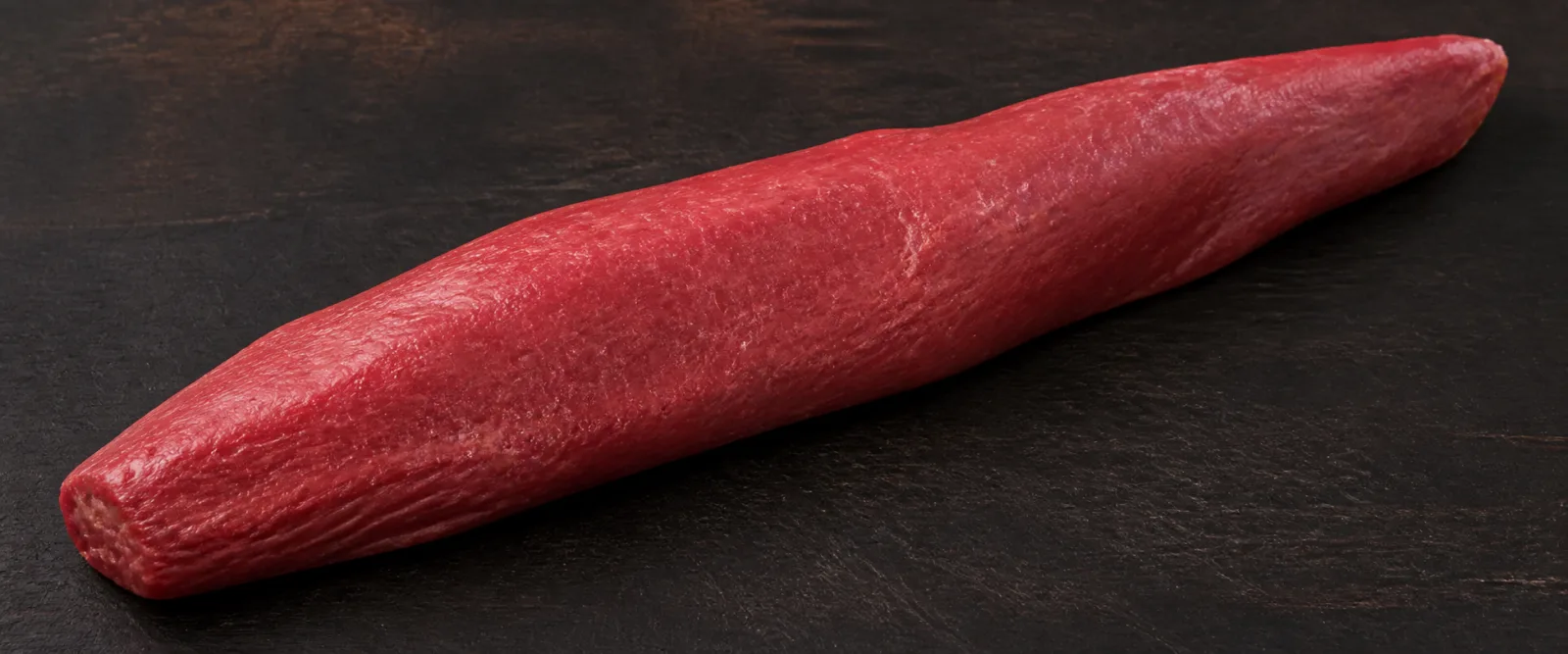
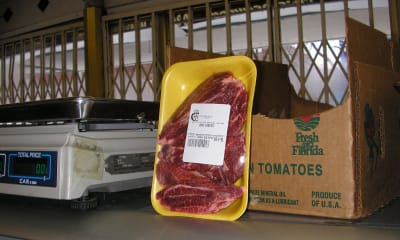
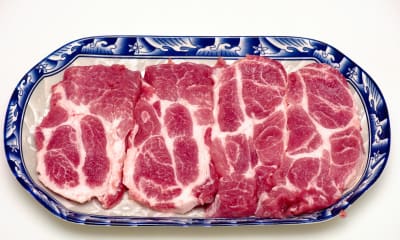
Naming and trim vary by seller — check the listing against the guide above before you order.
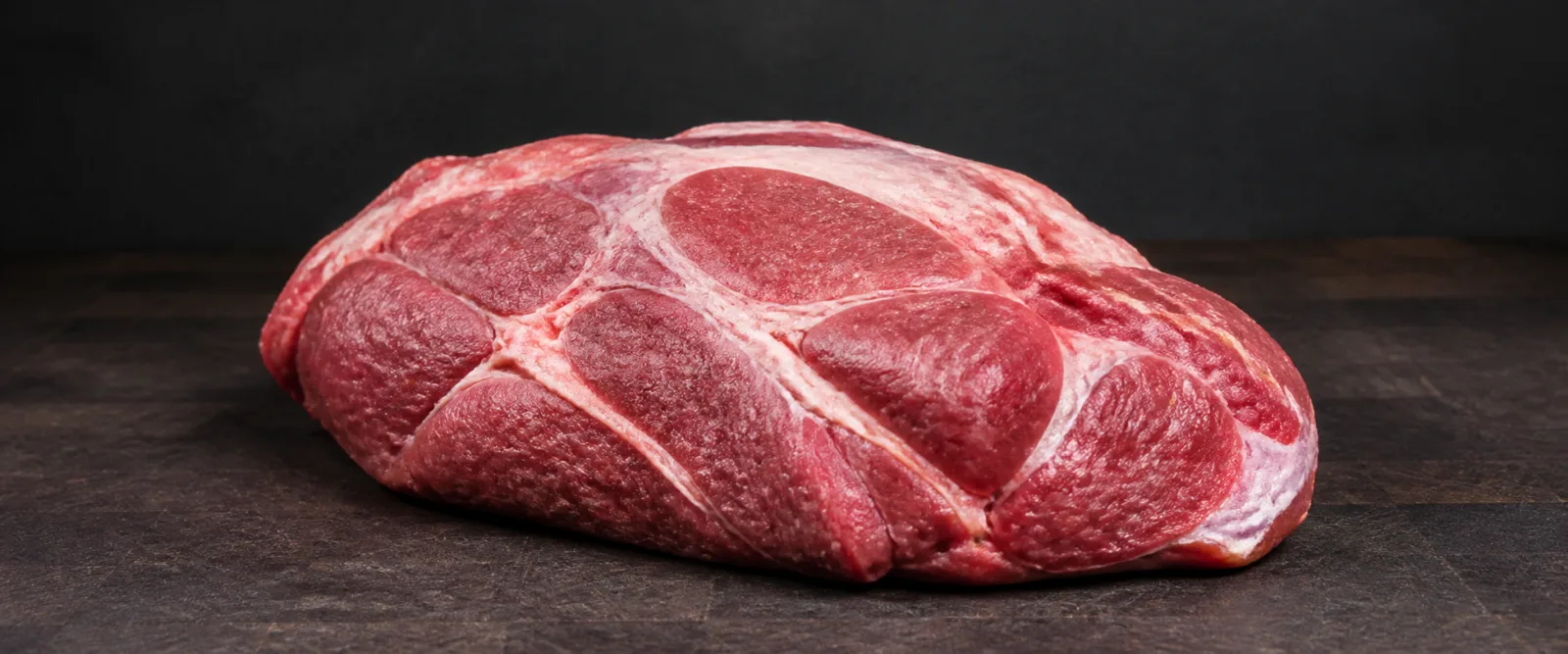
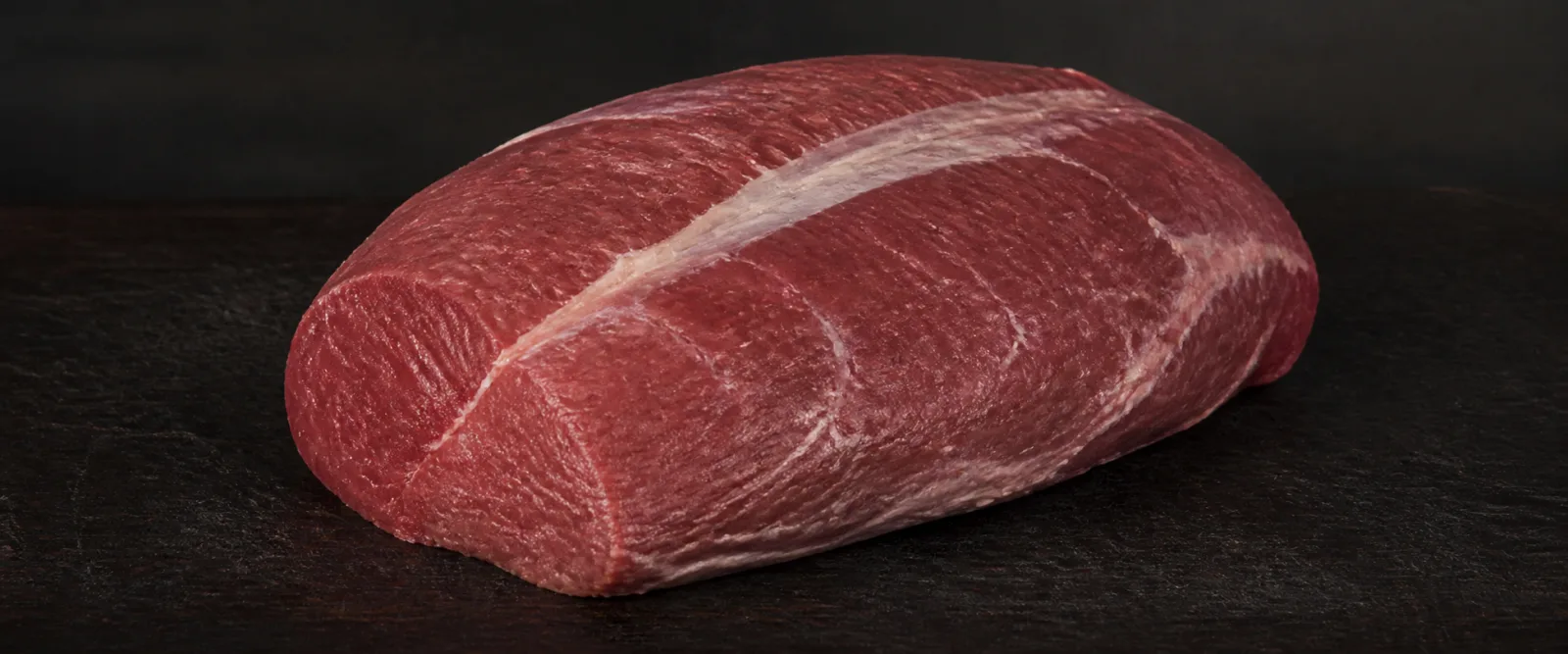
Beef chuck roast (paleron)
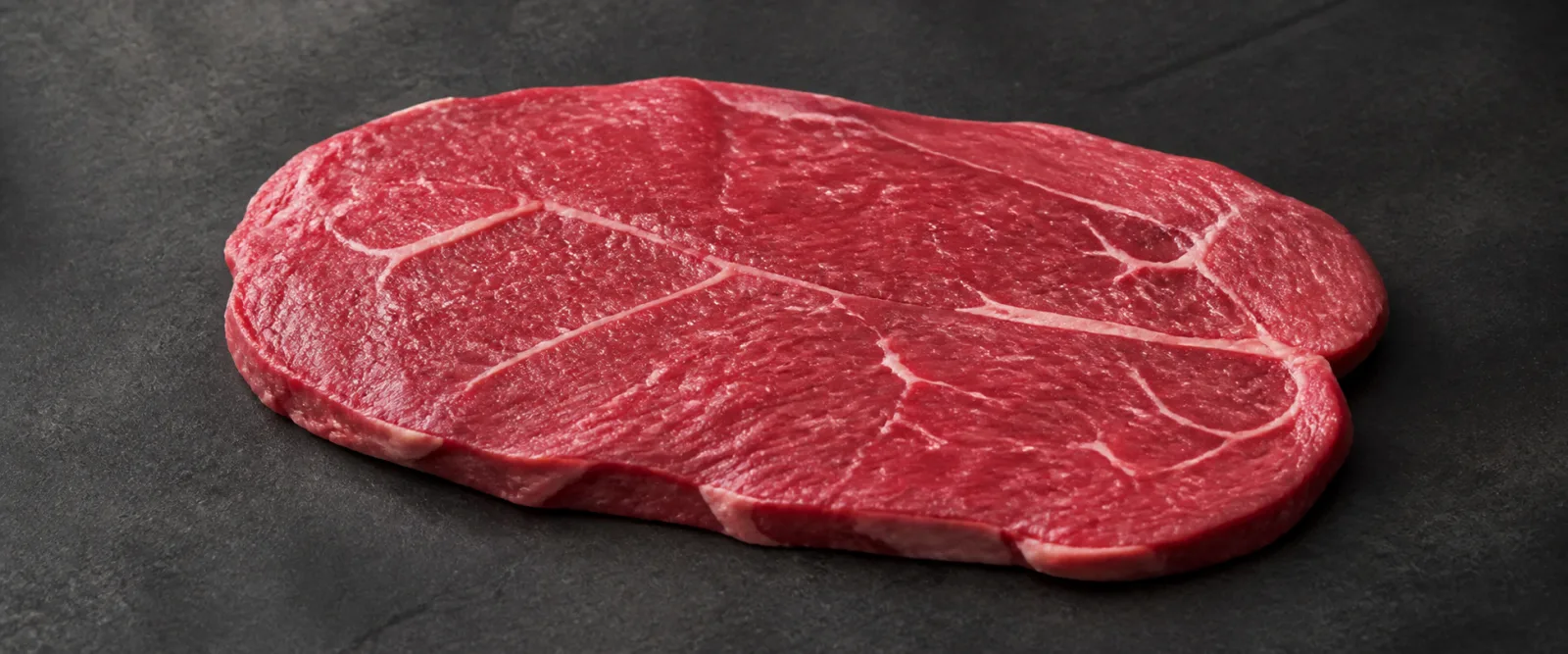
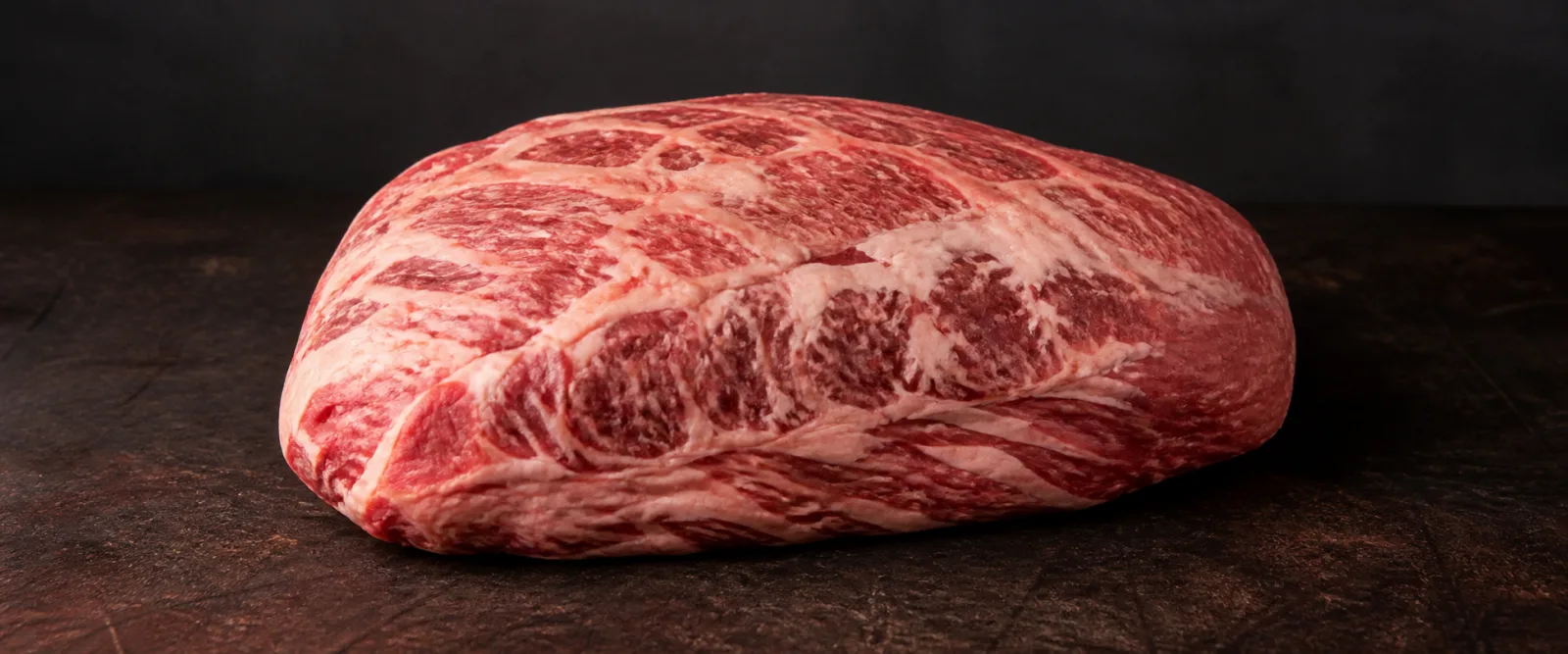
Paleron is known in English as Chuck roast.
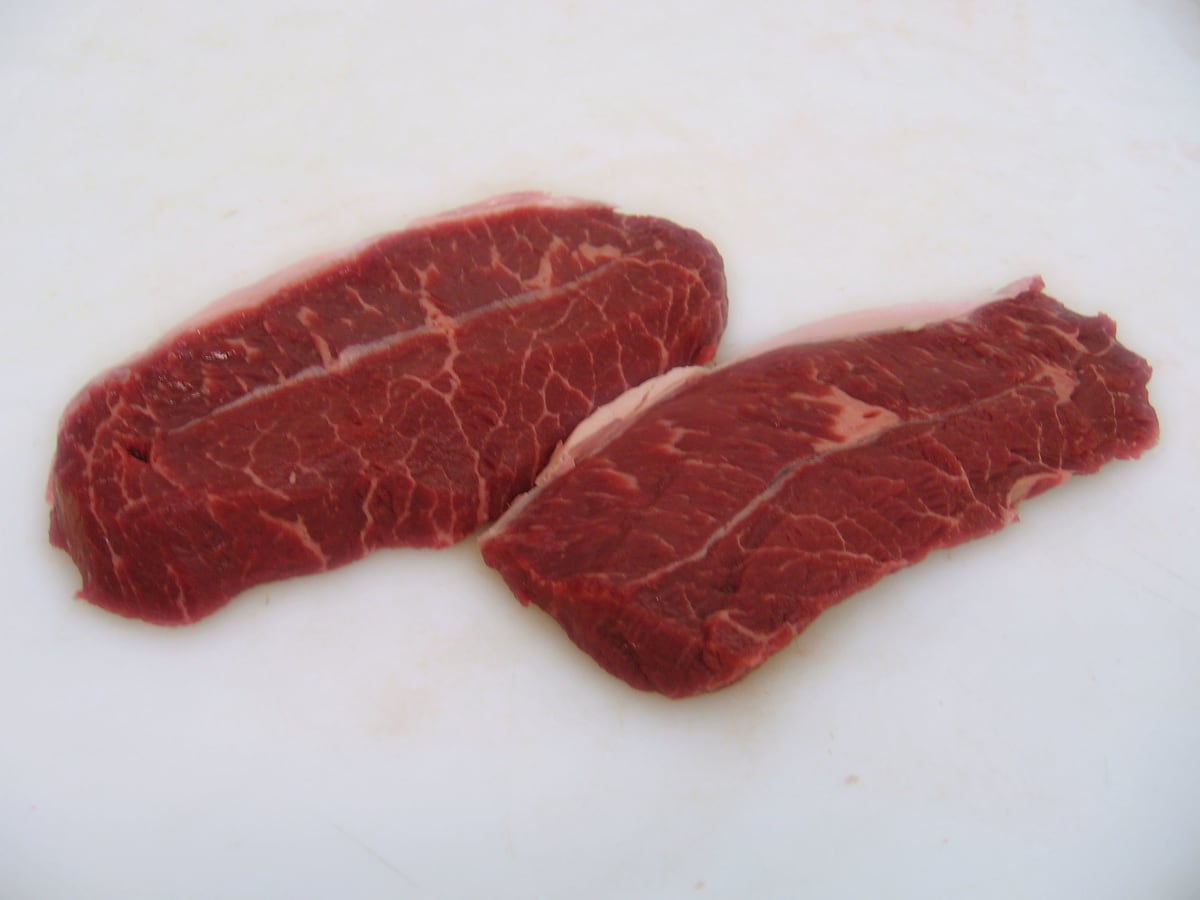
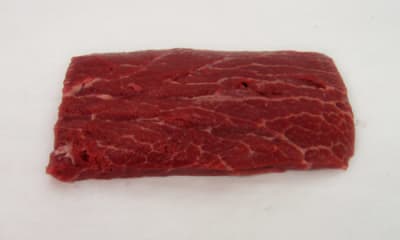
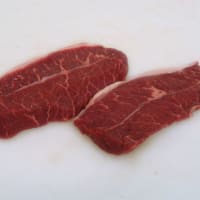
Mywhitedevil at English Wikipedia, CC BY-SA 3.0, via Wikimedia Commons — Blade steak.jpg
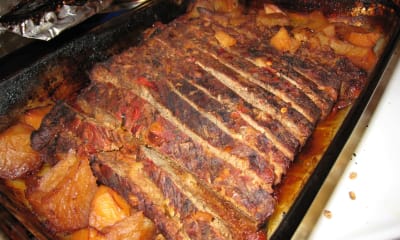
Cut from the shoulder area, chuck roast is a well-exercised muscle with significant connective tissue and intramuscular fat. This makes it tough when cooked quickly but exceptionally tender and flavorful when braised or slow-cooked for several hours. It is the go-to cut for pot roast, stews, and beef bourguignon.
| Country | Name | Notes |
|---|---|---|
| 🇺🇸United States | Chuck roast | |
| 🇬🇧United Kingdom | Chuck roast | Often sold as braising steak or blade roast in the UK |
| 🇲🇽Mexico | Paleta | |
| 🇫🇷France | Paleronprimary | |
| 🇪🇸Spain | Paleta | |
| 🇵🇹Portugal | Paleta | |
| 🇧🇷Brazil | Paleta | |
| 🇮🇹Italy | Cappello del prete | Italian name for the conical shoulder muscle, named for its priest's-hat shape. |
| 🇩🇪Germany | Schulterscherzel |
Amazon · The cut itself
Naming and trim vary by seller — check the listing against the guide above before you order.
Beef chuck roast (paleron)
Select a primal to see its cuts
$$ · braised beef, lamb neck, pot roasts, and stews
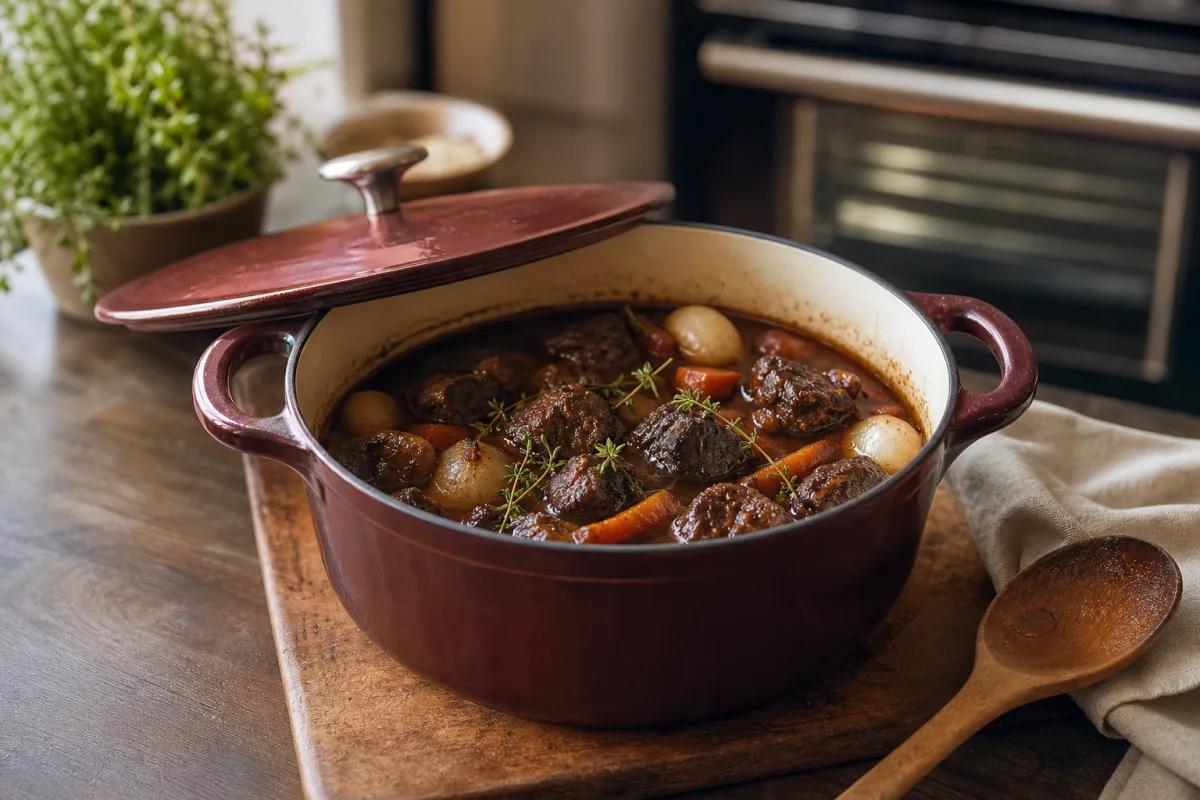
Browning meat on the stovetop, then braising it slowly in the oven.
Lodge 6-Quart Enameled Cast Iron Dutch Oven
Every Thursday: one cut like Paleron, its names around the world, the best substitute, one dish, and one useful tool.
Free. No password. Unsubscribe anytime.