
$$ · braised beef, lamb neck, pot roasts, and stews
Turn a tough cut tender in one pot
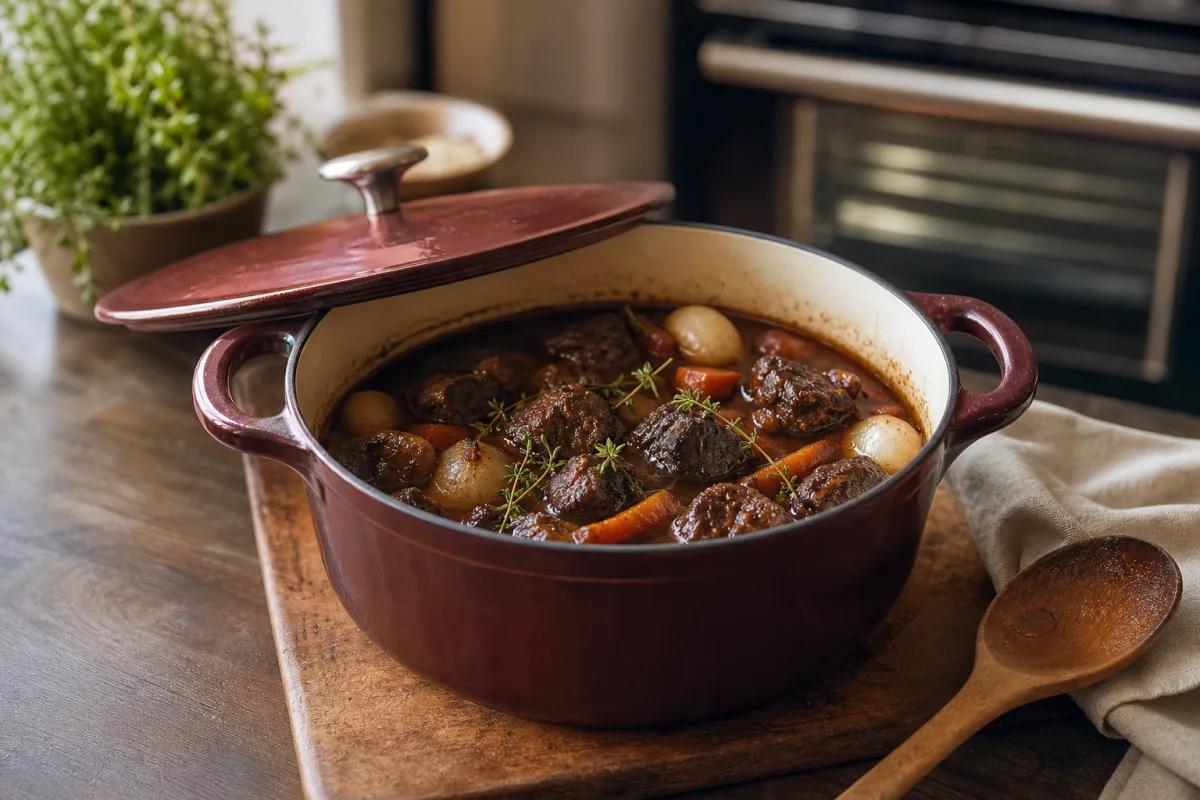
Browning meat on the stovetop, then braising it slowly in the oven.
Lodge 6-Quart Enameled Cast Iron Dutch Oven
Tortuguita is commonly used as-is in English; the closest equivalent depends on the butchery tradition.

CC BY-SA 3.0
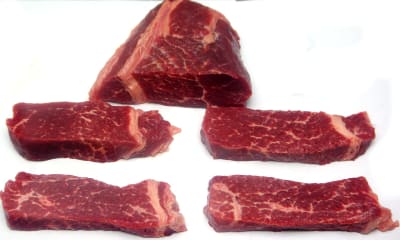
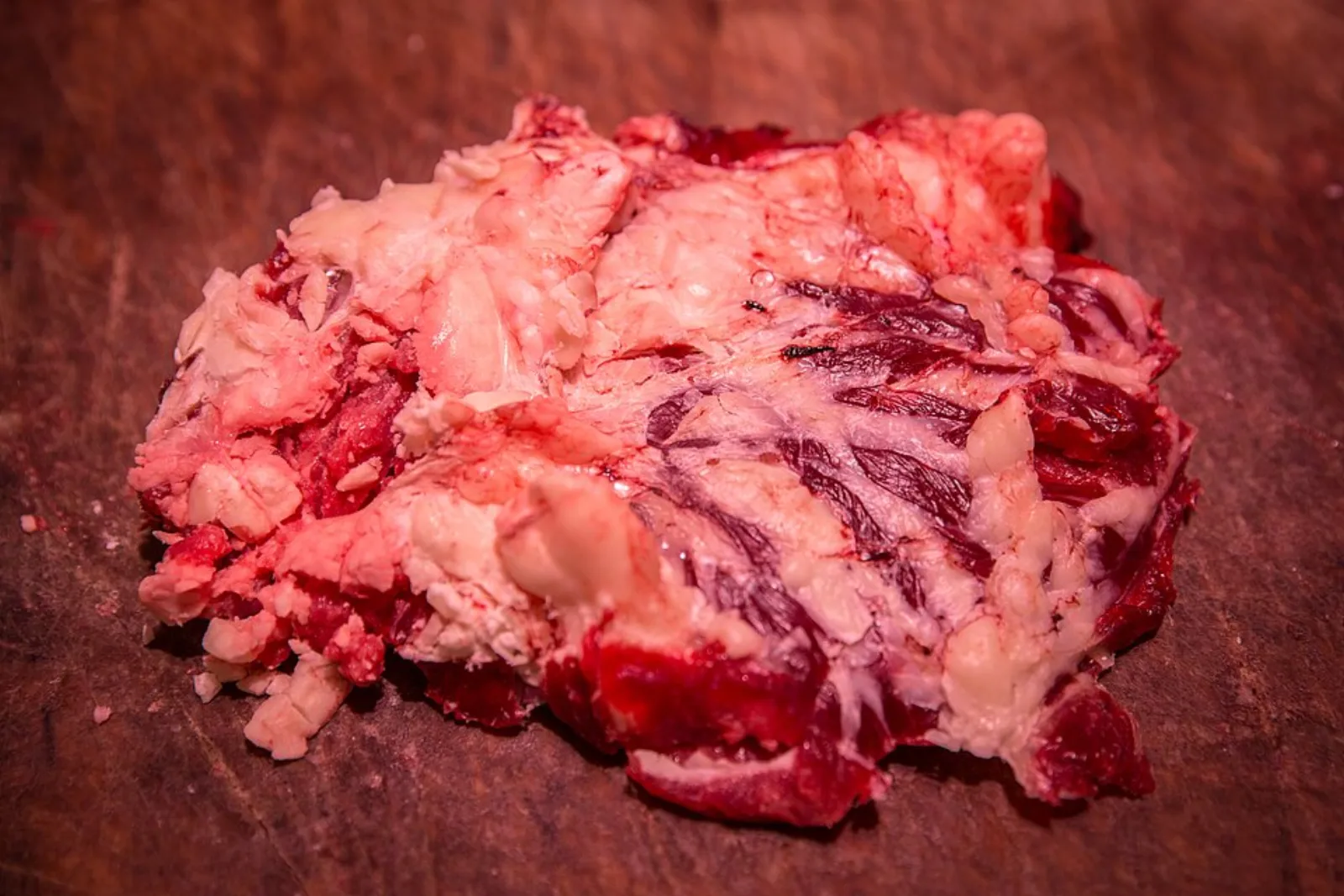
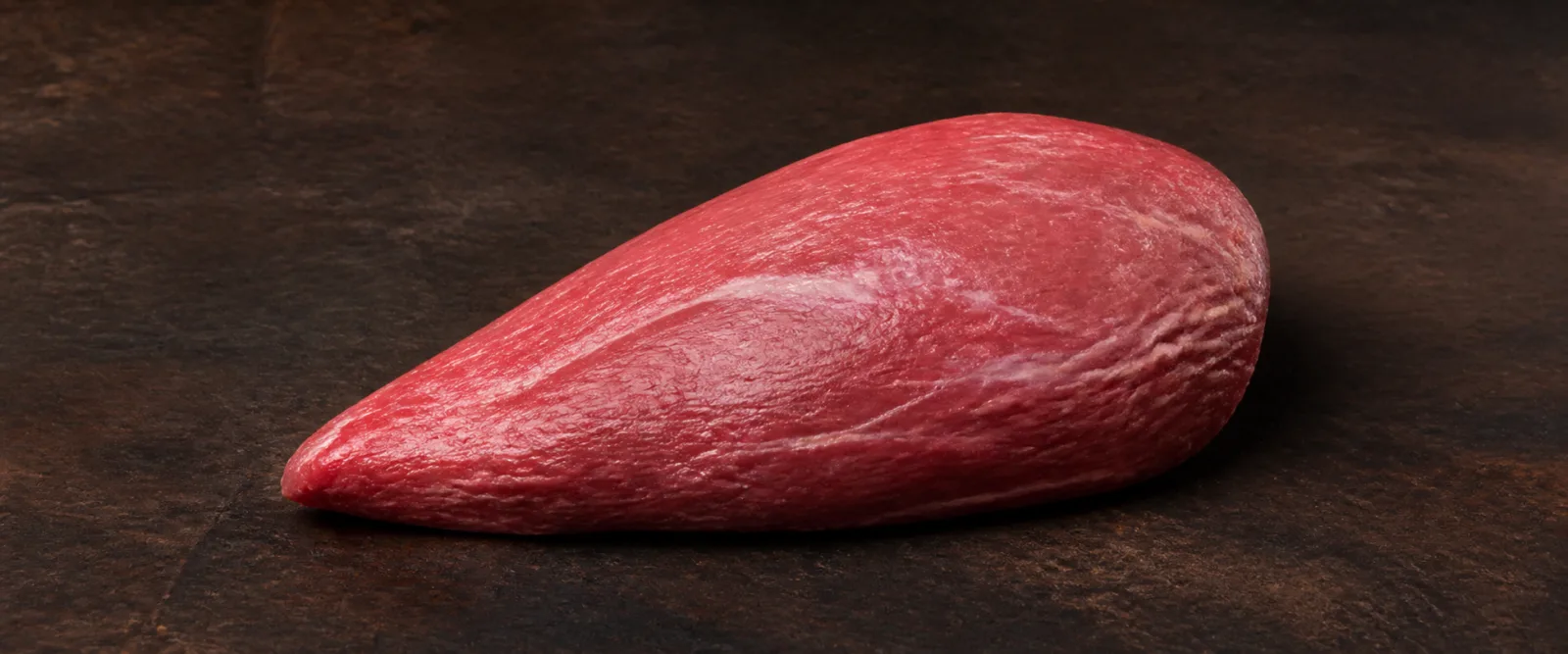
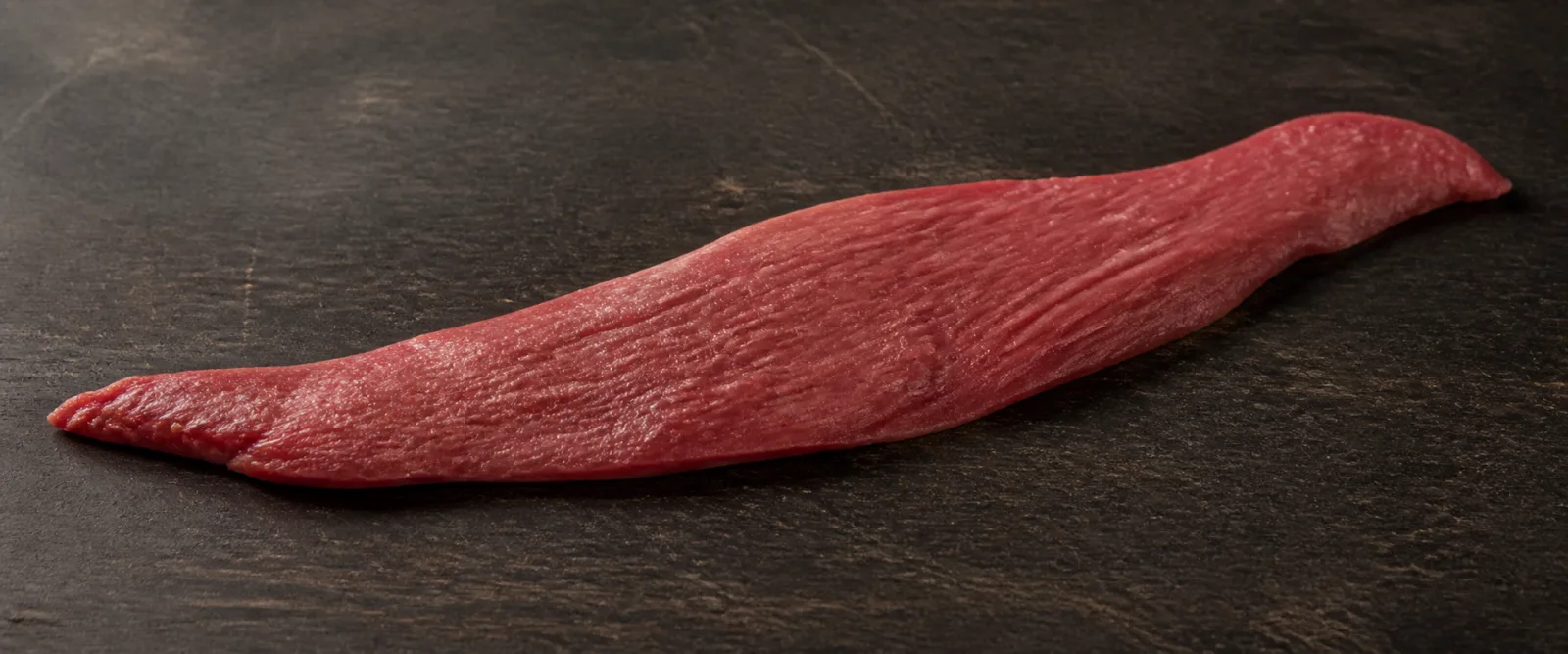
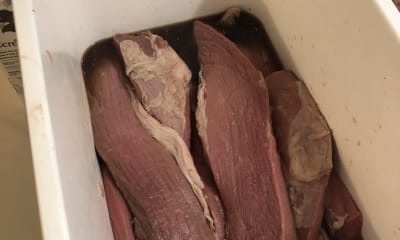
A small, curved, slightly flat muscle from the rear leg of the steer — named for its resemblance to a little tortoise (*tortuga* = turtle). Anatomically the *culata de contra*: a working muscle with long fibres and a fair amount of connective tissue, so it rewards slow methods. Argentine carnicerías sell it cheap and rendidor (high-yielding); typical destinations are *guisos* (stews), *carbonadas*, slow-roasted whole, or pulled into *carne deshebrada*. Tougher than nalga or peceto when treated quickly, but transforms into something rich and gelatinous over a few hours of low heat.
| Country | Name | Notes |
|---|---|---|
| 🇦🇷Argentina | Tortuguitaprimary | Argentine butcher term; the small tortoise-shaped muscle on the rear leg. Distinct from peceto (eye of round) and nalga (top round). |
| 🇪🇸Spain | Culata de contra | Spanish butcher's term for the same anatomical cut; less common at retail than babilla or contra. |
Select a primal to see its cuts
$$ · braised beef, lamb neck, pot roasts, and stews
Browning meat on the stovetop, then braising it slowly in the oven.
Lodge 6-Quart Enameled Cast Iron Dutch Oven
Every Thursday: one cut like Tortuguita, its names around the world, the best substitute, one dish, and one useful tool.
Free. No password. Unsubscribe anytime.