
$ · searing fillets and whole small fish, plancha-style
Get crisp skin instead of a fillet welded to the pan
Skin-on fillets, which need a hot, even surface to release cleanly.
Lodge 12-Inch Cast Iron Skillet
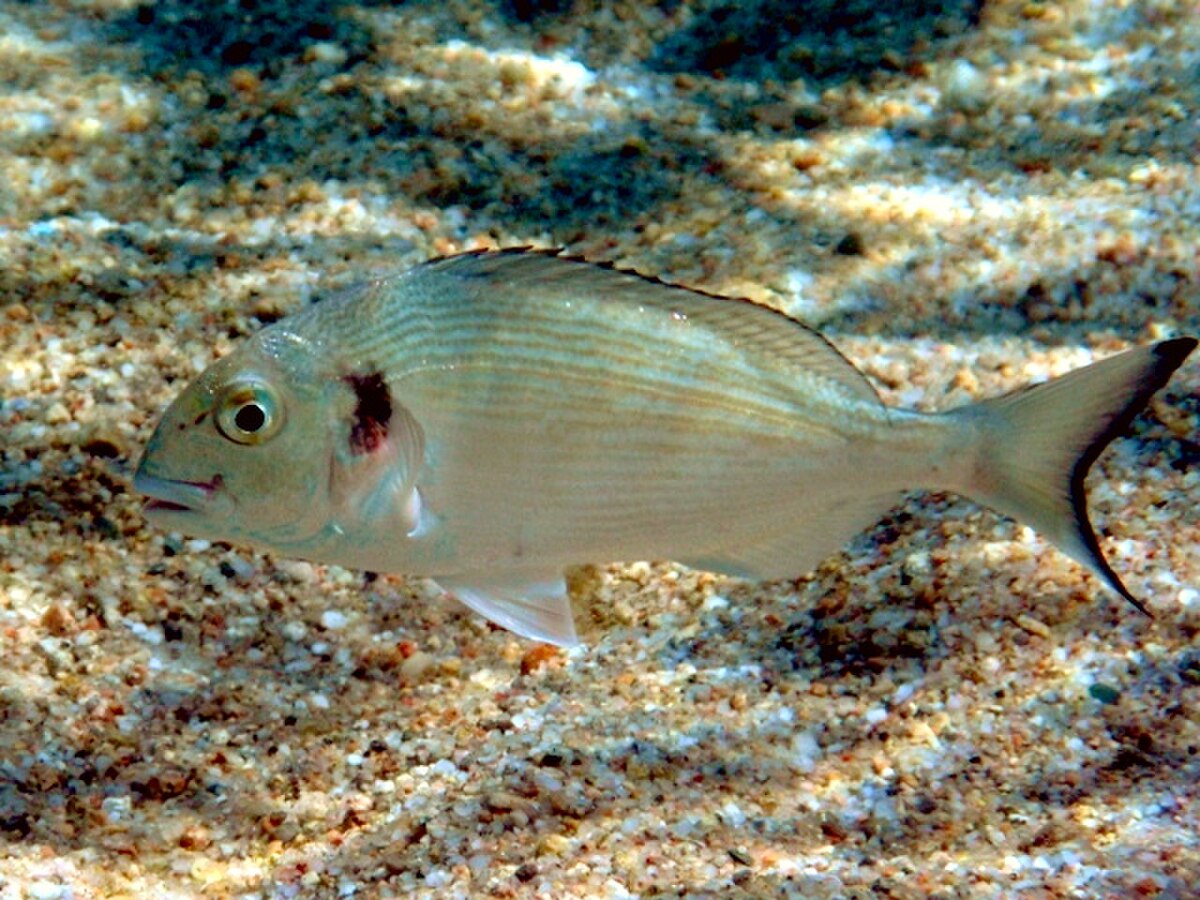
Dorada in English is Sea bream. It belongs to the Sparidae family; the names below show how the same fish is sold across international markets.
Dorada (also dourada) is gilthead sea bream. Dorado usually means mahi-mahi and is a different fish.
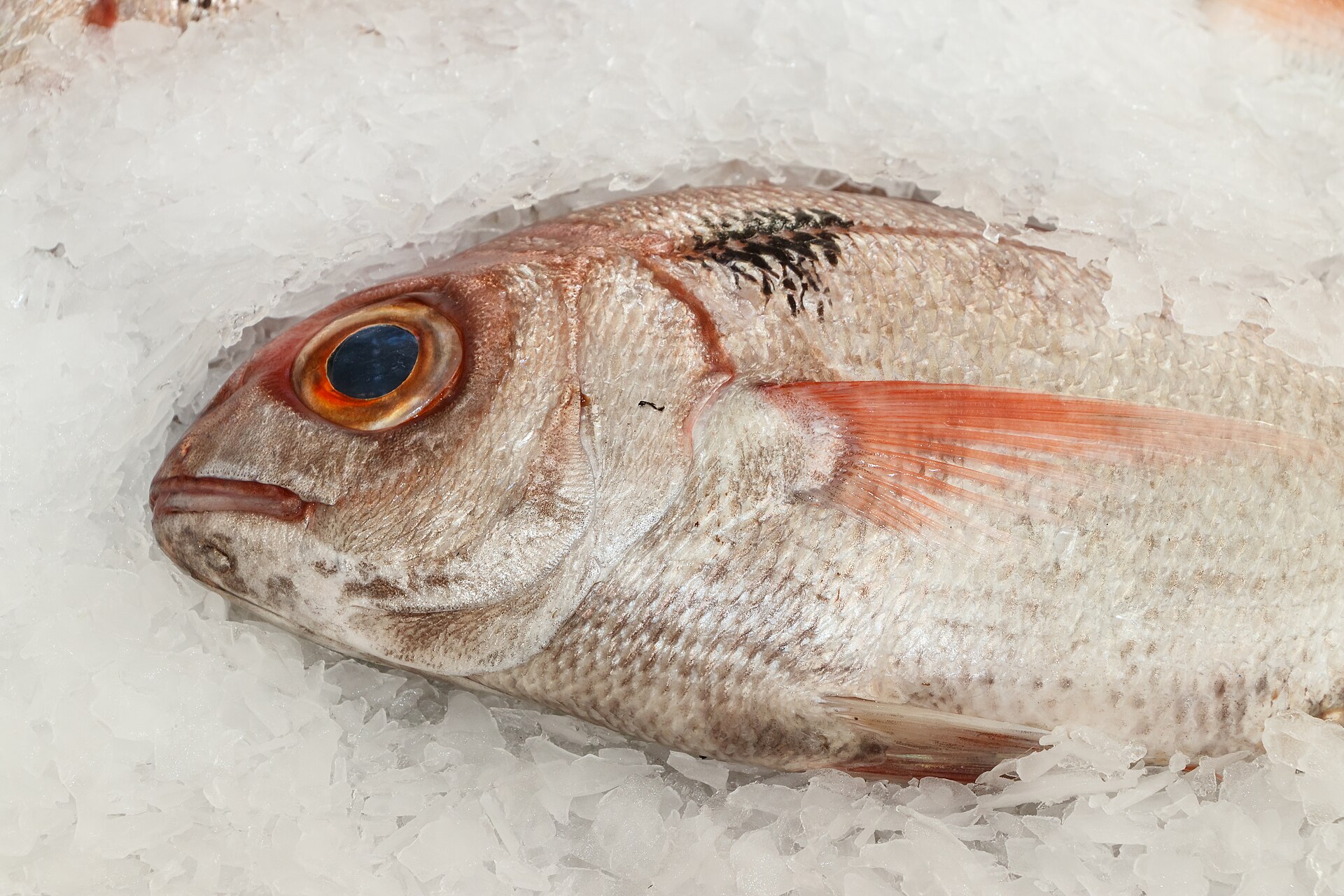
Gilthead sea bream is recognizable by its golden spot between its eyes. It has firm white flesh with a sweet, delicate flavor and is farmed extensively across the Mediterranean. In Spain it is called dorada, in France daurade royale, in Portugal dourada. It is typically cooked whole — baked in salt, grilled over charcoal, or roasted with vegetables — and is a fixture of Mediterranean restaurant menus.
These similar market names refer to different fish and should not be substituted as if they were synonyms.
Almost all the dorada on a European counter is farmed. It is one of the most widely farmed fish in the Mediterranean, and Greece, Turkey and Spain are the producers you are most likely to be buying from. That is not a warning — farmed gilt-head bream is consistent, cheap and sold at a useful size — but it does explain why the fish is the same all year and why the price barely moves.
Wild dorada exists and is worth buying when you see it. It is usually larger, costs noticeably more, and is sold by species name rather than just “dorada”.
Mild, faintly sweet, and firmer than sea bass. The flesh is white and holds together on the grill or in a pan instead of flaking apart, which is why it survives whole-fish cooking so well. The fat content is moderate — enough that it does not dry out quickly, not so much that it tastes oily like mackerel or sardine.
The skeleton is the other reason it is a good fish to learn on. It is a simple, large frame, so after cooking the fillets lift off the bone cleanly and there is very little to pick out. If you have been put off whole fish by something bony, this is not that.
Dorada is a whole-fish fish. Almost every traditional preparation cooks it with the skin and bones in, which is what keeps it moist.
Farmed dorada is available all year and does not have a season in any meaningful sense. Wild fish are more seasonal and are at their best in the cooler months, when they carry more fat.
| Country | Name | Notes |
|---|---|---|
| 🇺🇸United States | Sea bream | |
| 🇬🇧United Kingdom | Sea bream | |
| 🇲🇽Mexico | Dorada | |
| 🇦🇷Argentina | Dorada | |
| 🇫🇷France | Daurade | Daurade royale is the full name — a classic of Provençal cooking |
| 🇪🇸Spain | Doradaprimary | A la sal (baked in salt) is the most celebrated preparation in Spain |
| 🇵🇹Portugal | Dourada | |
| 🇧🇷Brazil | Dourada | |
| 🇮🇹Italy | Orata | |
| 🇩🇪Germany | Dorade royale | Also 'Goldbrasse'. |
$ · searing fillets and whole small fish, plancha-style
Skin-on fillets, which need a hot, even surface to release cleanly.
Lodge 12-Inch Cast Iron Skillet
$$ · filleting, skinning, and trimming whole fish
Following the bones and contours of whole fish with a narrow, flexible blade.
Victorinox Fibrox 8-Inch Flexible Fillet Knife
Five questions: name the cut, place it on the animal, and say which country calls it that. A new board every day — no sign-up.
Play today’s puzzle