

$ · searing fillets and whole small fish, plancha-style
Get crisp skin instead of a fillet welded to the pan
Skin-on fillets, which need a hot, even surface to release cleanly.
Lodge 12-Inch Cast Iron Skillet
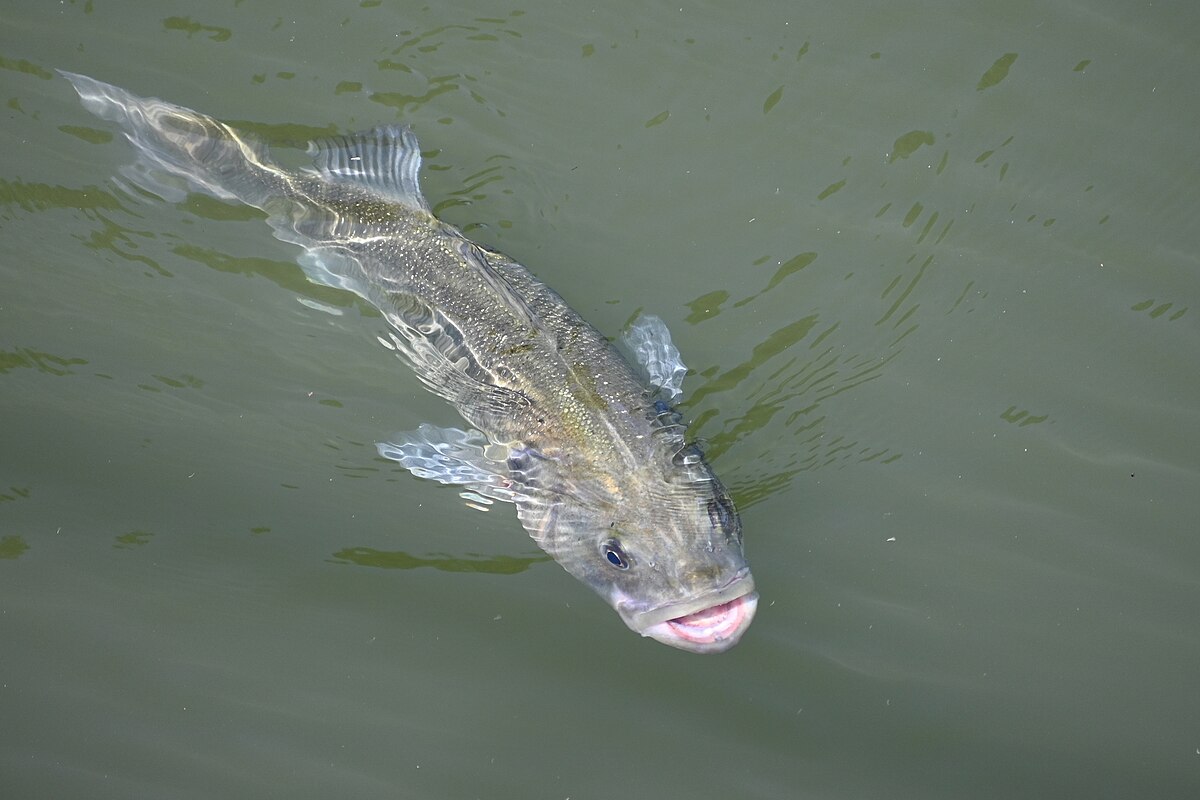
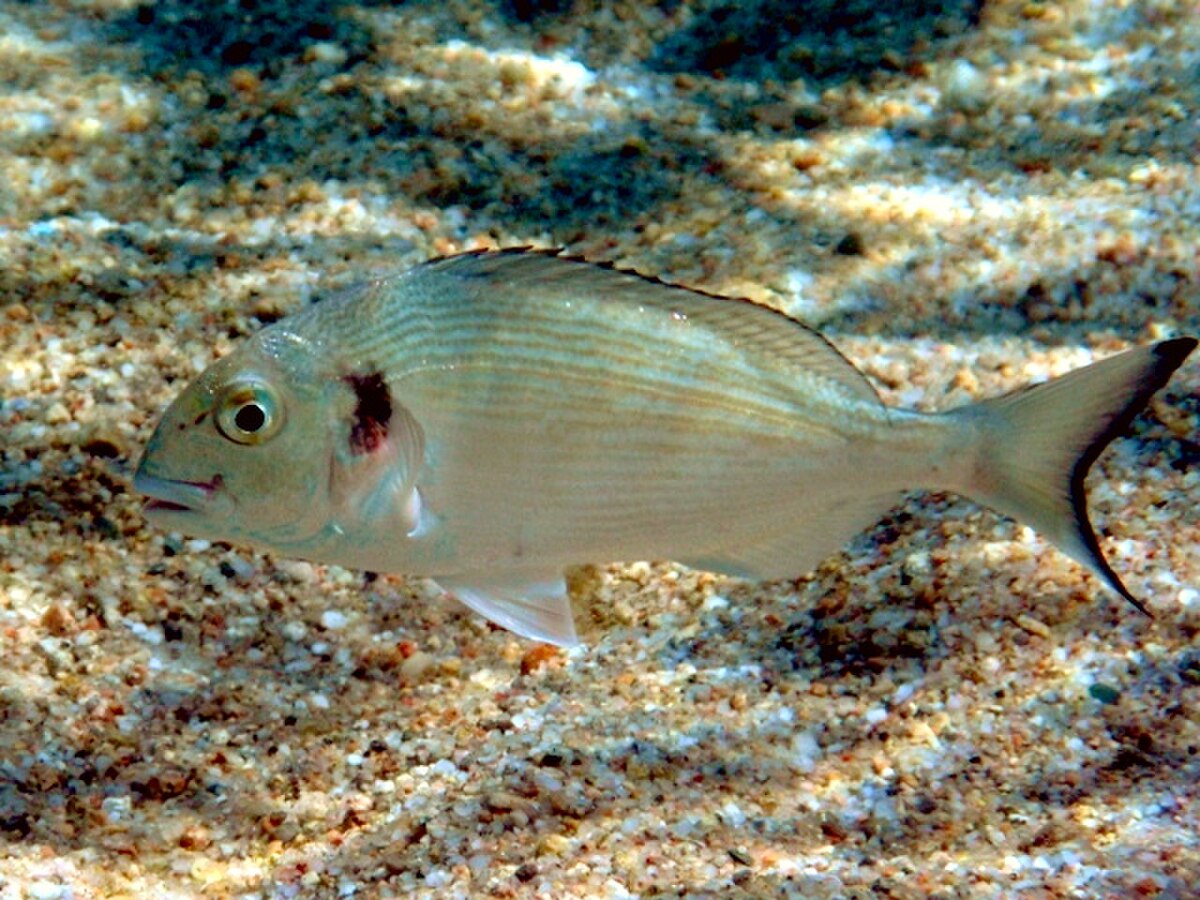
Loup de mer in English is Sea bass. It belongs to the Moronidae family; the names below show how the same fish is sold across international markets.
European sea bass is one of the great naming confusion fish — the same farmed species is called loup de mer in France, lubina in Spain, branzino in Italy, and robalo in Portugal and Brazil. It has delicate white flesh, few bones, and a clean mild flavor. Farmed extensively in the Mediterranean, it is most commonly cooked whole — roasted in salt crust, grilled over open flame, or baked with herbs.
| Country | Name | Notes |
|---|---|---|
| 🇺🇸United States | Sea bass | Often sold as branzino in the US, using the Italian name |
| 🇬🇧United Kingdom | Sea bass | |
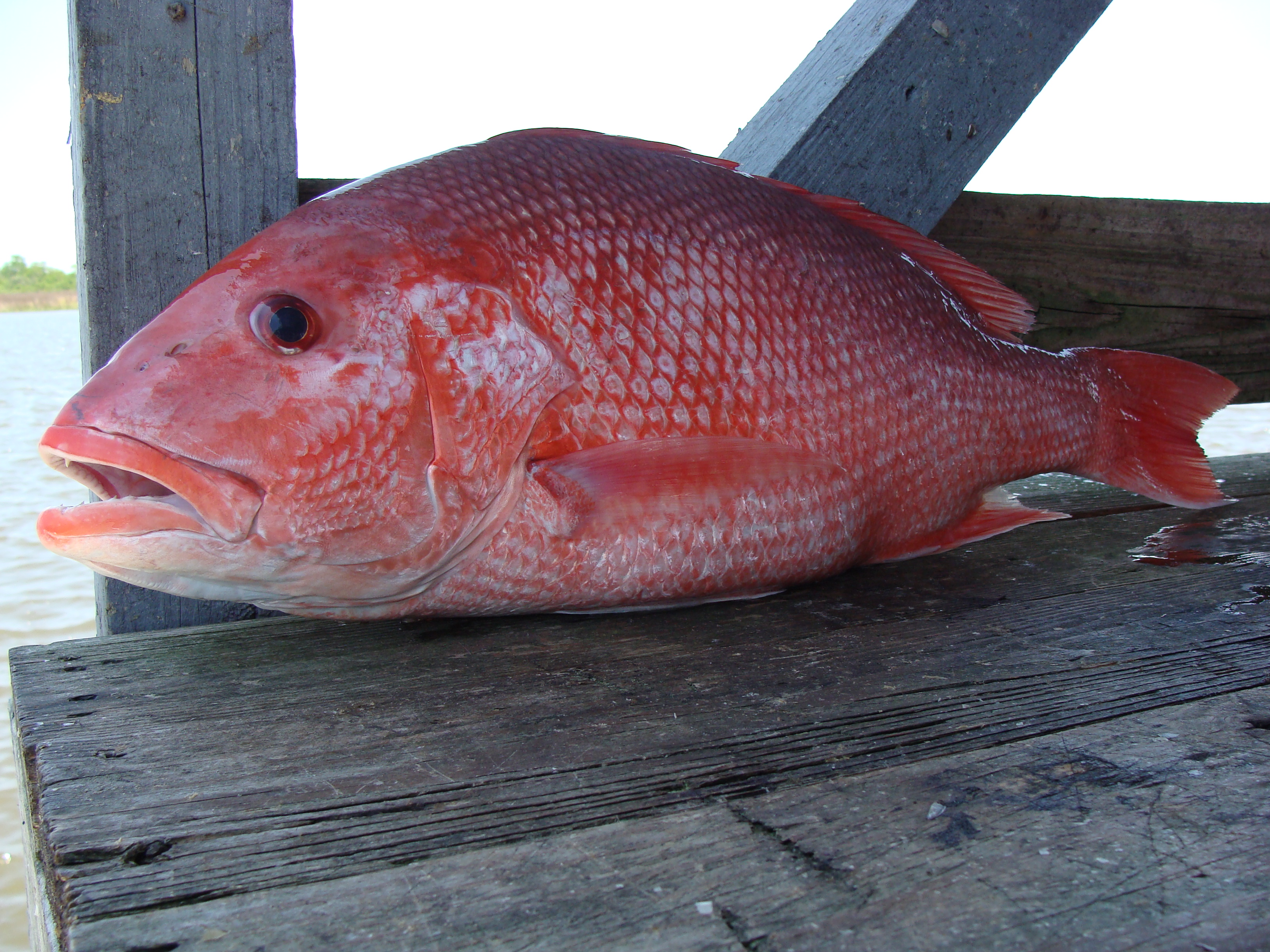
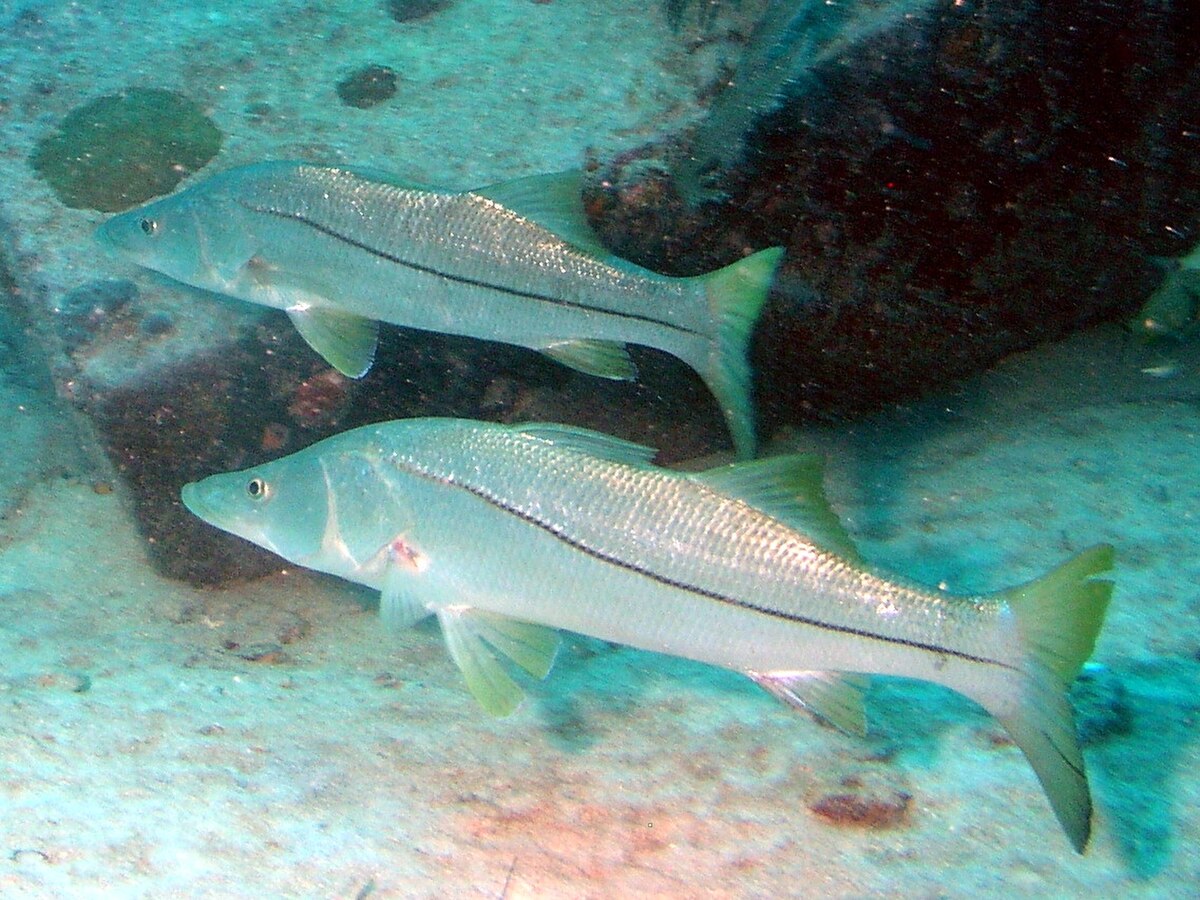
| 🇲🇽Mexico | Lubina | In Mexico robalo refers to snook, not European sea bass |
| 🇦🇷Argentina | Pejerrey de mar | |
| 🇫🇷France | Loup de merprimary | En croûte de sel (in a salt crust) is the classic French preparation |
| 🇪🇸Spain | Lubina | |
| 🇵🇹Portugal | Robalo | |
| 🇮🇹Italy | Branzino | Also called 'spigola' in southern Italy; whole-roasted or al sale (in salt crust). |
| 🇩🇪Germany | Wolfsbarsch | Sometimes sold under the French loanword 'Loup de mer' on restaurant menus. |
$ · searing fillets and whole small fish, plancha-style
Skin-on fillets, which need a hot, even surface to release cleanly.
Lodge 12-Inch Cast Iron Skillet
$$ · filleting, skinning, and trimming whole fish
Following the bones and contours of whole fish with a narrow, flexible blade.
Victorinox Fibrox 8-Inch Flexible Fillet Knife
Five questions: name the cut, place it on the animal, and say which country calls it that. A new board every day — no sign-up.
Play today’s puzzle