Amazon · The cut itself
Grumpy Butcher top sirloin steaks (6 pack)
A specific listing, not a search — check the weight and trim against the guide above before ordering.
Sirloin is known in English as Sirloin steak.
Grumpy Butcher top sirloin steaks (6 pack)
Affiliate link — we may earn a commission.

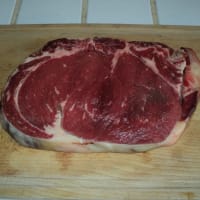
Kintaro, CC BY-SA 3.0, via Wikimedia Commons — Faux-filet.jpg
Sirloin comes from the rear back portion of the animal, between the short loin and the round. It is moderately tender with good flavor and slightly less marbling than the loin cuts. It is a versatile everyday steak that works well grilled, pan-seared, or broiled, and is often used for stir-fry and kebabs due to its balance of tenderness and affordability.
| Country | Name | Notes |
|---|---|---|
| 🇺🇸United States | Sirloin steak | |
| 🇲🇽Mexico | Sirloinprimary | English term widely used in Mexico |
| 🇦🇷Argentina | Cuadril | |
| 🇩🇪Germany | Hüfte |
Amazon · The cut itself
A specific listing, not a search — check the weight and trim against the guide above before ordering.
Select a primal to see its cuts
$$$ · picanha, steaks, skewers, and general charcoal grilling
High-heat grilling, simple indirect cooks, steak, picanha, and burgers.
Weber Original Kettle Premium 22-Inch Charcoal Grill
Every Thursday: one cut like Sirloin, its names around the world, the best substitute, one dish, and one useful tool.
Free. No password. Unsubscribe anytime.