Porter Road · The cut itself
Buy Vacío from a butcher who cuts it
Dry-aged and cut to order by a US butcher — this is the cut itself, not a search result.
Flank steak (vacío)
Vacío is known in English as Flank steak.

Unknown author, CC BY-SA 3.0, via Wikimedia Commons — Flank steak.jpg
Flank steak is a flat, broad muscle from the abdominal area with long, coarse muscle fibers and very little fat. It has an intense, beefy flavor but can be chewy if not properly prepared. It benefits from marinating and must be sliced thinly against the grain after cooking. Used widely in stir-fry, fajitas, and London broil.
| Country | Name | Notes |
|---|---|---|
| 🇺🇸United States | Flank steak | |
| 🇬🇧United Kingdom | Flank steak | |
| 🇦🇷Argentina | Vacíoprimary | One of the most beloved cuts in Argentine asado, typically grilled slowly over low heat |
| 🇫🇷France | Bavette de flanchet | |
| 🇪🇸Spain | Vacío | |
| 🇵🇹Portugal | Vazio | |
| 🇮🇹Italy | Pancia di manzo | The Argentine 'vacío' is the flank/lower-belly muscle; not a traditional Italian primal. |
| 🇩🇪Germany | Bauchlappen | Argentine 'vacío' is sold under this name when the cut is cured/grilled in German butcher shops. |
Porter Road · The cut itself
Dry-aged and cut to order by a US butcher — this is the cut itself, not a search result.
Flank steak (vacío)
Select a primal to see its cuts
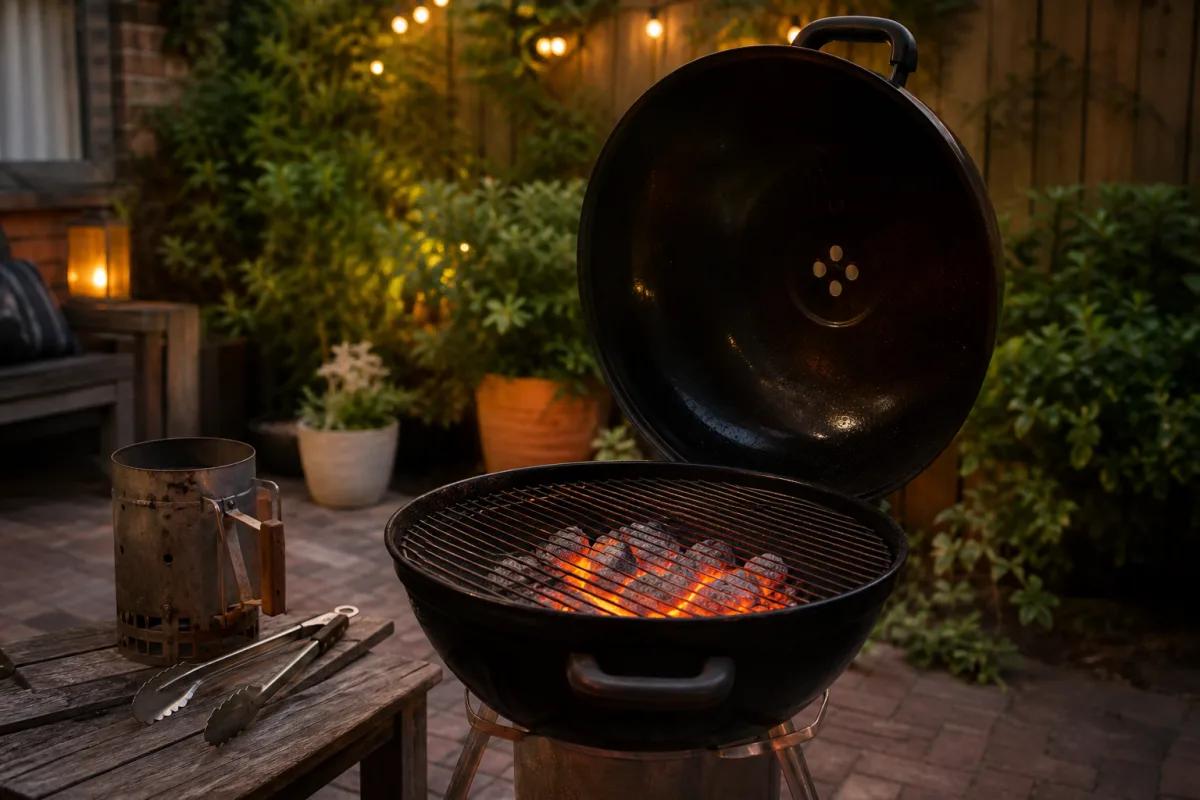
$$$ · picanha, steaks, skewers, and general charcoal grilling
High-heat grilling, simple indirect cooks, steak, picanha, and burgers.
Weber Original Kettle Premium 22-Inch Charcoal Grill
Every Thursday: one cut like Vacío, its names around the world, the best substitute, one dish, and one useful tool.
Free. No password. Unsubscribe anytime.