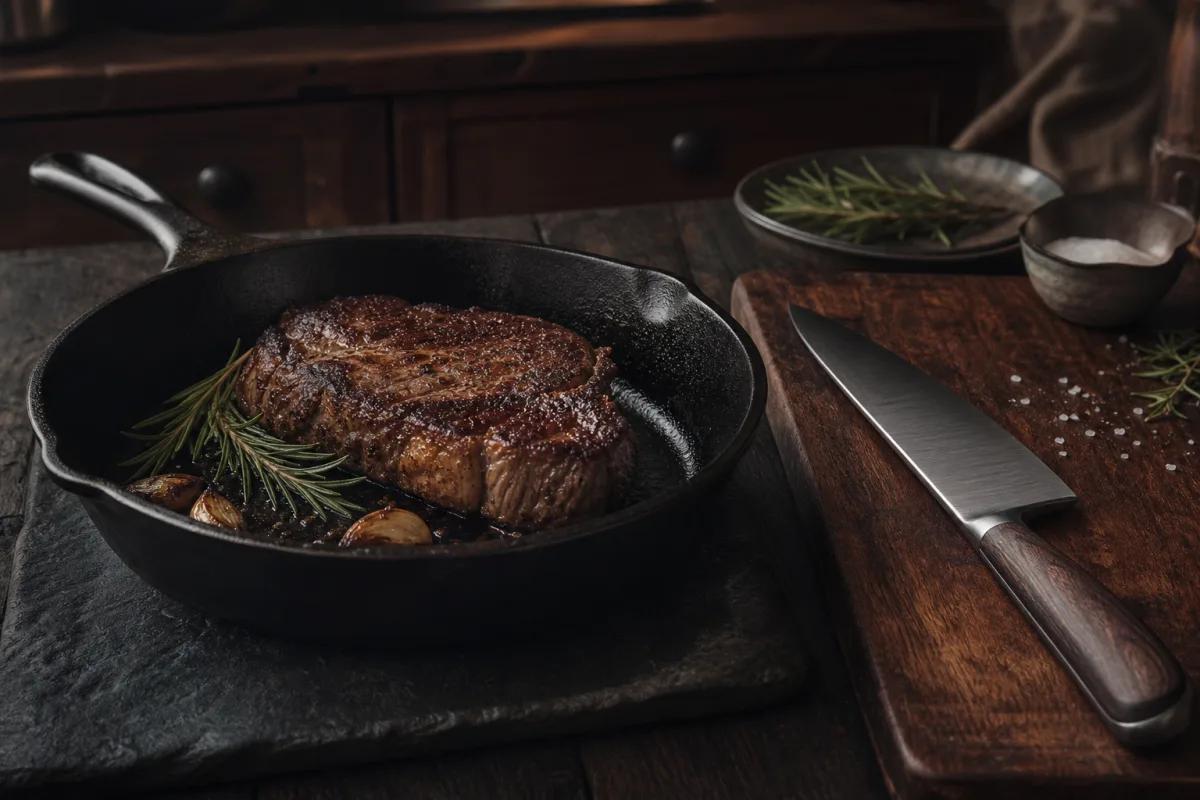
$$ · everyday prep, trimming, and carving
Slice against the grain cleanly every time
Slicing steak, trimming small amounts of fat, chopping aromatics, and general kitchen work.
Victorinox Fibrox Pro 8-Inch Chef's Knife

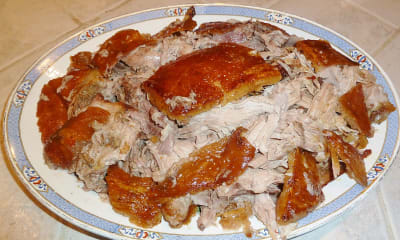
Beck from East Midlands, United Kingdon, CC BY 2.0, via Wikimedia Commons — BBQ_Gammon_Sliced_(4767063533).jpg
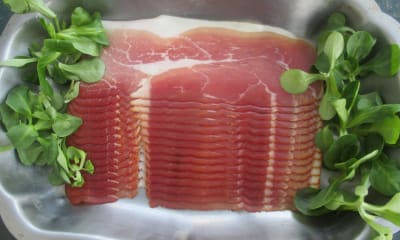
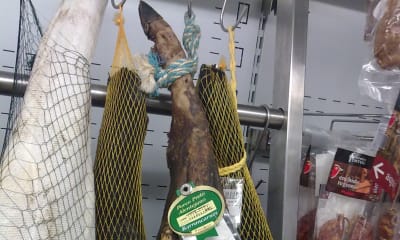
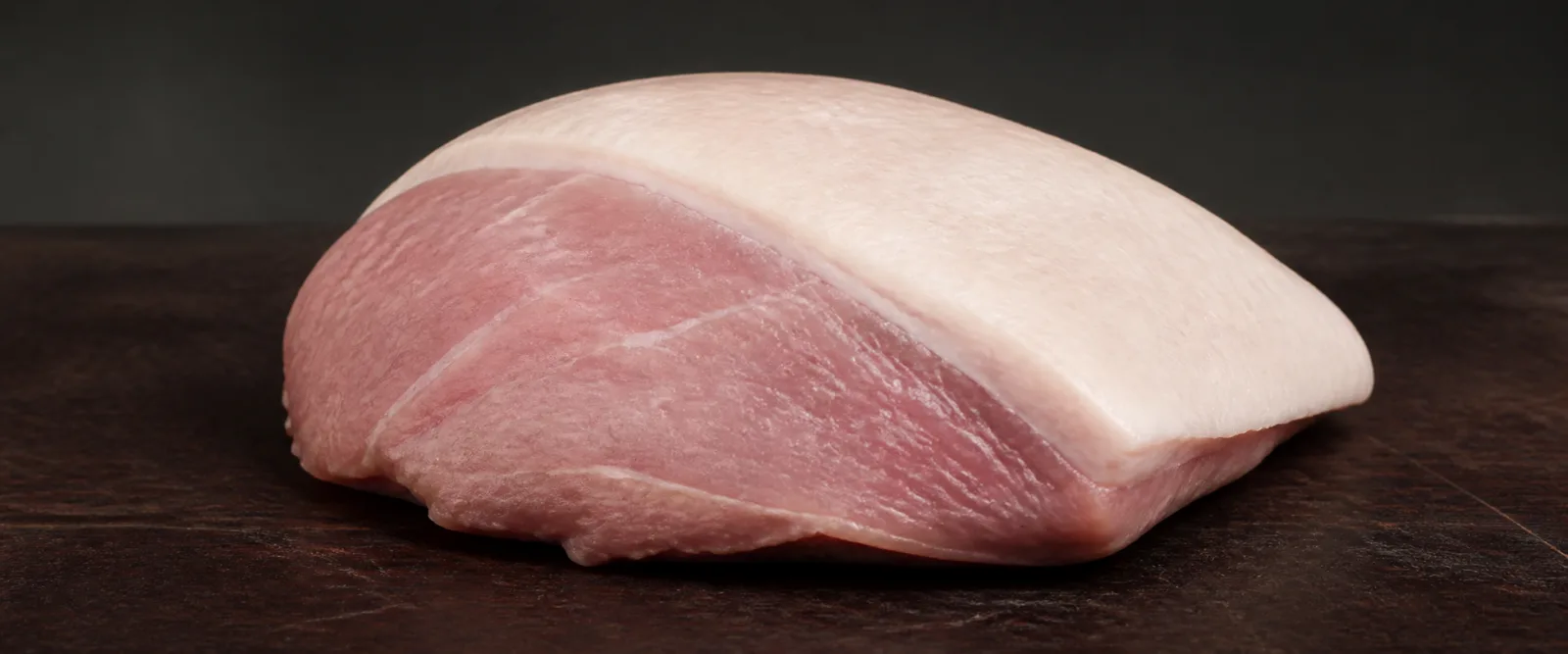
The British cured-leg-of-pork tradition — the rear leg of the pig is wet-cured (brined) or dry-cured, then sold raw to be cooked at home. Once boiled, baked, or glazed-and-roasted, it becomes "cooked ham." Uniquely British as a category: distinct from fresh leg of pork (uncured), from Italian prosciutto / Spanish jamón ibérico / French Bayonne / German Schwarzwälder (air-cured-and-aged hams eaten raw), and from American "ham" (which usually refers to the cooked product, not the raw cured joint). Available smoked or unsmoked, on the bone or boneless, as steaks or as whole joints. Christmas-dinner gammon — boiled then baked with a clove-and-mustard glaze — is one of the cornerstones of British festive cooking.
| Country | Name | Notes |
|---|---|---|
| 🇬🇧United Kingdom | Gammonprimary | Wet-cured or dry-cured raw leg of pork, sold to be cooked at home. Becomes "ham" once cooked. Distinct British category, not interchangeable with prosciutto or jamón ibérico. |
Select a primal to see its cuts
$$ · everyday prep, trimming, and carving
Slicing steak, trimming small amounts of fat, chopping aromatics, and general kitchen work.
Victorinox Fibrox Pro 8-Inch Chef's Knife
Every Thursday: one cut like Gammon, its names around the world, the best substitute, one dish, and one useful tool.
Free. No password. Unsubscribe anytime.