Amazon · The cut itself
Grumpy Butcher strip steaks
A specific listing, not a search — check the weight and trim against the guide above before ordering.

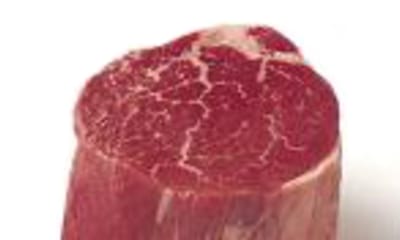
Maggie Osterberg, CC BY-SA 2.5, via Wikimedia Commons — Strip-steak-MCB-MaggieO.jpg
The strip steak comes from the short loin after the tenderloin has been removed. It has a firm texture with a moderate fat cap and good marbling, delivering a bold, beefy flavor. It is more chew than a ribeye but more flavorful than a tenderloin, making it a popular everyday steakhouse cut. Best grilled or pan-seared over high heat.
| Country | Name | Notes |
|---|---|---|
| 🇺🇸United States | New York stripprimary | Also called strip steak or Kansas City strip |
| 🇬🇧United Kingdom | Sirloin steak | Confusingly, what Americans call sirloin the British call rump, and what Americans call strip the British call sirloin |
| 🇲🇽Mexico | New York | The American term is widely used in Mexico |
| 🇦🇷Argentina | Bife angosto | |
| 🇫🇷France | Faux-filet / Contre-filet | Two French names for the same strip-loin cut. "Faux-filet" — the colloquial bistro term, literally 'false filet' for being the second-most tender muscle after the actual filet (tenderloin); usually refers to individual steaks. "Contre-filet" — the formal butcher's term, literally 'against the filet' for sitting next to the tenderloin on the carcass; often refers to the whole strip-loin roast. In everyday French use the two are largely interchangeable. |
| 🇪🇸Spain | Lomo bajo | The striploin; lomo alto is the rib end. |
| 🇵🇹Portugal | Vazia | Strip loin in Portuguese butchery; covers the last 7 ribs with a protective fat layer. Classic for the *rosbife* preparation. |
| 🇧🇷Brazil | Contrafilé | |
| 🇮🇹Italy | Controfiletto | |
| 🇩🇪Germany | Roastbeef | German 'Roastbeef' refers specifically to the strip loin, not a roasting preparation. |
Amazon · The cut itself
A specific listing, not a search — check the weight and trim against the guide above before ordering.
Select a primal to see its cuts
$ · indoor steak searing and plancha-style cooking
Hard sears when a grill is unavailable or inconvenient.
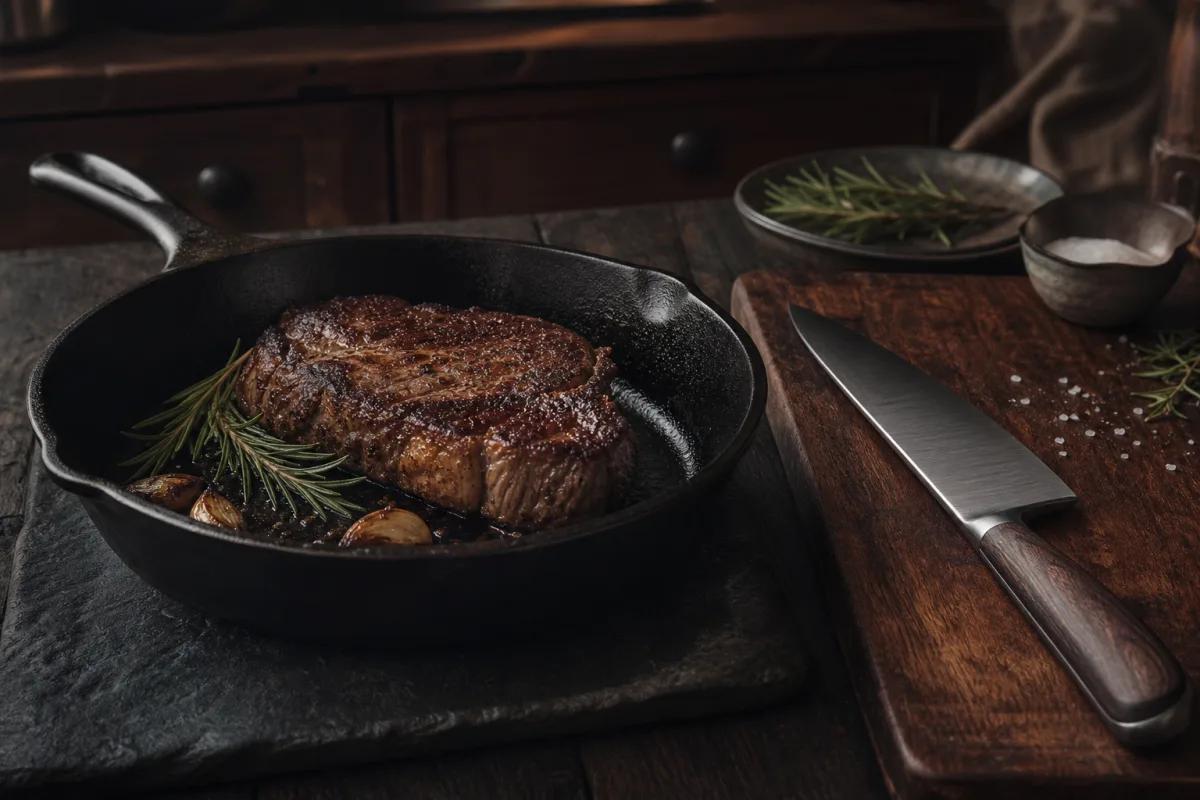
Lodge 12-Inch Cast Iron Skillet
Every Thursday: one cut like New York strip, its names around the world, the best substitute, one dish, and one useful tool.
Free. No password. Unsubscribe anytime.