Amazon · The cut itself
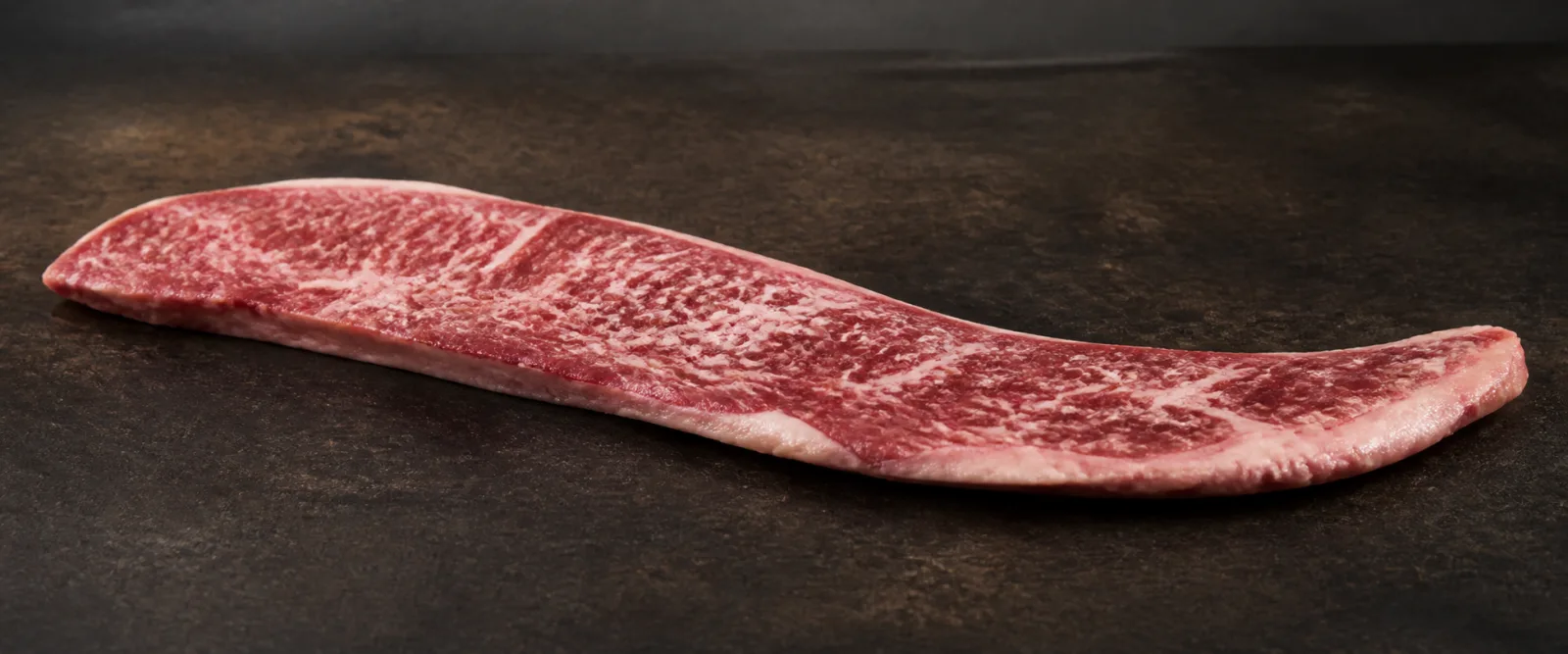
Grumpy Butcher ribeye steaks (4 pack)
A specific listing, not a search — check the weight and trim against the guide above before ordering.

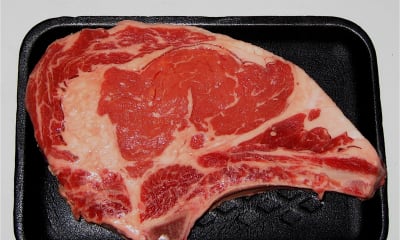
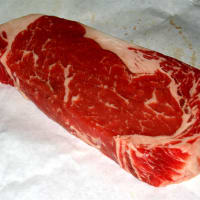
Maggie Osterberg, CC BY-SA 2.5, via Wikimedia Commons — Ribeye-MCB-MaggieO.jpg
Cut from ribs 6 through 12, the ribeye is renowned for its exceptional marbling and tenderness. The intramuscular fat melts during cooking, basting the meat from within and producing a rich, buttery flavor. It is best cooked over high dry heat — grilled, pan-seared, or broiled — to medium-rare.
| Country | Name | Notes |
|---|---|---|
| 🇺🇸United States | Ribeyeprimary | |
| 🇬🇧United Kingdom | Scotch fillet | |
| 🇲🇽Mexico | Ribeye | The English term is widely used in Mexico |
| 🇦🇷Argentina | Ojo de bife | A cornerstone of Argentine asado culture |
| 🇫🇷France | Entrecôte | |
| 🇪🇸Spain | Entrecot | |
| 🇧🇷Brazil | Entrecôte | |
| 🇮🇹Italy | Entrecôte | Boneless ribeye is sold under the French loanword in Italy; bone-in is 'costata'. |
| 🇩🇪Germany | Rib-Eye | Loanword used at retail; 'Hochrippe' refers to the whole bone-in rib roast. |
Amazon · The cut itself
A specific listing, not a search — check the weight and trim against the guide above before ordering.
Select a primal to see its cuts
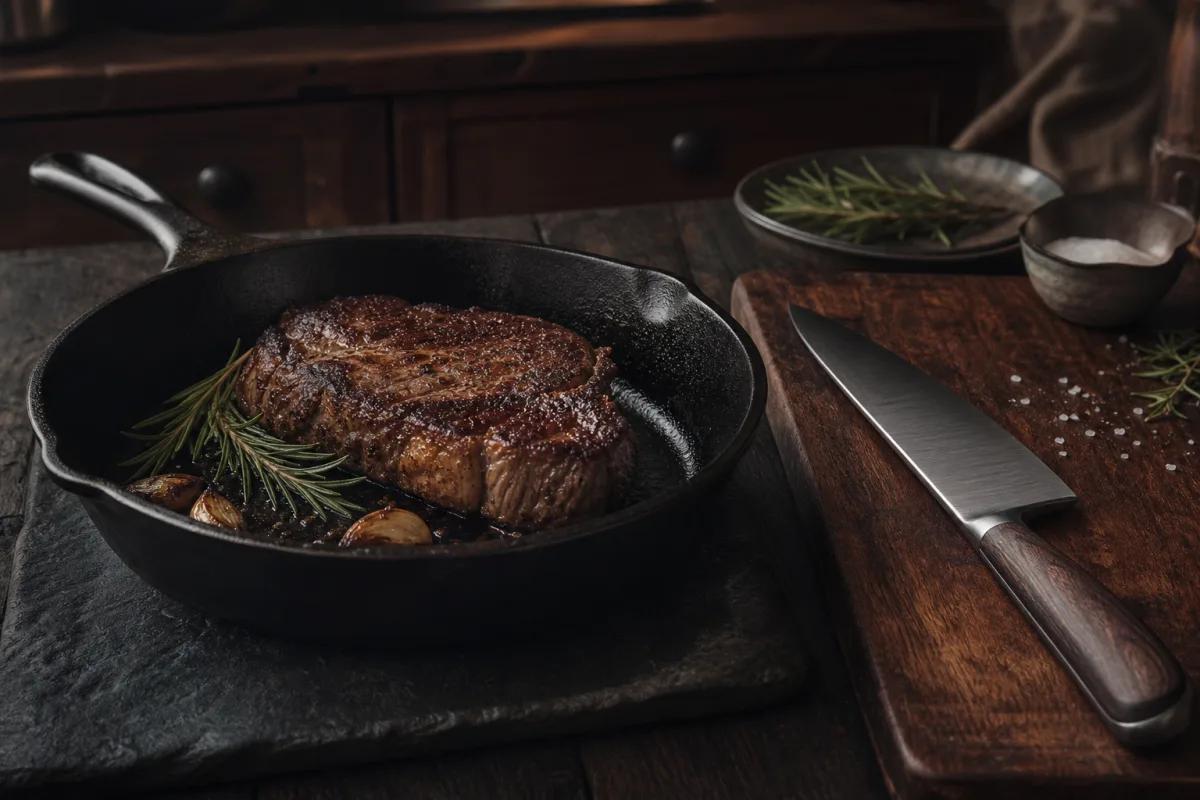
$ · indoor steak searing and plancha-style cooking
Hard sears when a grill is unavailable or inconvenient.
Lodge 12-Inch Cast Iron Skillet
Every Thursday: one cut like Ribeye, its names around the world, the best substitute, one dish, and one useful tool.
Free. No password. Unsubscribe anytime.