$49.99 · Ships free in the US · Grill Masters Club
Season it the way a norteño asador would
- Fiesta That Mexican seasoning
- Carnitas grill & wing squeeze
- Citrus pucker pepper rub
- Six-recipe booklet and pinch mitts
Flavor Fiesta BBQ Box
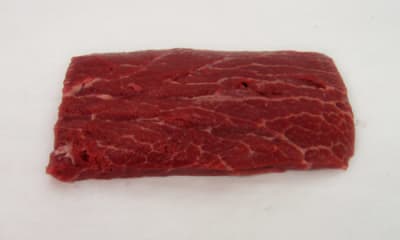
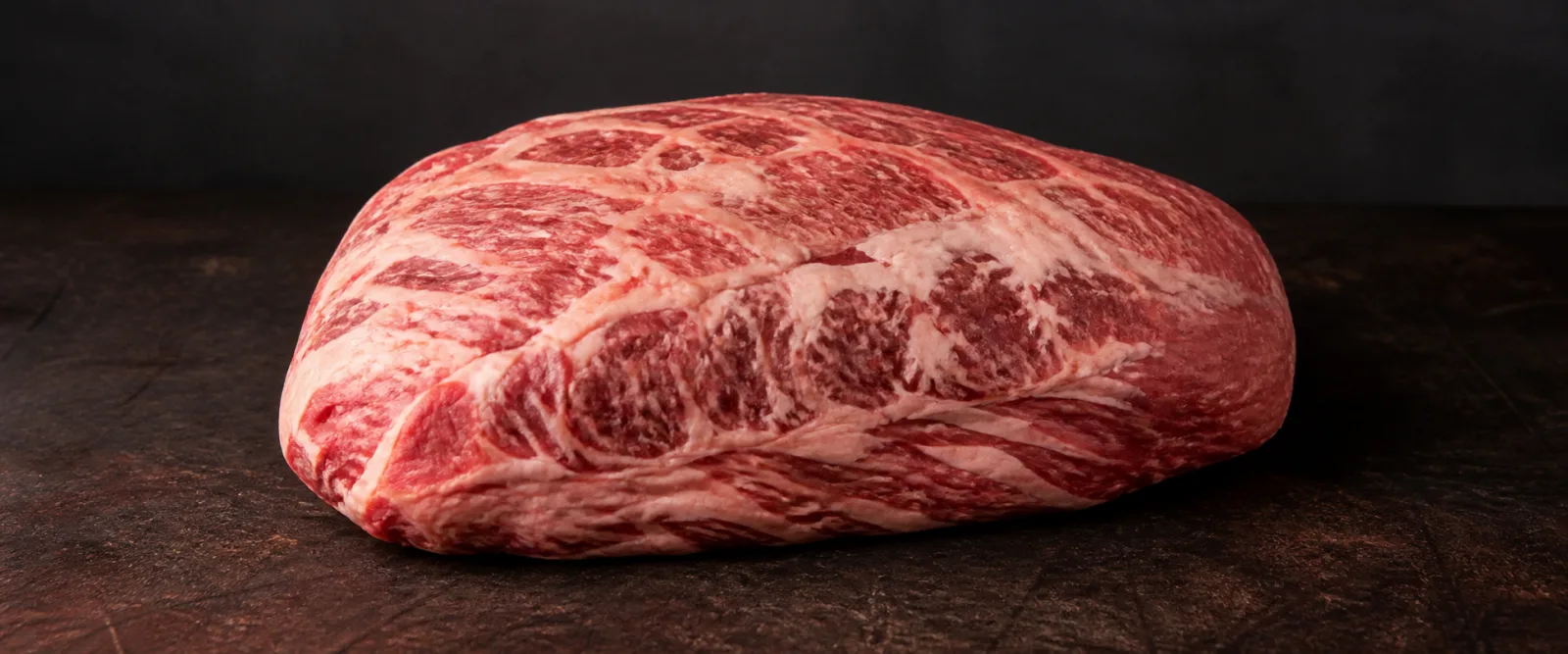
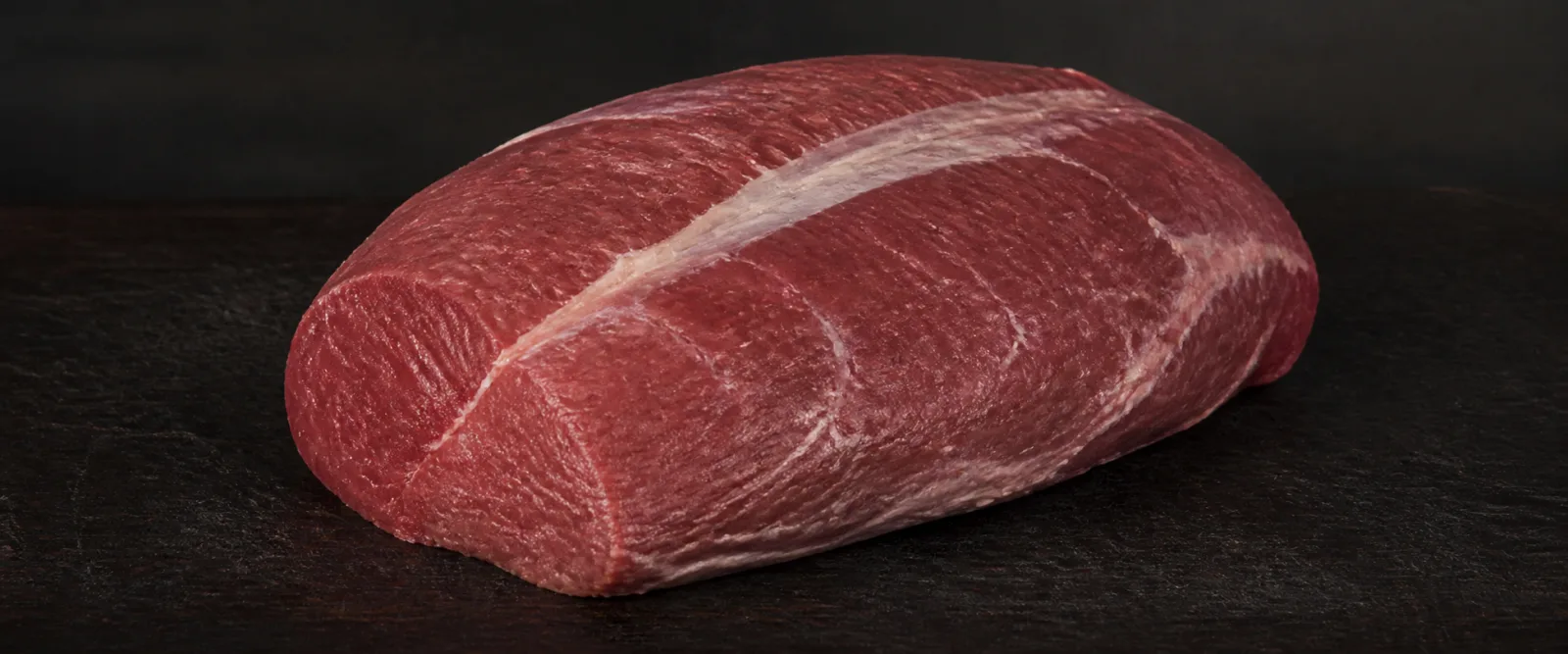
Aguja norteña is known in English as Chuck eye steak.

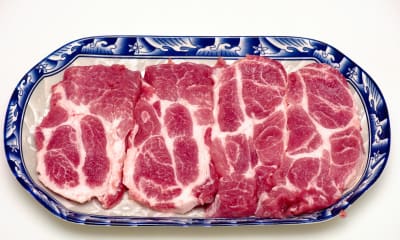
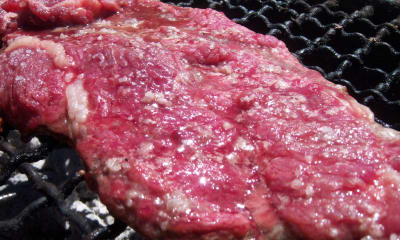
A bone-in chuck eye steak cut thin for grilling, prized in northern Mexico — particularly Monterrey. It comes from the chuck eye roll, the ribeye muscle as it extends into the chuck primal, giving it more marbling than a standard chuck steak. Traditionally cooked hot and fast over direct heat and served well-done.
| Country | Name | Notes |
|---|---|---|
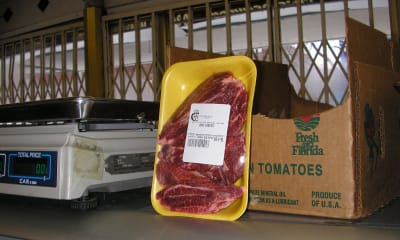
| 🇺🇸United States | Chuck eye steak | Sold bone-in in US Hispanic markets as agujas or bone-in chuck eye steak |
| 🇬🇧United Kingdom | Chuck eye steak | |
| 🇲🇽Mexico | Aguja norteñaprimary | Defining cut of northern Mexican (Monterrey) grilling culture; also called flecha informally |
| 🇦🇷Argentina | Aguja | Same anatomical zone but used as a braising/stewing cut in Argentina rather than a thin grill steak |
| 🇫🇷France | Basses côtes | Primal-level equivalent; the specific sub-cut is the noix de basse côte (chuck eye) |
| 🇪🇸Spain | Aguja | Spanish butchery uses aguja for the chuck zone; typically braised rather than grilled |
| 🇵🇹Portugal | Acém | Also historically spelled agulha in older Portuguese nomenclature |
| 🇧🇷Brazil | Acém | Brazilian chuck equivalent; the specific sub-cut is sometimes called acém comprido (chuck eye) |
| 🇮🇹Italy | Reale | The chuck eye in Italian butchery — extension of the entrecôte muscle into the shoulder. |
| 🇩🇪Germany | Hochrippenkern | Sometimes called 'Falsches Filet' — the eye of the chuck where the rib-eye muscle ends. |
$49.99 · Ships free in the US · Grill Masters Club
Flavor Fiesta BBQ Box
Affiliate link — CarneAtlas may earn a commission at no extra cost to you. Price checked 31 Aug 2026.
Select a primal to see its cuts
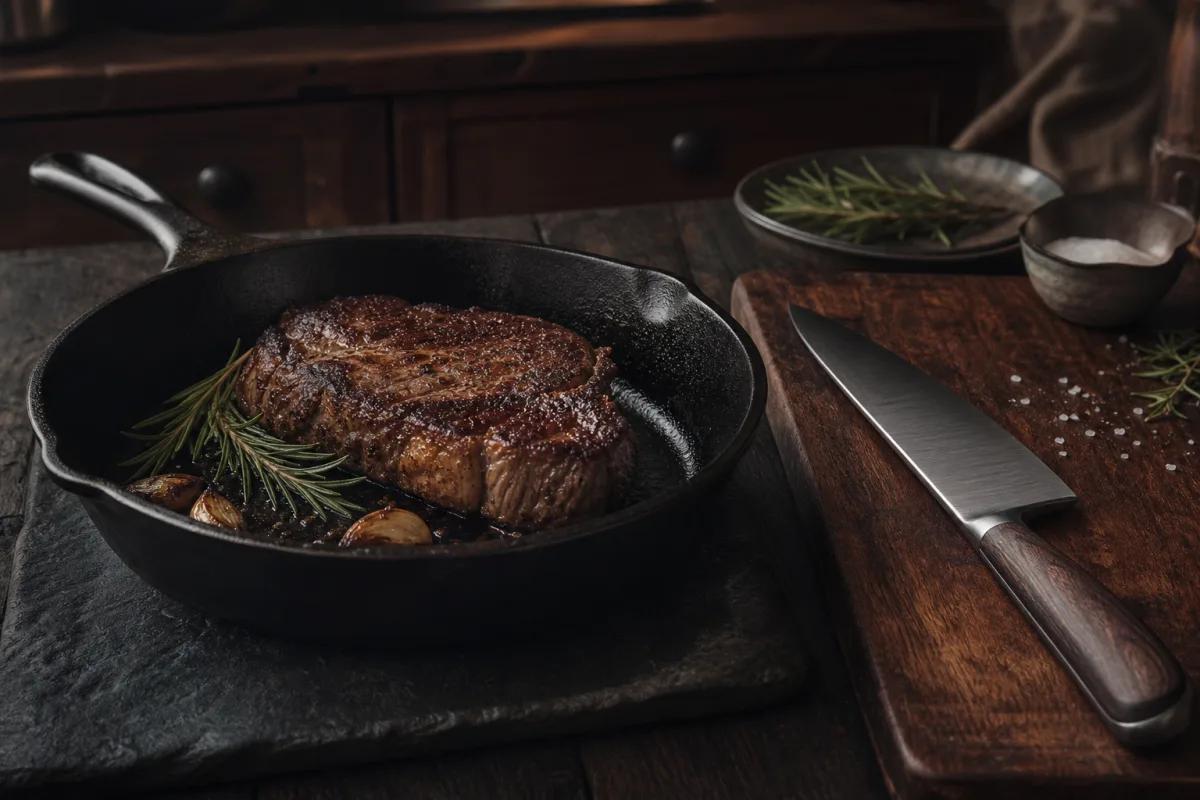
$ · indoor steak searing and plancha-style cooking
Hard sears when a grill is unavailable or inconvenient.
Lodge 12-Inch Cast Iron Skillet
Every Thursday: one cut like Aguja norteña, its names around the world, the best substitute, one dish, and one useful tool.
Free. No password. Unsubscribe anytime.